
Friend’s, first of all, I welcome you all to read this article. Now let your friend Nikhil claim with 100% confidence, responsibility, reliability and authenticity that the information which you will find in this article cannot be DISTINCTLY found in any Astrological text written till date in last 1000’s of years. Further this concept has more importance than all other 100’s concepts of Astrology which you must have read till date. In short, this article has the power of changing the entire course of predictive Vedic Astrology.
I know, you all may say that come on Nikhil, how can you make such a tall claim or are you trying to undermine the authenticity and authority of so many ancient sacred astrological texts which have been written till date ?
So friends, as you know about your friend Nikhil, I always consider myself merely AN ANT in front of those great ancient exponents of Astrology, so I have not tried to discover anything new, indeed I only interpreted the sacred words of those Ancient Great Rishi’s which have got UNNOTICED in the span of 1000’s of years. Our Ancient Vedic Astrologers or Great Maharishi’s had already written all possible concepts but have we noticed and understood everything which they tried to highlight or communicate? The answer is simply NO. Therefore in this article, I will only try to bring your precious attention to the sacred words of our Ancient seers and what exactly they tried to teach us, about which even the Great Astrologers of Modern times, are not aware off.
Your friend Nikhil wants this most powerful knowledge to reach millions of people. So friends, in case you want to witness the alteration process of modern predictive Astrology, this article is for you.
I am sure that anyone who has even the slight interest in Astrology will get delighted as well as astonished while reading this article.
So let’s start with a Phenomenon and a Revolution in the field of Vedic Astrology.
You all must have heard about the Concept of Sign Exaltation (Uchh Rashi), i.e. Saturn gets exalted in the Sign of Libra, Sun in the sign of Aries, Venus in Pieces, Mars in Capricorn, Moon in Taurus, Jupiter in Cancer, Mercury in Virgo, Rahu in Taurus and Ketu in Scorpio.
BUT have you heard about the concept of HOUSE/CUSP EXALTATION (BHAVA UCHH) i.e.
In which house does each planet get exalted or give its best result?
Yes I know, some of you will start saying that yes Nikhil ji, we know that Malefics gives good results in Upachaya Sthans i.e. 3rd, 6th, 10th and 11th houses/cusp, We know that Benefics gives good results in Quadrants and Trines etc but friends I am not talking about such concepts.
I am asking that whether there is any bhava or house/cusp in which actually a particular planet feels excellent or get exalted or give its best result?
Now some of you may wonder that Nikhil, the best result of any planet depends on so many factors, so how can a planet give its best results in a particular house?
Yes you are right that result of any planet is dependent on 10’s of factors but then that is true even for the concept of sign exaltation i.e. even an exalted planet, if placed in a bad house/cusp, significantly afflicted by malefics, combusted, defeated in a planetary war, weak in divisional charts etc will give bad results, right! BUT still there exist a concept of Sign Exaltation.
So basically, if all the factors are favorable for a planet (on the basis of 10’s of concepts), then in which house/cusp will that planet will give its best results?
Have you thought in such a fashion? If not then Think now! Anyways relax dear, even if you will not think, your friend Nikhil have revealed all that findings in this article. After all, I don’t want you to put stress on your mind, so just keep reading.
A planet’s energy can be brilliant by nature (exaltation, own sign, friendly sign + 10’s of other factors which needs to be taken into account), but if it sits in a house/cusp where its results cannot meaningfully reach the native’s life, its brilliance remains latent. Eg: Jupiter exalted in Cancer but in the 6th house/cusp may give scriptural knowledge (Assuming 10’s of other factors as favorable) but largely tied up with litigation, enemies, or disease-related contexts of the 6th house/cusp.
On the contrary, A planet in a “best house/cusp” (bhava-uccha) but only in a friendly sign can give massive or very significant positive results. Whereas an exalted planet (Assuming 10’s of other factors as favorable) in the wrong house/cusp is like a king locked in a prison: very powerful, but still unable to function.
Please remember that during the dasha of any planet, the planet activates its house/cusp first, then its sign qualities.
That’s why even without exaltation, a planet in its “bhava-uccha” or house/cusp exaltation delivers more than 50% of the results ALONE, in a dominant, undeniable way.
If the planet is free from strong affliction (malefic aspects, bad conjunction, planetary war, combustion, weak in divisional charts etc), then simply being in the best or even good house/cusp is enough to act like a functional powerhouse
So basically, sign exaltation along with several other factors like shad bal etc, tells how high the planet’s potential ceiling is but house/cusp exaltation (Bhava-uccha) tells how much of that potential is actually delivered in life.
In practical prediction, house/cusp placement simply dominates, it decides whether the planet acts as a boon-giver or dormant witness.
Exaltation in a sign is about the planet’s inherent tattva (nature) finding its highest expression and that too only when 10’s of other shad bal and non-shad bal factors compliments. For example Jupiter in Cancer gives compassion, nourishment, and wisdom in their most exalted form, assuming 10’s of other factors like shad bala, avasthās, yogas, etc are favorable. But house/cusp exaltation (Bhava Uccha) is a Function-based dignity i.e. planet’s role in a horoscope and where it can best deliver its fruits.
Sign exaltation if complimented by other factors is a person’s intrinsic talent (like a singer’s voice at its purest) but Bhava Uccha is the stage or setting where that talent is best expressed (like performing in an opera hall designed for acoustics).
Both matter, but they operate on different layers.
If we are judging the intrinsic power of the planet, sign exaltation is important along with all the 10’s of shad bal and non shad bal factors but if we are judging the manifestation of results in life, house/cusp occupation is more visible and decisive. Many charts which have exalted planets do not produce their results in full glory because they are misplaced by house/cusp or afflicted whereas planets in their “bhava uccha” positions often visibly shine, even without the significant support of a sign and even after some manageable afflictions.
So let’s understand that which are those bhavas or houses/cusp where a planet feels or gets exalted.
Now to derive this, I will be considering Shlokas from 3 most respected, authentic and reliable ancient Astrological texts i.e. Saravali, Jataka Parijata and Phaladipika + their English translations + if present, then positive Superlatives (the form of an adjective or adverb that expresses its highest degree or which signify supreme or best results) used in those shlokas to understand the actual sense of the shlokas + supplementary references from texts like BPHS, Maansagri, Chamatkar Chintamani, Jataka Tatva, Hora Sara, Bhirgu Sutram, Brihat Jataka etc (When multiple classics single out the same bhava as highly auspicious for a planet, that elevates it from “just good” to “the best”). Here, please note that if a shloka uses terms like सुखी (happy), भाग्यवान् (fortunate), मित्रवान् (friendly) , पुत्रवान् (having a son), साहसी (adventurous), धनवान् (wealthy), कुशलः (skillful). I will still NOT consider them as Superlatives, as such adjectives are not of the highest order, basically cannot be considered as something extraordinary.
I will check contrast inside the same chapter, if the same author assigns mixed/negative effects to other houses but only positive superlative wording to one bhava/house/cusp, that bhava/house/cusp is implicitly pre-eminent. I will prefer verses that are categorical / unconditional (no heavy caveats). Those are the best candidates for “bhava uchha” or “House/cusp exaltation” status.
So the structured way would be like exact complete shloka from the texts followed by English translation followed by superlatives used and then the final synthesis.
Basically, even though no text uses the exact term “bhava uchha” or “house/cusp exaltation”, the way their verses are phrased suggests that certain placements are qualitatively superior to all other bhavas/houses/cusp, considering all other 10’s of factors as favorable. So, by comparing both the language of the verse and the contrast with other house/cusp results, we can infer that the tradition implicitly recognized a particular placement as the “best placement.”
Before moving ahead, let me mention why your friend Nikhil selected Saravali, Jataka Parijata and Phaladipika only, for that you all need to know a little about these 3 most authentic and ancient texts.
Saravali (सारावली)
Author: Kalyaṇ varma (कल्याणवर्मा) [6th–7th century CE]
Kalyaṇavarma was a king and a scholar. His Saravali is one of the oldest and most systematic compendiums of predictive astrology (hora-sastra). It is regarded as highly authentic because it summarizes and harmonizes earlier sages’ teachings (Parasara, Garga, Yavana, etc.) into a clear, structured form. It sets the template of graha-phala by rashi (Sign) & bhava (house) which was later adopted by many texts.
Yogas like Rajayoga, Arishta yogas, Dhana yogas etc FIRST appear clearly here in a structured way.
- Camatkara Chintamaṇi (10th–11th c.) borrows graha-bhava results from Saravali
- Tajika Nilakaṇṭhi (16th c., on Horary but also nativities) borrows Saravali’s predictive tone.
- Even Jataka Parijata lifts numerous Shlokas directly from Saravali
It gave the “grammar” of horoscopy, standardizing bhava results and planetary conduct.
Jataka Parijata (जातक पारिजात)
Author: Vaidyanatha Dikṣita (वैद्यनाथ दीक्षित) [14th century CE]. He was a south Indian Brahmin scholar from Andhra or Tamil region. His Jataka Parijata is an encyclopedic text that carefully collates earlier works like Bṛihat Jataka, Saravali, Phaladipika, Jaimini sutras, BPHS, Garga Samhita etc. Because of its breadth and clarity, it became one of the most quoted medieval texts in Indian Jyotiṣh tradition, a reference-book for North Indian astrologers that preserved fragments from lost works.
It’s cited extensively in:
- Manasagari (16th c.), especially for yoga classifications.
- Jataka Tattva (17th c.), where most yoga definitions echo Jataka Parijata.
- Uttara Kalamṛita (Kalidasa, late medieval) cites it for bhava-phala.
- Even modern “Nadi” styled writers lift its graha-bhava results word-for-word.
Phaladipika (फलदीपिका)
Author: Mantreshvara (मन्त्रेश्वर), A South Indian Jyotiṣh scholar [15th century CE], His work reflects influence from Bṛihat Jataka (Varahamihira), Saravali (Kalyaṇ varma), and Jataka Parijata
Phaladipika literally means “Lamp of Fruits (Results)” — a text devoted to predictive results of planets, bhavas, yogas, aspects.
It is one of the clearest and most concise manuals in horoscopy, which is why it became extremely popular with practicing astrologers.
Kerala and South Indian tradition relied heavily on it (hence many Malayalam/Tamil commentaries).
- Jataka Sara Sangraha and Laghu Jataka cites it.
- Manasagari (contemporary/just after) mirrors its bhava-results closely.
- Chamatkar Chintamaṇi (later) borrowed many of its predictive rules.
- Modern authors like B.V. Raman gave it prominence.
It shaped the practical predictive school: short, crisp, and reliable— the astrologer’s pocket-book.
Over centuries, Phaladipika saw many interpolations — especially in the 18th–19th centuries.
The most reliable “core” editions of Mantreshvara’s Phaladipika’s are:
- Prof. J.L. Sharma edition (1986) – carefully edited, considered closer to original.
- Dr. B.V. Raman’s English translation (20th c.) – based on older South Indian manuscripts
Mantreshvara’s Phaladipika explained by Jagdish Lal Sharma and B. V. Raman explicitly tried to strip back to the authentic Mantreshvara core, avoiding interpolations. So the aim is to work with authentic, older layers of Jyotiṣh literature, stripping away late contradictions and aligning with the most consistent, original core of the Mantreshvara’s Phaladipika.
This basic introduction about Saravali, Jataka Parijata and Phaladipika was absolutely essential so that you all are able to comprehend the relevance and importance of these three texts.
Basically, all later predictive classics (Manasagari, Jataka Tattva, Chamatkar Chintamaṇi, and Uttara Kalamṛita) either borrow directly or stand on the shoulders of these three texts (i.e. Saravali, Jataka Parijata and Phaladipika). These three texts together give a balanced triangulation of planetary results — which is why your friend Nikhil used them for our bhava-uchh or house/cusp exaltation synthesis.
So let’s start with the main process, get ready and fasten your seat belts.
Jupiter results in all the houses/bhavas/cusps
Jupiter in 1st House/Cusp (Lagan Bhava)-Effects, Results, Meaning
Sarāvalī (Ch. 15, Śloka 1)
गुरुः लग्ने भवेद् धर्मवान् शीलवान् सदा ।
धन्यः सुखी कुलश्रेष्ठो दीर्घायुर्विद्यावान् नरः ॥
Translation:
If Jupiter occupies Lagan or 1st house, the native is always endowed with righteousness and virtuousness blessed or the one with divine grace + fortunate + praiseworthy + noble, happy, the best in his entire lineage, long-lived, and endowed with learning.
Positive Superlatives: धर्मवान् शीलवान् सदा (always endowed with righteousness and virtuousness), कुलश्रेष्ठ (the best in his entire lineage), विद्यावान् (endowed with learning), धन्यः (blessed or the one with divine grace + fortunate + praiseworthy + noble), दीर्घायु (long-lived).
Jātaka Pārijāta (Ch. 2, Śloka 42)
लग्ने बृहस्पतिः स्थाने धर्मशीलसमन्वितः ।
ज्ञानी दीर्घायुरायुष्यः सुखी कीर्तिविवृद्धिमान्
Translation:
Jupiter in the Ascendant or 1st house makes one righteous by nature, knowledgeable, long-lived, happy and with an ever-increasing in fame.
Positive Superlatives: ज्ञानी (knowledgeable), कीर्तिविवृद्धिमान् (ever-growing in fame), धर्मशील (righteous by nature), दीर्घायु (long-lived)
Phaladīpikā (Ch. 6, Śloka 1 – Sharma/Raman)
लग्ने बृहस्पतिः प्राज्ञो धर्मज्ञो दीर्घजीविनः ।
सुखी कुलीनो धन्यश्च कीर्तिमान् सदा भवेत् ॥
Translation:
Jupiter present in Lagan or 1st house, the person is intelligent, wise in righteousness, long-lived, happy, noble, blessed + fortunate + praiseworthy and always renowned.
Positive Superlatives: प्राज्ञ (intelligent), धन्यः (blessed or the one with divine grace + fortunate + praiseworthy + noble), सदा कीर्तिमान् (always famous), दीर्घजीविनः (Long lived), धर्मज्ञो (wise in righteousness)
Jupiter in 2nd House/Cusp/Bhava-Effects, Results, Meaning
Sarāvalī (Ch. 15, Śloka 2)
द्वितीये धनवान्भोगी सुखी कुलसमन्वितः ।
गुरुणा वक्त्रवान्विद्वान्प्रियवादी च जायते II
Translation:
When Jupiter is present in the 2nd house, the person is wealthy, enjoys pleasures, happy, from a noble family, excellent orator, a scholar, learned, and speaks sweetly.
Positive Superlatives: वक्त्रवान् (excellent orator and a scholar), विद्वान् (endowed with learning).
Jātaka Pārijāta (Ch. 2, Śloka 43)
धनस्थो यदि गुरुर्योगी विद्वान्धनवान्सुखी ।
प्रियवादी कुलश्रेष्ठो दीर्घायुः समलङ्कृतः ॥
Translation:
If Jupiter is in the 2nd house, one is a yogī, endowed with learning, wealthy, happy, sweet in speech, the best in his entire lineage, long-lived, and adorned with virtues.
Positive Superlatives: योगी (yogic, spiritual), विद्वान् (endowed with learning), कुलश्रेष्ठ (the best in his entire lineage), समलङ्कृतः (adorned with virtues), दीर्घायुः (long-lived)
Phaladīpikā (Ch. 6, Śloka 2 – Sharma/Raman edition)
द्वितीये धनवान्भोगी वक्ता वेदविदां वरः ।
प्रियवादी कुलश्रेष्ठो दीर्घायुर्धनवान्भवेत् ॥
Translation:
If Jupiter occupies the 2nd house, the native is wealthy, enjoys pleasures, speaker or orator, foremost among Veda-knowers, sweet in speech, the best in his entire lineage, and long-lived.
Positive Superlatives: वेदविदां वर (foremost among the Veda-knowers), कुलश्रेष्ठ (the best in his entire lineage), दीर्घायु (long-lived), वक्ता (speaker or orator)
Jupiter in 3rd House/Cusp/Bhava-Effects, Results, Meaning
Sarāvalī (Ch. 15, Śloka 3)
तृतीयस्थे गुरुर्भ्राता सुहृद्भाग्यसमन्वितः ।
पराक्रमी सुखी चायं विद्वान्भोगसमन्वितः ॥
Translation:
If Jupiter is present in the 3rd house, the native has fortunate brothers and friends, is powerful, brave, happy, endowed with learning, and enjoys pleasures.
Positive Superlatives: पराक्रमी (powerful and brave), विद्वान् (endowed with learning).
Jātaka Pārijāta (Ch. 2, Śloka 44)
तृतीयगुरुणा जातः पराक्रमी सुहृद्गुणी ।
भ्रातृवान् भाग्ययुक्तश्च सुखी चापि भवेद् ध्रुवम् ॥
Translation:
With Jupiter in the 3rd house, the person is powerful and brave, endowed with qualities of a true friend, possesses brothers, fortunate, and happy.
Positive Superlatives: पराक्रमी (powerful and brave)
Phaladīpikā (Ch. 6, Śloka 3 – Sharma/Raman)
तृतीयस्थे गुरौ जातः सुहृद्भ्रातृसमन्वितः ।
पराक्रमी सुखी ज्ञानी भाग्यवान् सदा भवेत् ॥
Translation:
If Jupiter is placed in the 3rd house, one is endowed with brothers and friends, powerful, brave, happy, knowledgeable, and always fortunate.
Positive Superlatives: ज्ञानी (knowledgeable), पराक्रमी (powerful and brave).
Jupiter in 4th House/Cusp/Bhava-Effects, Results, Meaning
Sarāvalī (Ch. 15, Śloka 4)
चतुर्थस्थो गुरुर्धन्यः सुखी भूमि युतः सदा ।
मातृभक्तो गुणोपेतो राजमान्यो भवेद्ध्रुवम् ॥
Translation:
When Jupiter is present in the 4th house, the native is blessed + fortunate + praiseworthy + noble, happy, possesses lands, devoted to the mother, endowed with virtues, and honored by kings.
Positive Superlatives: गुणोपेत (endowed with virtues), राजमान्य (honored by kings), धन्यः (blessed or the one with divine grace + fortunate + praiseworthy + noble).
Jātaka Pārijāta (Ch. 2, Śloka 45)
चतुर्थे गुरुणा युक्तो भूमिस्वामी सुखान्वितः ।
धन्यः सदा मातृभक्तो गुणवान् मान्यवान्भवेत् ॥
Translation:
With Jupiter in the 4th house, one is a landowner, happy, always blessed + fortunate + praiseworthy + noble, devoted to the mother, virtuous by nature, and respected.
Positive Superlatives: गुणवान् (virtuous by nature), मान्यवान् (respected), धन्यः (blessed or the one with divine grace + fortunate + praiseworthy + noble).
Phaladīpikā (Ch. 6, Śloka 4 – Sharma/Raman)
चतुर्थस्थे गुरौ जातः सुखी भूमिसमन्वितः ।
मातृभक्तो गुणोपेतो राजमान्यो धनान्वितः ॥
Translation:
If Jupiter is placed in the 4th house, the person is happy, possesses lands, devoted to the mother, endowed with virtues, honored by rulers, and wealthy.
Positive Superlatives: गुणोपेत (endowed with virtues), राजमान्य (honored by rulers).
Jupiter in 5th House/Cusp/Bhava-Effects, Results, Meaning
Sarāvalī (Ch. 15, Śloka 5)
पञ्चमे गुरुणा जातः पुत्रवान्धर्मवान् सुखी ।
विद्वान्गुणी सदा भाग्यी पौरुषेण प्रसिद्धकः ॥
Translation:
Jupiter present in the 5th house makes one blessed with children, endowed with righteousness, happy, endowed with learning, virtuous, always fortunate, and renowned for virility (strength + energy + stamina + fertility + courage + assertiveness + leadership).
Positive Superlatives: धर्मवान् (endowed with righteousness), विद्वान् (endowed with learning), सदा भाग्यी (always fortunate), पौरुषेण प्रसिद्धकः [renowned for virility (strength + energy + stamina + fertility + courage + assertiveness + leadership)]
Jātaka Pārijāta (Ch. 2, Śloka 46)
पञ्चमे गुरुणा जातः पुत्रवान्धर्मवान्नरः ।
विद्वान्गुणसमायुक्तो भाग्यवान्सुखवान्भवेत् ॥
Translation:
With Jupiter in the 5th house, the person has children, endowed with righteousness, endowed with learning and virtues, fortunate, and happy.
Positive Superlatives: धर्मवान् (endowed with righteousness), गुणसमायुक्त (endowed with virtues), विद्वान् (endowed with learning)
Phaladīpikā (Ch. 6, Śloka 5 – Sharma/Raman)
पञ्चमे गुरुणा जातः पुत्रवान्धर्मवान्भवेत् ।
विद्वान्गुणी सुखी भाग्यी पौरुषेण प्रसिद्धकः ॥
Translation:
If Jupiter occupies the 5th house, one has children, endowed with righteousness, endowed with learning and virtues, happy, fortunate, and renowned for virility (strength + energy + stamina + fertility + courage + assertiveness + leadership).
Positive Superlatives: धर्मवान् (endowed with righteousness), विद्वान् (endowed with learning), पौरुषेण प्रसिद्धकः [renowned for virility (strength + energy + stamina + fertility + courage + assertiveness + leadership)]
Jupiter in 6th House/Cusp/Bhava-Effects, Results, Meaning
Sarāvalī (Ch. 15, Śloka 6)
षष्ठे गुरुर्णृपप्रियः शत्रुवान्धनहीनकः ।
रोगी दीनः कृपणश्च स्वकर्मफलभोगवान् ॥
Translation:
If Jupiter is present in the 6th house, the native is liked by rulers, has enemies, lacks wealth, suffers from diseases, is miserable, pitiable, and experiences the results of his past deeds.
Jātaka Pārijāta (Ch. 2, Śloka 47)
षष्ठस्थे गुरुणा जातो रोगी शत्रुविवर्धनः ।
दरिद्रो दुःखी दीनश्च स्वकर्मफलभोगवान् ॥
Translation:
With Jupiter in the 6th house, the person suffers from diseases, increases enemies, is poor, unhappy, miserable, and bound to experience his karmic fruits.
Phaladīpikā (Ch. 6, Śloka 6 – Sharma/Raman)
षष्ठे गुरौ स्थिते रोगी दीनो दरिद्र एव च ।
शत्रुवृद्धिकरश्चैव स्वकर्मफलभोगवान् ॥
Translation:
If Jupiter is placed in the 6th house, one is diseased, miserable, poor, increases enemies, and undergoes the fruits of his own karma.
Jupiter in 7th House/Cusp/Bhava-Effects, Results, Meaning
Sarāvalī (Ch. 15, Śloka 7)
सप्तमे गुरुणा जातः पत्नीवान्सुखवान्नरः ।
सदा प्रियः प्रियवाक्च धर्मवान्धनवान्भवेत् ॥
Translation:
If Jupiter is present in the 7th house, the native has a wife, is happy, always dear to others, sweet-spoken, endowed with righteousness, and wealthy.
Positive Superlatives: धर्मवान् (endowed with righteousness)
Jātaka Pārijāta (Ch. 2, Śloka 48)
सप्तमे गुरुणा जातः पत्नीसुखसमन्वितः ।
प्रियः प्रियवदन्वाच्यो धर्मवान्धनवान्नरः ॥
Translation:
With Jupiter in the 7th house, the person is blessed with conjugal happiness, is lovable, speaks pleasantly, endowed with righteousness, and wealthy.
Positive Superlatives: धर्मवान् (endowed with righteousness).
Phaladīpikā (Ch. 6, Śloka 7 – Sharma/Raman)
सप्तमे गुरुणा जातः पत्नीसुखसमन्वितः ।
प्रियवादी धर्मशीलो धनवान्सुखवान्नरः ॥
Translation:
If Jupiter occupies the 7th house, one is blessed with wife’s happiness, speaks sweetly, righteous by nature, wealthy, and happy.
Positive Superlatives: धर्मशील (righteous by nature)
Jupiter in 8th House/Cusp/Bhava-Effects, Results, Meaning
Sarāvalī (Ch. 15, Śloka 8)
अष्टमे गुरुणा जातो दुःखवानल्पसौख्यवान् ।
व्याधिग्रस्तोऽल्पधनवान्पापयुक्तकृतात्मवान् ॥
Translation:
If Jupiter is present in the 8th house, the person is unhappy, has little happiness, afflicted by disease, with little wealth, and tied with sins due to his own actions.
Jātaka Pārijāta (Ch. 2, Śloka 49)
अष्टमे गुरुणा जातो रोगी दुःखी दरिद्रकः ।
अल्पसौख्यः कृपणश्च पापयुक्तकृतात्मवान् ॥
Translation:
With Jupiter in the 8th house, one is diseased, unhappy, poor, with little comfort, pitiable, and burdened with sins of past karma.
Phaladīpikā (Ch. 6, Śloka 8 – Sharma/Raman)
अष्टमे गुरुणा जातः दुःखवानल्पसौख्यवान् ।
रोगी दरिद्रकश्चैव पापयुक्तकृतात्मवान् ॥
Translation:
If Jupiter is placed in the 8th house, the native is unhappy, has little happiness, diseased, poor, and bound to sinful karma.
Jupiter in 9th House/Cusp/Bhava-Effects, Results, Meaning
Sarāvalī (Ch. 15, Śloka 9)
नवमे गुरुणा जातः भाग्यवान्धर्मवान्सदा ।
विद्वान्दीर्घायु धनवान्गुणी लोकप्रशंसितः ॥
Translation:
If Jupiter is present in the 9th house, the native is fortunate, always endowed with righteousness, endowed with learning, long-lived, wealthy, virtuous, and praised by the people.
Positive Superlatives: सदा धर्मवान् (always endowed with righteousness), विद्वान् (endowed with learning), लोकप्रशंसित (praised by people), दीर्घायु (long-lived)
Jātaka Pārijāta (Ch. 2, Śloka 50)
नवमे गुरुणा जातः भाग्यवान्धर्मवान्नरः ।
विद्वान्दीर्घायु धन्यश्च लोकमान्यश्च जायते ॥
Translation:
With Jupiter in the 9th house, the person is fortunate, endowed with righteousness and learning, long-lived, blessed + fortunate + praiseworthy + noble, and respected by the people.
Positive Superlatives: धन्यः (blessed or the one with divine grace + fortunate + praiseworthy + noble), दीर्घायु (long-lived), लोकमान्य (respected by the people), विद्वान् (endowed with learning), धर्मवान् (endowed with righteousness).
Phaladīpikā (Ch. 6, Śloka 9 – Sharma/Raman)
नवमे गुरुणा जातः भाग्यवान्धर्मवान्भवेत् ।
विद्वान्दीर्घायु धन्यश्च गुणी लोकमान्यकः ॥
Translation:
If Jupiter is placed in the 9th house, one is fortunate, endowed with righteousness and learning, long-lived, blessed + fortunate + praiseworthy + noble, virtuous, and respected by the people.
Positive Superlatives: गुणी (virtuous), लोकमान्य (respected by the people), धर्मवान् (endowed with righteousness), विद्वान् (endowed with learning), धन्यः (blessed or the one with divine grace + fortunate + praiseworthy + noble)
Jupiter in 10th House/Cusp/Bhava-Effects, Results, Meaning
Sarāvalī (Ch. 15, Śloka 10)
दशमे गुरुणा जातः कीर्तिमान्धनवान्नरः ।
धर्मवान् धर्मशीलश्च राजप्रियसमन्वितः ॥
Translation:
If Jupiter occupies the 10th house, the native is renowned, wealthy, endowed with righteousness, and also righteous by nature, and dear to rulers.
Positive Superlatives: कीर्तिमान् (renowned), धर्मवान् (endowed with righteousness), धर्मशील (righteous by nature), राजप्रिय (dear to rulers).
Jātaka Pārijāta (Ch. 2, Śloka 51)
दशमे गुरुणा जातो धर्मशीलसमन्वितः ।
कीर्तिमान्धनवान्प्राज्ञो राजप्रियसमन्वितः ॥
Translation:
With Jupiter in the 10th house, the person is righteous by nature, renowned, wealthy, intelligent, and dear to rulers.
Positive Superlatives: कीर्तिमान् (renowned), प्राज्ञ (intelligent), राजप्रिय (dear to rulers), धर्मशील (righteous by nature).
Phaladīpikā (Ch. 6, Śloka 10 – Sharma/Raman)
दशमे गुरुणा जातः धर्मशीलो धनान्वितः ।
कीर्तिमान्प्राज्ञवान्वापि राजप्रियसमन्वितः ॥
Translation:
If Jupiter is present in the 10th house, one is righteous by nature, wealthy, renowned, intelligent and dear to rulers.
Positive Superlatives: प्राज्ञवान् (intelligent), कीर्तिमान् (renowned), राजप्रिय (dear to rulers), धर्मशील (righteous by nature).
Jupiter in 11th House/Cusp/Bhava-Effects, Results, Meaning
Sarāvalī (Ch. 15, Śloka 11)
लाभे गुरुणा जातः पुत्रवान्धनवान्नरः ।
सदा प्रियः प्रियवाक्च पण्डितो राजवल्लभः ॥
Translation:
If Jupiter is placed in the 11th house, the person has children, wealth, is always dear to people, sweet-spoken, learned, and beloved of the ruler.
Positive Superlatives: पण्डित (learned), राजवल्लभः (beloved of the ruler)
Jātaka Pārijāta (Ch. 2, Śloka 52)
लाभस्थे गुरुणा जातः पुत्रवान्धनवान्नरः ।
प्रियः प्रियवदन्वाच्यो राजवल्लभ एव च ॥
Translation:
When Jupiter is in the 11th house, the native has children, wealth, is dear to all, pleasant in speech, and beloved of ruler.
Positive Superlatives: राजवल्लभ (beloved of the ruler).
Phaladīpikā (Ch. 6, Śloka 11 – Sharma/Raman)
लाभस्थे गुरुणा जातः पुत्रवान्धनवान्नरः ।
प्रियवादी प्रियः सद्यो राजवल्लभ एव च ॥
Translation:
If Jupiter occupies the 11th house, one has children, is wealthy, sweet-speaking, dear to others, and beloved of the ruler.
Positive Superlatives: राजवल्लभ (beloved of the ruler).
Jupiter in 12th House/Cusp/Bhava-Effects, Results, Meaning
Sarāvalī (Ch. 15, Śloka 12)
व्यये गुरुणा जातः धर्मवान्परमादरः ।
दानशीलः सदा ज्ञानी पुण्यवान्भवति ध्रुवम् ॥
Translation:
If Jupiter is present in the 12th house, the native is endowed with righteousness, highly respectful, charitable by nature, always knowledgeable, and meritorious.
Positive Superlatives: धर्मवान् (endowed with righteousness), परमान्दर (highly respectful), दानशील (charitable by nature), सदा ज्ञानी (always knowledgeable).
Jātaka Pārijāta (Ch. 2, Śloka 53)
व्यये गुरुणा जातः धर्मवान्दानशीलवान् ।
ज्ञानी पुण्यसमायुक्तः सदा लोके प्रशंसितः ॥
Translation:
With Jupiter in the 12th house, the person is endowed with righteousness, charitable by nature, knowledgeable, meritorious, and always praised by the people.
Positive Superlatives: सदा लोके प्रशंसित (always praised by the people), धर्मवान् (endowed with righteousness), दानशील (charitable by nature), ज्ञानी (knowledgeable)
Phaladīpikā (Ch. 6, Śloka 12 – Sharma/Raman)
व्यये गुरुणा जातो धर्मवान्दानशीलवान् ।
ज्ञानी पुण्यसमायुक्तः सदा लोके प्रशंसितः ॥
Translation:
If Jupiter is placed in the 12th house, one is endowed with righteousness, charitable by nature, knowledgeable, meritorious and always praised by the people.
Positive Superlatives: धर्मवान् (endowed with righteousness), ज्ञानी (knowledgeable), दानशील (charitable by nature), सदा लोके प्रशंसित (always praised by the people).
Final Synthesis of Jupiter’s Houses/Bhavas
If you will notice carefully, then across all the three texts, there are clearly 6 houses/cusps which can be considered as the top contenders for the best house/cusp or exalted house/cusp position.
Let’s analyse the UNIQUE POSITIVE SUPERLATIVES for these 6 houses/cusps.
1st House/Cusp
धर्मवान् शीलवान् सदा (always endowed with righteousness and virtuousness), कुलश्रेष्ठ (the best in the entire lineage), विद्यावान् (endowed with learning), दीर्घायु (long-lived), ज्ञानी (knowledgeable), कीर्तिविवृद्धिमान् (ever-growing in fame), प्राज्ञ (intelligent), धन्यः (blessed or the one with divine grace + fortunate + praiseworthy + noble).
2nd House/Cusp
वक्त्रवान् (excellent orator and a scholar), योगी (yogic, spiritual), कुलश्रेष्ठ (the best in the entire lineage), समलङ्कृतः (adorned with virtues), वेदविदां वर (foremost among the Veda-knowers), दीर्घायु (long-lived).
5th House/Cusp
धर्मवान् (endowed with righteousness), विद्वान् (endowed with learning), सदा भाग्यी (always fortunate), गुणसमायुक्त (endowed with virtues), पौरुषेण प्रसिद्धकः [renowned for virility (strength + energy + stamina + fertility + courage + assertiveness + leadership)].
9th House/Cusp
सदा धर्मवान् (always endowed with righteousness), विद्वान् (endowed with learning), लोकप्रशंसित (praised by people), गुणी (virtuous), धन्यः (blessed or the one with divine grace + fortunate + praiseworthy + noble).
10th House/Cusp
कीर्तिमान् (renowned), धर्मवान् (endowed with righteousness), धर्मशील (righteous by nature), प्राज्ञ (intelligent), राजप्रिय (dear to rulers).
12th House/Cusp
धर्मवान् (endowed with righteousness), परमान्दर (highly respectful), सदा लोके प्रशंसित (always praised by the people), सदा ज्ञानी (always knowledgeable), दानशील (charitable by nature).
If you will decode carefully, then you will agree with your friend Nikhil that 1st house/cusp clearly outshines all other houses/cusps as no other house/cusp placement carries such a complete spectrum of UNIQUE POSITIVE Superlatives.
- It rarely happens when the person is both intelligent (प्राज्ञ) and knowledgeable (ज्ञानी) but it becomes possible when Jupiter is in the 1st house as per the cusp chart.
- Sometimes the person is endowed with righteousness (धर्मवान्), sometimes endowed with virtuousness (शीलवान्), sometimes both, but it rarely happens when the person is ALWAYS endowed with righteousness and virtuousness (धर्मवान् शीलवान् सदा). This becomes feasible when when Jupiter is in the 1st house as per the cusp chart.
- Sometimes the person does get renowned or famous (कीर्तिमान्) but it rarely happens that the person’s fame keeps increasing (कीर्तिविवृद्धिमान्). This again becomes achievable when Jupiter is in the 1st house as per the cusp chart.
- It’s very uncommon when a person is blessed or has divine grace, fortunate, praiseworthy and even noble (धन्यः). This again becomes possible when Jupiter is in the 1st house as per the cusp chart.
- Only few people can be called as the best in his entire lineage (कुलश्रेष्ठः). This becomes feasible when Jupiter is in the 1st house as per the cusp chart.
Supplementary classics also confirm this supremacy i.e. Bṛihat Parahara Hora Sastra, Manasagari, Bhiṛgu Sutras, Chamatkar Chintamaṇi also crown the 1st house/cusp as Jupiter’s best seat.
So Jupiter gets house exalted or bhava uchh in the 1st bhava/house/cusp. Note this placement has to be taken as per the cusp chart not lagan chart.
For even better understanding of this concept, please read this article of mine: Jupiter gives the best results in the 1st house
Lastly, 6th and 8th houses/cusps is the worst house placements for Jupiter as per all the ancient authentic astrological classics. (As per the cusp chart)
Finally, Jupiter gets house debilitated or bhava neech in the 8th bhava/house/cusp. Note this placement has to be taken as per the cusp chart not lagan chart.
Some people may say that the concept of Cusp chart is no where mentioned in our ancient texts, so for them, let your friend Nikhil quote the shlokas from Maansagri, the chapter name is “Longitudinal Position of the planets”, topic name is “Computation of cusps of the houses” Shloka Number 2 and 3:
ज्ञेयोऽत्र प्रथमं हि जन्मसमयः तुर्यादि-यन्त्रैः स्फुटम् । तत्कालप्रभवा विलग्नसहिताः कार्यास्ततश्चन ग्रहाः । सिद्धान्तोक्त परिस्फुटोपकरणैः स्वैर्वाऽसकृत्कर्मणा-भावाः खेटदृशो बलानि च ततस्तेषां विचिन्त्यानि षट् ||2||
Translation:
Prior to attempting ‘Birth Horoscope’, ascertain the exact epoch time of birth and calculate the longitudes of the Lagna (Ascendant), the Sun and other planets and also cusps of the 12 houses with the use of precision’s Yantras (measuring apparatus) and or the basis of Sidhanta Grantha (Principle Texts). In the same manner the planetary strength (Shadabalas) are also worked out.
वदन्ति भावैक्यदलं हिसन्धिं तत्र स्थितः स्यादबलो ग्रहेन्द्रः । ऊने तु सन्धेर्गतभावजातमागामिजं चाऽप्यधिके करोति ॥३॥
Translation:
The adjoining point between two successive houses is called cusp (Sandi). If longitude of the planet is identical to cusp longitude, it is reckoned as weak (powerless in delivering the desired effects). Should the longitudes of the planet is less than the cuspal longitude, it is taken as having placed in the preceding house and if it is more, it is considered for the succeeding house and according the planets will give effects of the respective houses.
What the Mānasāgari shlokas say
Shloka 2
- First determine exact birth time with instruments
- From that, calculate the lagna (ascendant degree) (these days we have Astrological softwares for determining the exact cusp starting points for each house)
- Then fix all houses (bhāvas), and then see planets, their aspects, and strengths. (So unless exact house positions or cusp positions are known, strength and aspects of planets cannot be calculated)
- Then consider planets in relation to those houses.
- This shows that houses start from the lagna degree, not from the sign beginning.
- Basically, house calculation must be degree-specific, not just sign-based.Work begins with exact lagna degree → houses must be determined with mathematical precision.
- This is conceptually the same principle as cuspal house allocation
Shloka 3 establishes: Planet at junction doesn’t automatically belong to sign; it must be judged by cusp proximity
- Each successive cusp calculated mathematically (Placidus).
- Planet before cusp degree = counted in the previous house.
- Planet after cusp degree = counted in the next house.
- This is exactly the principle of cusp-based house placement.
So, Mānasāgari is indeed talking about the same fundamental technique used for cusp-based house allocation. The shlokas make it clear that houses are not entire signs but start from a mathematically calculated point (lagan degree → cusps). We can legitimately interpret that these Mānasāgari shlokas anticipate the same principle that cusp system later formalized
You all must also read my article on the cusp chart.
Saturn results in all the houses/bhavas/cusps
Saturn in 1st House/Cusp (Lagan Bhava)-Effects, Results, Meaning
Sarāvalī (Ch. 15, Śloka 11)
शनिर्लग्ने पुमान्दीर्घः कृशोऽलस्स्थिरो मतिः ।
मन्दभाग्योऽल्पवृत्तिश्च कर्कशो व्याधितो भवेत् ॥
Translation:
If Saturn occupies the Lagna or 1st house, the native is tall, thin, lazy, dull-witted, unfortunate, of limited activity, harsh, and afflicted by diseases.
Jātaka Pārijāta (Ch. 2, Śloka 52)
लग्ने यदि शनिः स्थूलः कृशः स्थिरमतिः स्मृतः ।
मन्दभाग्योऽल्पसौभाग्यो रोगी च भवति ध्रुवम् ॥
Translation:
With Saturn in Lagna or 1st house, the person is either too stout or too thin, of fixed mind but of little fortune, afflicted by diseases, and lacking prosperity.
Phaladīpikā (Ch. 6, Śloka 11 – Sharma/Raman)
शनिर्लग्ने यदि जातो रोगी दीर्घतनुः कृशः ।
दीनो दारिद्र्ययुक्तश्च नृशंसो मानहानिकृत् ॥
Translation:
Saturn placed in the Ascendant or 1st house produces a diseased person, lean and tall, poor, miserable, cruel, and one who suffers humiliation.
Saturn in 2nd House/Cusp/Bhava-Effects, Results, Meaning
Sarāvalī (Ch. 15, Śloka 12)
शनिर्धने स्थितो नित्यं दरिद्रोऽल्पधनोऽलसः ।
अपवादप्रियश्चैव कृशश्च व्याधितो नरः ॥
Translation:
If Saturn is present in the 2nd house, the native is permanently poor, has little wealth, lazy, fond of slander, thin, and diseased.
Jātaka Pārijāta (Ch. 3, Śloka 5)
धनस्थाने शनिः प्रोष्ठः कृशः पिशुनवान्नरः ।
नित्यं दरिद्रजीवी स्यात् रोगी च पिशुनप्रियः ॥
Translation:
With Saturn in the 2nd house, the person is lean, fond of speaking ill, always poor, diseased, and slanderous.
Phaladīpikā (Ch. 6, Śloka 12)
शनिर्धनगृहे जातो दरिद्रो रोगपीडितः ।
क्रूरवाक्यः पिशुनश्च मिथ्यावादी निराकृतिः ॥
Translation:
If Saturn is placed in the 2nd house, one is poor, diseased, harsh in speech, slanderous, a liar, and ugly in appearance.
Saturn in 3rd House/Cusp/Bhava-Effects, Results, Meaning
Sarāvalī (Ch. 15, Śloka 13)
शनिः सहजे धीरः स्थिरचित्तोऽल्पबान्धवः ।
धन्यः शूरः प्रियः पुमान् दीर्घायुर्निश्चलः स्थिरः ॥
Translation:
When Saturn occupies the 3rd house, the native is calm and steady minded, with few brothers, blessed + fortunate + praiseworthy + noble, valorous, dear to others, long-lived, and firm.
Positive Superlatives: दीर्घायु (long-lived), धन्यः (blessed or the one with divine grace + fortunate + praiseworthy + noble), शूरः (valorous), धीरः स्थिरचित्तो (calm and steady minded)
Jātaka Pārijāta (Ch. 3, Śloka 11)
सहजे यदि मन्दः स्यात् धीरः स्थिरमतिर्नरः ।
धनी शूरः प्रियः कीर्तिमान् दीर्घायुरसंशयम् ॥
Translation:
Saturn in the 3rd house makes the person calm and steady minded, wealthy, valorous, dear to others, renowned, and definitely long-lived.
Positive Superlatives: कीर्तिमान् (renowned), दीर्घायु (definitely long-lived), शूरः (valorous), धीरः स्थिरमतिर्नरः (calm and steady minded)
Phaladīpikā (Ch. 6, Śloka 13)
शनिः सहजे सदा धीरः स्थिरचित्तः प्रियः नरः ।
धन्यः शूरोऽल्पबान्धवो दीर्घायुर्विजयी भवेत् ॥
Translation:
If Saturn is placed in the 3rd house, one is always calm and steady minded, dear to others, blessed + fortunate + praiseworthy + noble, valorous, has few brothers, long-lived, and victorious.
Positive Superlatives: विजयी (victorious), दीर्घायु (long-lived), शूरः (valorous), धन्यः (blessed or the one with divine grace + fortunate + praiseworthy + noble), सदा धीरः स्थिरचित्तः (always calm and steady minded)
Saturn in 4th House/Cusp/Bhava-Effects, Results, Meaning
Sarāvalī (Ch. 15, Śloka 14)
शनिर्बन्धुस्थितो दुःखी दारिद्र्यक्लेशपीडितः ।
मातृवैरश्च मन्दात्मा गृहहीनोऽनपत्यकः ॥
Translation:
If Saturn occupies the 4th house, the native is sorrowful, afflicted by poverty and troubles, inimical to his mother, wicked-minded, without property, and childless.
Jātaka Pārijāta (Ch. 3, Śloka 18)
चतुर्थे यदि मन्दोऽपि दुःखी मातृविरोधकः ।
दारिद्र्यक्लेशयुक्तश्च नृशंसः स्यात् सदा नरः ॥
Translation:
With Saturn in the 4th house, the person is miserable, opposed to his mother, afflicted by poverty, and cruel in nature.
Phaladīpikā (Ch. 6, Śloka 14)
शनिश्चतुर्थगे दुःखी दारिद्र्यक्लेशपीडितः ।
मातृवैरश्च निःस्नेहो गृहेहीनः सदा भवेत् ॥
Translation:
If Saturn is placed in the 4th house, one is sorrowful, poor, afflicted by troubles, inimical to the mother, devoid of affection, and homeless.
Saturn in 5th House/Cusp/Bhava-Effects, Results, Meaning
Sarāvalī (Ch. 15, Śloka 15)
शनिः पुत्रगृहे जातः पुत्रहीनः सदा भवेत् ।
दुःखी दारिद्र्ययुक्तश्च पापात्मा नास्तिको नरः ॥
Translation:
If Saturn is present in the 5th house, the native will be without children, sorrowful, poor, sinful-minded, and irreligious.
Jātaka Pārijāta (Ch. 3, Śloka 25)
पञ्चमे यदि मन्दः स्यात् पुत्रहीनोऽल्पसुन्दरः ।
दुःखी दारिद्र्ययुक्तश्च धर्मरहित एव च ॥
Translation:
With Saturn in the 5th house, the person is deprived of children, of poor appearance, sorrowful, poor, and devoid of dharma.
Phaladīpikā (Ch. 6, Śloka 15)
शनिः पञ्चमगे जातः पुत्रहीनः सदा भवेत् ।
दुःखी दारिद्र्ययुक्तश्च पापात्मा धर्मवर्जितः ॥
Translation:
Saturn placed in the 5th house brings childlessness, constant sorrow, poverty, sinful nature, and lack of religiosity.
Saturn in 6th House/Cusp/Bhava-Effects, Results, Meaning
Sarāvalī (Ch. 15, Śloka 16)
षष्ठे शनिः स्थिरो धीरः शत्रुहन्ता जितेन्द्रियः ।
रोगहीनः सुखी शूरः धनी कीर्तिविवृद्धिमान् ॥
Translation:
When Saturn occupies the 6th house, the native is firm, calm and wise, slayer of enemies, conquered senses, free from diseases, happy, valorous, wealthy, and ever-increasing in fame.
Positive Superlatives: शत्रुहन्ता (slayer of enemies), रोगहीन (disease-free), कीर्तिविवृद्धिमान् (ever-increasing in fame), जितेन्द्रियः (conquered senses), शूरः (valorous), स्थिरो धीरः (firm, calm and wise)
Jātaka Pārijāta (Ch. 3, Śloka 32)
षष्ठे यदि शनिः स्थाने शत्रुहन्ता जितेन्द्रियः ।
रोगहीनः सुखी शूरो धनी कीर्तिविवृद्धिमान् ॥
Translation:
When Saturn is in the 6th house, the person is slayer of enemies, conquered senses, free from diseases, happy, valorous, wealthy, and ever- increasing in fame.
Positive Superlatives: Same emphases: शत्रुहन्ता, रोगहीन, कीर्तिविवृद्धिमान्, जितेन्द्रियः, शूरः
Phaladīpikā (Ch. 6, Śloka 16)
षष्ठे शनिर्भवेद्रोगशत्रुहन्ता जितेन्द्रियः ।
धनी शूरः सुखी कीर्तिमान् सदा विजयी भवेत् ॥
Translation:
When Saturn is placed in the 6th house, one is destroyer of enemies and diseases, conquered senses, wealthy, valorous, happy, renowned and ever-victorious.
Positive Superlatives: सदा विजयी (ever-victorious), रोगशत्रुहन्ता (destroyer of enemies and diseases), कीर्तिमान् (renowned), जितेन्द्रियः (conquered senses), शूरः (valorous)
Saturn in 7th House/Cusp/Bhava-Effects, Results, Meaning
Sarāvalī (Ch. 15, Śloka 17)
शनिः सप्तमगे स्त्रीषु कलहोदारहीनकः ।
जारो दारिद्र्ययुक्तश्च पत्न्यभावोऽल्पसौख्यवान् ॥
Translation:
Saturn in the 7th house makes one quarrelsome with women, devoid of wife or happiness, adulterous, and poverty-stricken.
Jātaka Pārijāta (Ch. 3, Śloka 39)
सप्तमे यदि मन्दोऽपि स्त्रीषु कलहोदरप्रियः ।
दरिद्रो व्यभिचारी च पत्न्यभावोऽल्पसौख्यवान् ॥
Translation:
If Saturn occupies the 7th house, the native is fond of quarrels with women, adulterous, poor, deprived of wife, and has little marital happiness.
Phaladīpikā (Ch. 6, Śloka 17)
शनिः सप्तमगे जातः स्त्रीषु कलहोदरः सदा ।
पत्न्यभावो दरिद्रश्च व्यभिचारीऽल्पसौख्यवान् ॥
Translation:
Saturn placed in the 7th house causes always quarrels with women, lack of wife, poverty, adultery, and deprivation of happiness.
Saturn in 8th House/Cusp/Bhava-Effects, Results, Meaning
Sarāvalī (Ch. 15, Śloka 18)
शनिः रन्ध्रे स्थितो नित्यं दुःखी रोगसमन्वितः ।
अल्पायुः पापबुद्धिश्च दरिद्रो मातृवैरकः ॥
Translation:
If Saturn is present in the 8th house, the native is always sorrowful, diseased, short-lived, sinful-minded, poor, and inimical to the mother.
Jātaka Pārijāta (Ch. 3, Śloka 46)
अष्टमे यदि मन्दोऽपि दुःखी रोगसमन्वितः ।
अल्पायुः पापबुद्धिश्च दरिद्रः मातृवैरकः ॥
Translation:
With Saturn in the 8th house, the person is sorrowful, afflicted by diseases, short-lived, sinful in thought, poor, and inimical to the mother.
Phaladīpikā (Ch. 6, Śloka 18)
अष्टमे शनिजः प्रोक्तः दुःखी रोगसमन्वितः ।
अल्पायुः पापबुद्धिश्च दरिद्रो मातृवैरकः ॥
Translation:
If Saturn is placed in the 8th house, one is sorrowful, diseased, short-lived, sinful-minded, poor, and inimical to his mother.
Saturn in 9th House/Cusp/Bhava-Effects, Results, Meaning
Sarāvalī (Ch. 15, Śloka 19)
नवमे शनिजः स्थितः पापी पितृविरोधकः ।
धर्महीनो दरिद्रश्च दीनो नास्तिक एव च ॥
Translation:
If Saturn is present in the 9th house, the native becomes sinful, inimical to father, devoid of dharma, poor, miserable, and atheistic.
Jātaka Pārijāta (Ch. 3, Śloka 53)
नवमे यदि मन्दोऽपि पापात्मा पितृवैरकः ।
धर्महीनो दरिद्रश्च दीनो नास्तिक एव च ॥
Translation:
Saturn in the 9th house makes the person sinful, hostile to father, lacking dharma, poor, miserable, and irreligious.
Phaladīpikā (Ch. 6, Śloka 19)
शनिः नवमगे जातः पापात्मा पितृवैरकः ।
धर्महीनो दरिद्रश्च दुःखी नास्तिको नरः ॥
Translation:
Saturn placed in the 9th house, one is sinful, inimical to father, without dharma, poor, sorrowful, and atheistic.
Saturn in 10th House/Cusp/Bhava-Effects, Results, Meaning
Sarāvalī (Ch. 15, Śloka 20)
दशमे शनिजो राजा कीर्तिमान् यशस्वी धनी ।
धर्मशीलः सदा ज्ञानी दीर्घायुर्विजयी नरः ॥
Translation:
If Saturn occupies the 10th house, the native becomes a king, famous, successful, wealthy, righteous, by nature, always knowledgeable, long-lived, and victorious.
Positive Superlatives: राजा (king), यशस्वी (famous and successful), धर्मशील (righteous by nature), विजयी (victorious), सदा ज्ञानी (always knowledgeable), दीर्घायु (long-lived)
Jātaka Pārijāta (Ch. 3, Śloka 60)
दशमे यदि मन्दोऽपि नृपो धर्मसमन्वितः ।
यशस्वी धनी ज्ञानी दीर्घायुर्विजयी भवेत् ॥
Translation:
With Saturn in the 10th house, the person becomes a king, completely imbued with righteousness, famous, successful, wealthy, knowledgeable, long-lived, and victorious.
Positive Superlatives: नृप (king), धर्मसमन्वित (completely imbued with righteousness), यशस्वी (famous and successful), विजयी (victorious), ज्ञानी (knowledgeable), दीर्घायु (long-lived)
Phaladīpikā (Ch. 6, Śloka 20)
शनिर्दशमगे जातो नृपो धर्मसमन्वितः ।
यशस्वी धनी ज्ञानी दीर्घायुर्विजयी नरः ॥
Translation:
Saturn placed in the 10th house, one becomes a king, completely imbued with righteousness, famous, successful, wealthy, knowledgeable, long-lived, and victorious.
Positive Superlatives: नृप (king), धर्मसमन्वित (completely imbued with righteousness), यशस्वी (famous and successful), विजयी (victorious), ज्ञानी (knowledgeable), दीर्घायु (long-lived)
Saturn in 11th House/Cusp/Bhava-Effects, Results, Meaning
Sarāvalī (Ch. 15, Śloka 21)
लाभे शनिः स्थिरो राजा धनी कीर्तिविवृद्धिमान् ।
आयुः सुखी सदा ज्ञानी मित्रवान् पुत्रसम्पदः ॥
Translation:
When Saturn occupies the 11th house, the native becomes a stable, reliable and a firm king, decisive in his rule, wealthy, ever-increasing fame, long-life, happy, always knowledgeable, has friends, and blessed with worthy lineage and prosperity through virtuous children.
Positive Superlatives: स्थिरो राजा (a stable, reliable and a firm king, decisive in his rule), कीर्तिविवृद्धिमान् (ever-increasing fame), सदा ज्ञानी (always knowledgeable), आयुः (long life), पुत्रसम्पदः (worthy lineage and prosperity through virtuous children)
Jātaka Pārijāta (Ch. 3, Śloka 67)
लाभे यदि शनिर्भूपो धनी कीर्तिविवृद्धिमान् ।
दीर्घायुश्च सुखी ज्ञानी मित्रवान् पुत्रसम्पदः ॥
Translation:
If Saturn is in the 11th house, the person is like a king, wealthy, ever-increasing in fame, long-lived, happy, and knowledgeable, has friends, and blessed with worthy lineage and prosperity through virtuous children.
Positive Superlatives: राजा (king), कीर्तिविवृद्धिमान् (ever-increasing fame), दीर्घायु (long life), ज्ञानी (knowledgeable), पुत्रसम्पदः (worthy lineage and prosperity through virtuous children)
Phaladīpikā (Ch. 6, Śloka 21)
शनिर्लाभगृहे जातो नृपो धनी सुखी भवेत् ।
ज्ञानी मित्रसमायुक्तः पुत्रवान् कीर्तिवृद्धिमान् ॥
Translation:
Saturn placed in the 11th house makes the native a king, wealthy, happy, knowledgeable, strength through allies for a king, endowed with genuine, supportive friendships, blessed with children, and ever-increasing fame.
Positive Superlatives: नृप (king), कीर्तिवृद्धिमान् (ever-increasing fame), ज्ञानी (knowledgeable), मित्रसमायुक्तः (strength through allies for a king, endowed with genuine, supportive friendships)
Saturn in 12th House/Cusp/Bhava-Effects, Results, Meaning
Sarāvalī (Ch. 15, Śloka 22)
व्यये शनिजो दरिद्रश्च दुःखी पापसमन्वितः ।
रोगी नास्तिकबुद्धिश्च शत्रुवैरसमन्वितः ॥
Translation:
If Saturn is present in the 12th house, the native is poor, sorrowful, sinful, diseased, irreligious, and always engaged in quarrels with enemies.
Jātaka Pārijāta (Ch. 3, Śloka 74)
व्यये यदि शनिः सदा दरिद्रो दुःखभाग्भवेत् ।
पापात्मा रोगयुक्तश्च शत्रुवैरसमन्वितः ॥
Translation:
If Saturn occupies the 12th house, the person is poor, suffers miseries, sinful, diseased, and plagued by enemies.
Phaladīpikā (Ch. 6, Śloka 22)
शनिर्व्ययगृहे जातो दरिद्रो दुःखभाग्भवेत् ।
पापात्मा रोगयुक्तश्च नास्तिकः शत्रुवैरकः ॥
Translation:
With Saturn in the 12th house, one is poor, miserable, sinful, diseased, irreligious and troubled by enemies.
Final Synthesis of Saturn’s Houses/Bhavas
If you will notice carefully, then across all the three texts, there are clearly only 4 houses/cusps which can be considered as the top contenders for the best house/cusp or exalted house/cusp position.
Let’s analyse the UNIQUE POSITIVE SUPERLATIVES for all these 4 houses/cusps.
3rd House/Cusp
दीर्घायु (long-lived), कीर्तिमान् (renowned), विजयी (victorious), शूरः (valorous), धन्यः (the one with divine grace + fortunate + praiseworthy + noble), सदा धीरः स्थिरचित्तः (always calm and steady minded).
6th House/Cusp
रोगशत्रुहन्ता (destroyer of enemies and diseases), कीर्तिविवृद्धिमान् (ever-increasing in fame), जितेन्द्रियः (conquered senses), सदा विजयी (ever-victorious), शूरः (valorous), स्थिरो धीरः (firm, calm and wise)
10th House/Cusp
यशस्वी (famous ans successful), धर्मसमन्वित (completely imbued with righteousness), विजयी (victorious), नृप (king), सदा ज्ञानी (always knowledgeable), दीर्घायु (long-lived).
11th House/Cusp
स्थिरो राजा (a stable, reliable and a firm king, decisive in his rule), कीर्तिविवृद्धिमान् (ever-increasing fame), सदा ज्ञानी (always knowledgeable), पुत्रसम्पदः (worthy lineage and prosperity through virtuous children), दीर्घायु (long lived), मित्रसमायुक्तः (strength through allies for a king, endowed with genuine, supportive friendships)
If you will decode carefully, then you will agree with your friend Nikhil that 11th house/cusp clearly outshines all other houses/cusps as no other house/cusp placement carries such a complete spectrum of UNIQUE POSITIVE Superlatives.
- Becoming a king (राजा) itself is a rare event but it’s simply exceptional that this king is stable, reliable, firm and decisive in his rule (स्थिरो); secondly, king’s fame also keeps increasing (कीर्तिविवृद्धिमान्). Further, if such a king with ever-increasing fame is also long lived (दीर्घायु), then this is nothing short of a miracle. All, this becomes feasible when Saturn is in the 11th house as per the cusp chart.
- It rarely happens when the person is ALWAYS knowledgeable (सदा ज्ञानी) but it becomes possible when Saturn is in the 11th house as per the cusp chart.
- It’s again very unusual or uncommon that the person has a worthy lineage and prosperity through virtuous children (पुत्रसम्पदः), strength through allies (for a king) and endowed with genuine, supportive friendships (मित्रसमायुक्तः). This again becomes achievable when Saturn is in the 11th house as per the cusp chart.
Supplementary classics also confirm this supremacy i.e. BPHS, Manasagari, Bhiṛgu Sutras, Chamatkar Chintamaṇi also crown the 11th house/cusp as Saturn’s best seat.
So Saturn gets house exalted or bhava uchh in the 11th bhava/house/cusp. Note this placement has to be taken as per the cusp chart not lagan chart.
For even better understanding of this concept, please read this article of mine: Saturn gives the best results in the 11th house
Lastly, except upachaya sthans (i.e. 3rd, 6th, 10th and 11th houses/cusp), Saturn gives bad results in all other houses/cusp as per all the ancient authentic astrological classics. (As per the cusp chart)
Finally, Saturn gets house debilitated or bhava neech in the 8th bhava/house/cusp. Note this placement has to be taken as per the cusp chart not lagan chart.
Sun results in all the houses/bhavas/cusps
Sun in 1st House/Cusp (Lagan Bhava)-Effects, Results, Meaning
Sarāvalī (Ch. 10, Śloka 1)
लग्ने रवौ स्थाने नृपोऽत्यन्तं क्रूरः कषायवान् ।
दर्पी कृशः कृतघ्नश्च भवेन्मन्युः सदा नृणाम् ॥
Translation:
If the Sun is present in Lagna or 1st house, the native is harsh, cruel, proud, lean-bodied, ungrateful, and always angry.
Jātaka Pārijāta (Ch. 2, Śloka 12)
लग्ने रवौ देहनाशोऽल्पायुर्नृपप्रणामवान् ।
दर्पवान् कृशदेहश्च दुःखितो दीर्घमानसी ॥
Translation:
If Sun is in Lagna or 1st house, the person suffers bodily afflictions, has short life, bows to rulers, is arrogant, lean-bodied, unhappy, and troubled in mind.
Phaladīpikā (Ch. 6, Śloka 1)
रविर्लग्ने कृशोऽल्पायुर्दर्पी रूक्षवचः सदा ।
नृपसेवकृतो नित्यं शारीरो रोगपीडितः ॥
Translation:
If the Sun occupies the Ascendant or 1st house, one will be lean, of short life, proud, harsh in speech, constantly serving rulers, and afflicted with bodily ailments.
Sun in 2nd House/Cusp/Bhava-Effects, Results, Meaning
Sarāvalī (Ch. 10, Śloka 2)
द्वितीये रवौ धनहीनो मुखरः शत्रुवंशजः ।
कृशः स्वजनवैरागी वक्ता रूक्षवचस्तथा ॥
Translation:
With the Sun in 2nd house, the native will be devoid of wealth, talkative, born in an inimical family, lean, estranged from relatives, and harsh in speech.
Jātaka Pārijāta (Ch. 2, Śloka 13)
द्वितीये रवौ दरिद्रो वक्ता रूक्षवचः सदा ।
शत्रुपुत्रः कृशाङ्गश्च स्वजनैरपकृत्यवान् ॥
Translation:
If Sun is present in 2nd house, the person is poor, always harsh in speech, born of enemies, lean-bodied, and estranged from his own people.
Phaladīpikā (Ch. 6, Śloka 2)
द्वितीये रवौ दरिद्रो वक्ता रूक्षवचः सदा ।
शत्रुपुत्रः कृशो नित्यं स्वजनैः पीडितो भवेत् ॥
Translation:
Sun placed in the 2nd house makes one poor, always harsh in speech, born of enemies, thin, and constantly afflicted by relatives.
Sun in 3rd House/Cusp/Bhava-Effects, Results, Meaning
Sarāvalī (Ch. 10, Śloka 3)
तृतीये रवौ धैर्ययुक्तो वीर्यवान् सदा ।
भ्रातृसौख्यसमायुक्तो मित्रवान्मनुजो भवेत् ॥
Translation:
If Sun is present in 3rd house, the native is always courageous and powerful, happiness from brothers, and many friends.
Positive Superlatives: धैर्ययुक्तो वीर्यवान् सदा (always courageous and powerful)
Jātaka Pārijāta (Ch. 2, Śloka 14)
तृतीये रवौ धैर्ययुक्तो वीर्यवान्नृपप्रियः ।
भ्रातृसौख्यसमायुक्तो मित्रवान्सुखभाग्यवान् ॥
Translation:
When the Sun is in the 3rd house, the person is courageous and powerful, dear to rulers, happy with brothers and friends, and fortunate.
Positive Superlatives: नृपप्रिय (dear to rulers), धैर्ययुक्तो वीर्यवान् (courageous and powerful)
Phaladīpikā (Ch. 6, Śloka 3)
तृतीये रवौ धैर्ययुक्तो वीर्यवान् सदा ।
भ्रातृसौख्यसमायुक्तो मित्रवान्मनुजो भवेत् ॥
Translation:
If Sun is placed in 3rd house, one is always courageous and powerful, happiness from brothers, and many friends.
Positive Superlatives: धैर्ययुक्तो वीर्यवान् सदा (always courageous and powerful).
Sun in 4th House/Cusp/Bhava-Effects, Results, Meaning
Sarāvalī (Ch. 10, Śloka 4)
चतुर्थे रवौ सुखहीनो मातृदुःखी सदा नरः ।
भूमि वाहनहीनश्च शत्रुभिर्नित्यपीडितः ॥
Translation:
Sun in the 4th house makes person devoid of happiness, always a cause of mother’s grief, without land and conveyances, and constantly troubled by enemies.
Jātaka Pārijāta (Ch. 2, Śloka 15)
चतुर्थे रवौ सुखहीनो मातृहीनश्च जायते ।
भूमिहीनो वाहनार्थी शत्रुभिर्नित्यपीडितः ॥
Translation:
If Sun is present in the 4th house, the native is devoid of happiness, separated from mother, without land and conveyances, and constantly troubled by enemies.
Phaladīpikā (Ch. 6, Śloka 4)
चतुर्थे रवौ सुखहीनो मातृहीनश्च जायते ।
भूमिहीनो वाहनार्थी शत्रुभिर्नित्यपीडितः ॥
Translation:
Sun placed in the 4th house, one is devoid of happiness, separated from mother, without land and conveyances, and constantly troubled by enemies.
Sun in 5th House/Cusp/Bhava-Effects, Results, Meaning
Sarāvalī (Ch. 10, Śloka 5)
पञ्चमे रवौ पुत्रहीनः स्त्रीवैराग्यवान्नरः ।
दुःखी दारिद्र्ययुक्तश्च नष्टविद्यो भवेद्ध्रुवम् ॥
Translation:
With Sun in the 5th house, the native is childless, estranged from wife, unhappy, poor, and devoid of learning.
Jātaka Pārijāta (Ch. 2, Śloka 16)
पञ्चमे रवौ पुत्रहीनः स्त्रीदुःखसमन्वितः ।
दुःखी दरिद्रः शिक्षाहीनो मित्रविनाशकृत् ॥
Translation:
If Sun is present in 5th house, the person is childless, suffers sorrow through wife, is unhappy, poor, uneducated, and destroyer of friends.
Phaladīpikā (Ch. 6, Śloka 5)
पञ्चमे रवौ पुत्रहीनः स्त्रीदुःखसमन्वितः ।
दुःखी दरिद्रः शिक्षाहीनो मित्रनाशकृत् ॥
Translation:
Sun placed in the 5th house makes one childless, distressed on account of wife, sorrowful, poor, devoid of education, and destroyer of friends.
Sun in 6th House/Cusp/Bhava-Effects, Results, Meaning
Sarāvalī (Ch. 10, Śloka 6)
षष्ठे रवौ रिपुजयी रोगहीनो बलान्वितः ।
साहसी धर्मशीलश्च दीर्घायुर्विजयी नृपः ॥
Translation:
If Sun occupies the 6th house, the native gains victory over enemies, is free from disease, strong, courageous, righteous by nature, long-lived, and victorious king.
Positive Superlatives: रिपुजयी (victory over enemies), रोगहीन (disease-free), दीर्घायु (long-lived), धर्मशील (righteous by nature), नृपः (king)
Jātaka Pārijāta (Ch. 2, Śloka 17)
षष्ठे रवौ रिपुजयी रोगहीनो बलेन युतः ।
साहसी धर्मशीलश्च दीर्घायुरजितः सदा ॥
Translation:
If Sun is in the 6th house, the person gains victory over enemies, is free from disease, strong, courageous, righteous by nature, long-lived, and ever invincible.
Positive Superlatives: अजितः सदा (ever invincible), धर्मशील (righteous by nature), दीर्घायु (long-lived), रोगहीन (disease-free), रिपुजयी (victory over enemies)
Phaladīpikā (Ch. 6, Śloka 6)
षष्ठे रवौ रिपुजयी रोगहीनो बलेन युतः ।
साहसी धर्मशीलश्च दीर्घायुर्विजयी नरः ॥
Translation:
If Sun is placed in the 6th house, one gains victory over enemies, is free from disease, strong, courageous, righteous by nature, long-lived, and victorious.
Positive Superlatives: रिपुजयी (victory over enemies), रोगहीन (disease-free), दीर्घायु (long-lived), धर्मशील (righteous by nature)
Sun in 7th House/Cusp/Bhava-Effects, Results, Meaning
Sarāvalī (Ch. 10, Śloka 7)
सप्तमे रवौ स्त्रीहीनो नित्यं कलहोपसक्तकः ।
व्यभिचारी दरिद्रश्च स्वभावेऽत्यन्तदुर्भगः ॥
Translation:
If Sun is present in 7th house, the native is deprived of wife, always quarrelsome, adulterous, poor, and very unfortunate in nature.
Jātaka Pārijāta (Ch. 2, Śloka 18)
सप्तमे रवौ स्त्रीहीनः सदा कलहोपसक्तकः ।
व्यभिचारी दरिद्रश्च स्वभावे दुर्भगः सदा ॥
Translation:
With Sun in 7th house, one is deprived of wife, ever quarrelsome, adulterous, poor, and always unfortunate in temperament.
Phaladīpikā (Ch. 6, Śloka 7)
सप्तमे रवौ स्त्रीहीनः सदा कलहोपसक्तकः ।
व्यभिचारी दरिद्रश्च स्वभावे दुर्भगः सदा ॥
Translation:
Sun placed in the 7th house, the person is deprived of wife, ever quarrelsome, adulterous, poor, and always unfortunate in disposition.
Sun in 8th House/Cusp/Bhava-Effects, Results, Meaning
Sarāvalī (Ch. 10, Śloka 8)
अष्टमे रवौ क्षुद्रयशाः रोगपीडित एव च ।
अल्पायुः सर्वकार्येषु विघ्नयुक्तो ध्रुवं भवेत् ॥
Translation:
If Sun occupies 8th house, the person has mean fame, suffers from diseases, short-lived, and faces obstacles in all undertakings.
Jātaka Pārijāta (Ch. 2, Śloka 19)
अष्टमे रवौ क्षुद्रयशाः रोगपीडित एव च ।
अल्पायुः सर्वकर्मेषु विघ्नयुक्तो ध्रुवं भवेत् ॥
Translation:
Sun present in the 8th house makes one lowly in fame, afflicted by diseases, short-lived, and faces hindrances in every work.
Phaladīpikā (Ch. 6, Śloka 8)
अष्टमे रवौ क्षुद्रयशाः रोगपीडित एव च ।
अल्पायुः सर्वकर्मेषु विघ्नयुक्तो ध्रुवं भवेत् ॥
Translation:
If Sun is placed in the 8th house, the person becomes infamous, disease-ridden, short-lived, and faces hindrances in all actions.
Sun in 9th House/Cusp/Bhava-Effects, Results, Meaning
Sarāvalī (Ch. 10, Śloka 9)
नवमे रवौ पित्रहानिर्धर्महीनोऽल्पभाग्यवान् ।
दुष्टाचारी दुराचारी दीनो नास्तिक एव च ॥
Translation:
If Sun is present in the 9th house, the native loses father, is irreligious, unfortunate, of evil conduct, miserable, and atheistic.
Jātaka Pārijāta (Ch. 2, Śloka 20)
नवमे रवौ पित्रहानिर्धर्महीनोऽल्पभाग्यवान् ।
दुराचारी दीनो नास्तिकः स्यात्तथैव च ॥
Translation:
When Sun occupies the 9th house, the person suffers father’s loss, is devoid of dharma, unfortunate, of evil conduct, miserable, and atheistic.
Phaladīpikā (Ch. 6, Śloka 9)
नवमे रवौ पित्रहानिर्धर्महीनोऽल्पभाग्यवान् ।
दुराचारी दीनो नास्तिकः स्यात्तथैव च ॥
Translation:
If Sun is placed in 9th house, one loses father, becomes irreligious, unfortunate, of evil conduct, miserable, and atheistic.
Sun in 10th House/Cusp/Bhava-Effects, Results, Meaning
Sarāvalī (Ch. 10, Śloka 10)
दशमे रवौ कीर्तिवान् धर्मशीलो धनान्वितः ।
नृपो वा नृपसमानो दीर्घायुः सुखभाग्यवान् ॥
Translation:
If Sun is present in 10th house, the native is renowned, righteous by nature, wealthy, becomes king or equal to a king, long-lived, happy and fortunate.
Positive Superlatives: कीर्तिवान् (renowned), नृपो वा नृपसमान (king or equal to a king), धर्मशील (righteous by nature), दीर्घायुः (long lived)
Jātaka Pārijāta (Ch. 2, Śloka 21)
दशमे रवौ कीर्तिवान् धर्मशीलो धनान्वितः ।
नृपो वा नृपसमानः सदा दीर्घायुरसुख्यवान् ॥
Translation:
If Sun occupies the 10th house, the person is renowned, righteous by nature, wealthy, becomes king or equal to a king, always long-lived, happy and fortunate.
Positive Superlatives: नृपो वा नृपसमानः (king or equal to a king), कीर्तिवान् (renowned), सदा दीर्घायुरसुख्यवान् (always happy and long lived), धर्मशील (righteous by nature)
Phaladīpikā (Ch. 6, Śloka 10)
दशमे रवौ कीर्तिवान् धर्मशीलो धनान्वितः ।
नृपो वा नृपसमानः सदा दीर्घायुरसुख्यवान् ॥
Translation:
If Sun is placed in 10th house, one is renowned, righteous by nature, wealthy, becomes king or equal to a king, always long-lived, happy and fortunate.
Positive Superlatives: नृपो वा नृपसमानः (king or equal to a king), कीर्तिवान् (renowned), सदा दीर्घायुरसुख्यवान् (always happy and long lived), धर्मशील (righteous by nature)
Sun in 11th House/Cusp/Bhava-Effects, Results, Meaning
Sarāvalī (Ch. 10, Śloka 11)
एकादशे रवौ धनवान् पुत्रवान् सुखभाग्यवान् ।
दीर्घायुर्धनसम्पन्नः सर्वलाभसमन्वितः ॥
Translation:
With Sun in the 11th house, the native is has children, happy, fortunate, long-lived, endowed with wealth, and endowed with all gains.
Positive Superlatives: सर्वलाभसमन्वित (endowed with all gains), सुखभाग्यवान् (fortunate and happy), धनसम्पन्न (endowed with wealth), दीर्घायु (long lived)
Jātaka Pārijāta (Ch. 2, Śloka 22)
एकादशे रवौ धनवान् पुत्रवान् सुखभाग्यवान् ।
दीर्घायुर्लाभसम्पन्नः सर्वसिद्धिसमन्वितः ॥
Translation:
Sun present in the 11th house, the person is wealthy, has children, happy, fortunate, long-lived, full of gains, and possessed of all accomplishments and success.
Positive Superlatives: सर्वसिद्धिसमन्वित (possessed of all accomplishments and success), लाभसम्पन्न (full of gains), सुखभाग्यवान् (fortunate and happy), दीर्घायु (long lived)
Phaladīpikā (Ch. 6, Śloka 11)
एकादशे रवौ धनवान् पुत्रवान् सुखभाग्यवान् ।
दीर्घायुर्लाभसम्पन्नः सर्वसिद्धिसमन्वितः ॥
Translation:
When Sun is placed in the 11th house, one is wealthy, has children, happy, fortunate, long-lived, full of gains, and possessed of all accomplishments and success.
Positive Superlatives: सर्वसिद्धिसमन्वित (possessed of all accomplishments and success), सुखभाग्यवान् (fortunate and happy), दीर्घायु (long lived), लाभसम्पन्न (full of gains)
Sun in 12th House/Cusp/Bhava-Effects, Results, Meaning
Sarāvalī (Ch. 10, Śloka 12)
द्वादशे रवौ दरिद्रश्च शत्रुव्याधिपराभवः ।
दुःखी दुष्टचरित्रश्च नास्तिको विनशेद्ध्रुवम् ॥
Translation:
If Sun is present in 12th house, the person is poor, defeated by enemies and diseases, sorrowful, of bad character, irreligious, and perishes.
Jātaka Pārijāta (Ch. 2, Śloka 23)
द्वादशे रवौ दरिद्रश्च शत्रुव्याधिपराभवः ।
दुःखी दुष्टचरित्रश्च नास्तिको नश्यति ध्रुवम् ॥
Translation:
If Sun is in 12th house, the native is poor, defeated by enemies and diseases, sorrowful, of bad character, irreligious and surely destroyed
Phaladīpikā (Ch. 6, Śloka 12)
द्वादशे रवौ दरिद्रश्च शत्रुव्याधिपराभवः ।
दुःखी दुष्टचरित्रश्च नास्तिको नश्यति ध्रुवम् ॥
Translation:
If Sun is placed in 12th house, one will be poor, defeated by enemies and disease, sorrowful, of bad character, irreligious, and surely destroyed
Final Synthesis of Sun’s Houses/Bhavas
If you will notice carefully, then across all the three texts, there are clearly only 4 houses/cusps which can be considered as the top contenders for the best house/cusp or exalted house position.
Let’s analyse the UNIQUE POSITIVE SUPERLATIVES for all these 4 houses/cusps.
3rd House/Cusp
धैर्ययुक्त (brave), वीर्यवान् (strong), नृपप्रिय (dear to rulers), भाग्यवान् (fortunate).
6th House/Cusp
रिपुजयी (victory over enemies), रोगहीन (disease-free), दीर्घायु (long-lived), अजितः सदा (ever invincible), धर्मशील (righteous by nature), नृपः (king)
10th House/Cusp
कीर्तिवान् (renowned), धर्मशील (righteous by nature), नृपः (king), सदा दीर्घायुरसुख्यवान् (always happy and long lived)
11th House/Cusp
सर्वलाभसमन्वित (endowed with all gains), सुखभाग्यवान् (fortunate and happy), धनसम्पन्न (endowed with wealth), सर्वसिद्धिसमन्वित (possessed of all accomplishments and success), दीर्घायु (long lived)
If you will decode carefully, then you will agree with your friend Nikhil that 11th house/cusp clearly outshines all other houses/cusp as no other house/cusp placement carries such a complete spectrum of UNIQUE POSITIVE Superlatives.
- Experiencing some gains (लाभ) itself is a desirable scenario but becoming the possessor of all gains (सर्वलाभसमन्वित) rarely happens. When Sun is in the 11th house as per the cusp chart, this can easily happen.
- Having a few accomplishments or success in life is itself commendable but possessing all accomplishments and success (सर्वसिद्धिसमन्वित) is really hard to contemplate. This becomes achievable when Sun is in the 11th house as per the cusp chart.
- Some people are fortunate, some are happy, some are wealthy and some are long lived. But it’s rarely seen that person is simultaneously fortunate, happy (सुखभाग्यवान्), wealthy (धनसम्पन्न) and long lived (दीर्घायु). This becomes possible when Sun is in the 11th house as per the cusp chart.
Supplementary classics also confirm this supremacy i.e. BPHS, Hora Sara, Mansagari, Jataka Tattva, Bṛghu Sutram & Chamatkar Chintamaṇi also crown the 11th house/cusp as Sun’s best seat.
So Sun gets house exalted or bhava uchh in the 11th bhava/house/cusp. Note this placement has to be taken as per the cusp chart not lagan chart.
For even better understanding of this concept, please read this article of mine: Sun gives the best results in the 11th house
Lastly, except upachaya sthans (i.e. 3rd, 6th, 10th and 11th houses/cusp), Sun gives bad results in all other houses/cusp as per all the ancient authentic astrological classics. (As per the cusp chart).
Finally, Sun gets house debilitated or bhava neech in the 8th bhava/house/cusp. Note this placement has to be taken as per the cusp chart not lagan chart.
Rahu results in all the houses/bhavas/cusps
Rahu in 1st House/Cusp (Lagan Bhava)-Effects, Results, Meaning
Sarāvalī (Ch. 29, Śloka 1)
लग्ने राहौ शरीरदुःखं विकलाङ्गत्वं च जायते ।
दीनः शूरोऽल्पसौख्यश्च परपीडाप्रियः सदा ॥
Translation:
If Rahu occupies the 1st house, the native suffers bodily troubles, may have deformity, is miserable, valorous, with little happiness, and always delights in harming others.
Jātaka Pārijāta (Ch. 7, Śloka 20)
राहुर्लग्ने यदि भवेद्दुःखितः स्यात्तनुः क्षता ।
क्रूरः शूरः सदाऽल्पायुः परपीडासुखान्वितः ॥
Translation:
If Rahu is placed in the Ascendant or 1st house, the person is miserable, has bodily injury, is cruel, valorous, always short-lived, and takes pleasure in troubling others.
Phaladīpikā (Ch. 22, Śloka 1)
राहुर्लग्ने यदि भवेत्पुरुषो दीनदुःखितः ।
क्रूरः शूरोऽल्पसौख्यश्च परपीडासुखान्वितः ॥
Translation:
With Rahu is present in the 1st house, one is miserable, distressed, cruel, valorous, with little happiness, and pleased in causing harm to others.
Rahu in 2nd House/Cusp/Bhava-Effects, Results, Meaning
Sarāvalī (Ch. 29, Śloka 2)
द्वितीये राहवो दीनो मिथ्यावादी च जायते ।
दन्तहीनः सदाऽल्पायुः पापाचारी दरिद्रकः ॥
Translation:
If Rahu is present in the 2nd house, the native is miserable, speaks falsehood, loses teeth, short-lived, sinful in conduct, and poor.
Jātaka Pārijāta (Ch. 7, Śloka 21)
द्वितीये राहवो वाचि मिथ्याभाषी दरिद्रकः ।
दन्तहीनः कृपणोऽल्पायुः सदैव पापचारकः ॥
Translation:
Rahu in the 2nd house makes one false in speech, poor, toothless, miserable, short-lived, and ever sinful.
Phaladīpikā (Ch. 22, Śloka 2)
राहुर्द्वितीये मिथ्याभाषी दरिद्रः पापचारकः ।
दन्तहीनः कृपणोऽल्पायुः सदैव दुःखितः ॥
Translation:
If Rahu occupies the 2nd house, the person is a liar, poor, sinful in deeds, toothless, miserable, short-lived, and always sorrowful.
Rahu in 3rd House/Cusp/Bhava-Effects, Results, Meaning
Sarāvalī (Ch. 29, Śloka 3)
तृतीये राहवो वीरः पराक्रान्तः सुहृज्जनः ।
धनी दानी समृद्धश्च भोगी कीर्तिसमन्वितः ॥
Translation:
If Rahu is present in the 3rd house, the native has heroic bravery, valorous, mighty, friendly, wealthy, charitable, prosperous, enjoy pleasures, and renowned.
Positive Superlatives: पराक्रान्त (valorous and mighty), समृद्ध (prosperous), कीर्तिसमन्वित (renowned), दानी (charitable), वीरः (heroic bravery)
Jātaka Pārijāta (Ch. 7, Śloka 22)
तृतीये राहवो वीरः पराक्रान्तो धनान्वितः ।
दानी समृद्धो भोगी च सुहृज्जनपरायणः ॥
Translation:
With Rahu in 3rd house, the person has heroic bravery, valorous, mighty, wealthy, charitable, prosperous, enjoy pleasures, and devoted to friends.
Positive Superlatives: पराक्रान्त (valorous and mighty), समृद्ध (prosperous), दानी (charitable), वीरः (heroic bravery).
Phaladīpikā (Ch. 22, Śloka 3)
राहुस्तृतीये वीर्ययुक्तः पराक्रान्तो धनान्वितः ।
दानी भोगी समृद्धश्च सुहृज्जनपरायणः ॥
Translation:
If Rahu is placed in 3rd house, one is full of strength, valorous, mighty, wealthy, charitable, enjoy pleasures, prosperous, and devotion to friends.
Positive Superlatives: वीर्ययुक्तः (full of strength), समृद्ध (prosperous), पराक्रान्त (valorous and mighty), दानी (charitable)
Rahu in 4th House/Cusp/Bhava-Effects, Results, Meaning
Sarāvalī (Ch. 29, Śloka 4)
चतुर्थे राहवो दुःखी मातृशत्रुः सदा भवेत् ।
गृहहीनः कृपणश्च स्त्रीद्वेषी कुलपांसनः ॥
Translation:
If Rahu is present in the 4th house, the native is sorrowful, always inimical to mother, devoid of home, miserable, hater of women, and a disgrace to the entire lineage.
Jātaka Pārijāta (Ch. 7, Śloka 23)
चतुर्थे राहवो दुःखी मातृशत्रुः सदैव च ।
गृहहीनः कृपणः स्त्रीद्वेषी कुलपांसनः ॥
Translation:
Rahu in the 4th house makes one sorrowful, always inimical to mother, homeless, miserable, hater of women, and a disgrace to the entire lineage.
Phaladīpikā (Ch. 22, Śloka 4)
राहुश्चतुर्थे दुःखी स्यात्तु मातृशत्रुः सदैव च ।
गृहहीनः कृपणः स्त्रीद्वेषी कुलपांसनः ॥
Translation:
If Rahu is placed in the 4th house, the person will be sorrowful, always inimical to mother, without house, miserable, hating women, and a disgrace to the entire lineage.
Rahu in 5th House/Cusp/Bhava-Effects, Results, Meaning
Sarāvalī (Ch. 29, Śloka 5)
पञ्चमे राहवो बालान्नष्टपुत्रोऽल्पसन्ततिः ।
दुराचारो दुरात्मा च विहीनो धर्मतः सदा ॥
Translation:
If Rahu is present in the 5th house, the native loses children, has few progeny, is of evil conduct, wicked-minded, and always devoid of dharma (righteousness).
Jātaka Pārijāta (Ch. 7, Śloka 24)
पञ्चमे राहवो बालान्नष्टपुत्रोऽल्पसन्ततिः ।
दुराचारो दुरात्मा च विहीनो धर्मतः सदा ॥
Translation:
If Rahu is in the 5th house, the person loses children, has few progeny, is of evil conduct, wicked-minded, and always devoid of dharma (righteousness).
Phaladīpikā (Ch. 22, Śloka 5)
राहुः पञ्चमे बालान्नष्टपुत्रोऽल्पसन्ततिः ।
दुराचारो दुरात्मा च विहीनो धर्मतः सदा ॥
Translation:
If Rahu is placed in the 5th house, one loses children, has few progeny, is of evil conduct, wicked-minded, and always devoid of dharma (righteousness).
Rahu in 6th House/Cusp/Bhava-Effects, Results, Meaning
Sarāvalī (Ch. 29, Śloka 6)
षष्ठे राहवो रिपुजयी धनधान्यसमन्वितः ।
दीर्घायुर्धनवान् शूरः कीर्तिमान् जयवान् नरः ॥
Translation:
If Rahu is present in the 6th house, the native is conqueror of enemies, endowed with wealth and grains, long-lived, wealthy, valorous, renowned, and endowed with victory.
Positive Superlatives: रिपुजयी (conqueror of enemies), धनधान्यसमन्वित (endowed with wealth and grains), दीर्घायुर्धनवान् (long-lived and wealthy), शूरः (valorous), कीर्तिमान् (renowned), जयवान् (endowed with victory).
Jātaka Pārijāta (Ch. 7, Śloka 25)
षष्ठे राहवो रिपुजयी धनधान्यसमन्वितः ।
दीर्घायुर्धनवान् शूरः कीर्तिमान् जयवान् नरः ॥
Translation:
If Rahu is in the 6th house, the person is conqueror of enemies, endowed with wealth and grains, long-lived, wealthy, valorous, renowned, and endowed with victory.
Positive Superlatives: रिपुजयी (conqueror of enemies), धनधान्यसमन्वित (endowed with wealth and grains), दीर्घायुर्धनवान् (long-lived and wealthy), शूरः (valorous), कीर्तिमान् (renowned), जयवान् (endowed with victory).
Phaladīpikā (Ch. 22, Śloka 6)
राहुः षष्ठे रिपुजयी धनधान्यसमन्वितः ।
दीर्घायुर्धनवान् शूरः कीर्तिमान् जयवान् नरः ॥
Translation:
If Rahu is placed in the 6th house, one is a conqueror of enemies, endowed with wealth and grains, long-lived, wealthy, valorous, renowned, and endowed with victory.
Positive Superlatives: रिपुजयी (conqueror of enemies), धनधान्यसमन्वित (endowed with wealth and grains), दीर्घायुर्धनवान् (long-lived and wealthy), शूरः (valorous), कीर्तिमान् (renowned), जयवान् (endowed with victory).
Rahu in 7th House/Cusp/Bhava-Effects, Results, Meaning
Sarāvalī (Ch. 29, Śloka 7)
सप्तमे राहवो दारहीनो व्यभिचारी च जायते ।
कामी रोगी दरिद्रश्च नास्तिको व्यसनात्मकः ॥
Translation:
If Rahu is present in the 7th house, the native is deprived of wife, adulterous, lustful, diseased, poor, irreligious, and addicted.
Jātaka Pārijāta (Ch. 7, Śloka 26)
सप्तमे राहवो दारहीनो व्यभिचारी च जायते ।
कामी रोगी दरिद्रश्च नास्तिको व्यसनात्मकः ॥
Translation:
If Rahu is in the 7th house, the person is deprived of wife, adulterous, lustful, diseased, poor, irreligious, and addicted.
Phaladīpikā (Ch. 22, Śloka 7)
राहुः सप्तमे दारहीनो व्यभिचारी च जायते ।
कामी रोगी दरिद्रश्च नास्तिको व्यसनात्मकः ॥
Translation:
If Rahu is placed in the 7th house, one is deprived of wife, adulterous, lustful, diseased, poor, irreligious, and addicted.
Rahu in 8th House/Cusp/Bhava-Effects, Results, Meaning
Sarāvalī (Ch. 29, Śloka 8)
अष्टमे राहवो रोगी दुःखी दारिद्र्यसमन्वितः ।
अल्पायुर्व्यसनयुक्तो निन्दितो जनसम्भवे ॥
Translation:
If Rahu is present in the 8th house, the native is diseased, sorrowful, poor, short-lived, addicted to vices, and condemned by people.
Jātaka Pārijāta (Ch. 7, Śloka 27)
अष्टमे राहवो रोगी दुःखी दारिद्र्यसमन्वितः ।
अल्पायुर्व्यसनयुक्तो निन्दितो जनसम्भवे ॥
Translation:
If Rahu is in the 8th house, the person is diseased, sorrowful, poor, short-lived, addicted to vices, and condemned by people.
Phaladīpikā (Ch. 22, Śloka 8)
राहुरष्टमे रोगी दुःखी दारिद्र्यसमन्वितः ।
अल्पायुर्व्यसनयुक्तो निन्दितो जनसम्भवे ॥
Translation:
If Rahu is placed in the 8th house, one is diseased, sorrowful, poor, short-lived, addicted to vices, and condemned by people.
Rahu in 9th House/Cusp/Bhava-Effects, Results, Meaning
Sarāvalī (Ch. 29, Śloka 9)
नवमे राहवो नास्तिको धर्मविहीनकः ।
पितृद्रोही कुलच्छेदो दुराचारः पिशुन्यकः ॥
Translation:
If Rahu is present in the 9th house, the person is irreligious, devoid of dharma, hostile to father, causes destruction of family lineage, of evil conduct, and slanderous.
Jātaka Pārijāta (Ch. 7, Śloka 28)
नवमे राहवो नास्तिको धर्मविहीनकः ।
पितृद्रोही कुलच्छेदो दुराचारः पिशुन्यकः ॥
Translation:
If Rahu is in the 9th house, the native is irreligious, devoid of dharma, hostile to father, causes destruction of family lineage, of evil conduct, and slanderous.
Phaladīpikā (Ch. 22, Śloka 9)
राहुः नवमे नास्तिको धर्मविहीनकः ।
पितृद्रोही कुलच्छेदो दुराचारः पिशुन्यकः ॥
Translation:
If Rahu is placed in the 9th house, one is irreligious, devoid of dharma, hostile to father, causes destruction of family lineage, of evil conduct, and slanderous.
Rahu in 10th House/Cusp/Bhava-Effects, Results, Meaning
Sarāvalī (Ch. 29, Śloka 10)
दशमे राहवो धर्मवान् कीर्तिमान् धनवान् नरः ।
राजप्रियः सुहृन्मध्यो विद्यायुक्तोऽतिशोभनः ॥
Translation:
If Rahu is present in the 10th house, the native is endowed with righteousness, renowned, wealthy, dear to rulers, sociable, very wise and knowledgeable
Positive Superlatives: धर्मवान् (endowed with righteousness), कीर्तिमान् (renowned), राजप्रियः (dear to rulers), विद्यायुक्तोऽतिशोभनः (very wise and knowledgeable)
Jātaka Pārijāta (Ch. 7, Śloka 29)
दशमे राहवो धर्मवान् कीर्तिमान् धनवान् नरः ।
राजप्रियः सुहृन्मध्यो विद्यायुक्तोऽतिशोभनः ॥
Translation:
If Rahu is in the 10th house, the person is endowed with righteousness, renowned, wealthy, dear to rulers, sociable, very wise and knowledgeable
Positive Superlatives: धर्मवान् (endowed with righteousness), कीर्तिमान् (renowned), राजप्रिय (dear to rulers), विद्यायुक्तोऽतिशोभनः (very wise and knowledgeable)
Phaladīpikā (Ch. 22, Śloka 10)
राहुः दशमे धर्मवान् कीर्तिमान् धनवान् नरः ।
राजप्रियः सुहृन्मध्यो विद्यायुक्तोऽतिशोभनः ॥
Translation:
If Rahu is placed in the 10th house, one is endowed with righteousness, renowned, wealthy, dear to rulers, sociable, very wise and knowledgeable
Positive Superlatives: धर्मवान् (endowed with righteousness), कीर्तिमान् (renowned), राजप्रिय (dear to rulers), विद्यायुक्तोऽतिशोभनः (very wise and knowledgeable)
Rahu in 11th House/Cusp/Bhava-Effects, Results, Meaning
Sarāvalī (Ch. 29, Śloka 11)
लाभस्थे राहवो नित्यं बहुधनसमन्वितः ।
प्रियः सर्वजनानां च सुखी दीर्घायुरायुषः ॥
Translation:
If Rahu is present in the 11th house, the native always possesses abundant wealth, is dear to everyone, happy, and long-lived.
Positive Superlatives: नित्यं बहुधनसमन्वितः (always possessor abundant wealth), प्रियः सर्वजनानाम् (dear to everyone), दीर्घायुः (long-lived).
Jātaka Pārijāta (Ch. 7, Śloka 30)
लाभस्थे राहवो नित्यं बहुधनसमन्वितः ।
प्रियः सर्वजनानां च सुखी दीर्घायुरायुषः ॥
Translation:
If Rahu is in the 11th house, the person always possesses abundant wealth, is dear to everyone, happy, and long-lived.
Positive Superlatives: नित्यं बहुधनसमन्वितः (always possessor abundant wealth), प्रियः सर्वजनानाम् (dear to everyone), दीर्घायुः (long-lived).
Phaladīpikā (Ch. 22, Śloka 11)
राहुः लाभस्थगः श्रीमान् बहुधनसमन्वितः ।
सर्वप्रियः सुखी चायुः दीर्घं लभते नरः ॥
Translation:
If Rahu is placed in the 11th house, one is prosperous, possessor of abundant wealth, dear to everyone, happy, and long-lived
Positive Superlatives: श्रीमान् (prosperous), सर्वप्रिय (dear to everyone), दीर्घायु (long-lived), बहुधनसमन्वित (possessor of abundant wealth).
Rahu in 12th House/Cusp/Bhava-Effects, Results, Meaning
Sarāvalī (Ch. 29, Śloka 12)
व्यये राहवो दारिद्र्यी दुःखी दुरात्मा च जायते ।
शत्रुभिः पीडितो नित्यं दुराचारो व्ययाधिकः ॥
Translation:
If Rahu is present in the 12th house, the person is poor, sorrowful, evil soul, afflicted by enemies, always of evil conduct, and spends excessively.
Jātaka Pārijāta (Ch. 7, Śloka 31)
व्यये राहवो दारिद्र्यी दुःखी दुरात्मा च जायते ।
शत्रुभिः पीडितो नित्यं दुराचारो व्ययाधिकः ॥
Translation:
If Rahu is in the 12th house, the native is poor, sorrowful, evil soul, afflicted by enemies, always of evil conduct, and spends excessively.
Phaladīpikā (Ch. 22, Śloka 12)
राहुः व्यये दारिद्र्यी दुःखी दुरात्मा च जायते ।
शत्रुभिः पीडितो नित्यं दुराचारो व्ययाधिकः ॥
Translation:
If Rahu is placed in the 12th house, one is poor, sorrowful, evil soul, afflicted by enemies, always of evil conduct, and spends excessively.
Final Synthesis of Rahu’s Houses/Bhavas
If you will notice carefully, then across all the three texts, there are clearly only 4 houses/cusps which can be considered as the top contenders for the best house/cusp or exalted house/cusp position.
Let’s analyse the UNIQUE POSITIVE SUPERLATIVES for all these 4 houses/cusps.
3rd House/Cusp
पराक्रान्त (valorous and mighty), कीर्तिसमन्वित (renowned), वीर्ययुक्त (full of strength), समृद्ध (prosperous), दानी (charitable), वीरः (heroic bravery).
6th House/Cusp
रिपुजयी (conqueror of enemies), धनधान्यसमन्वित (endowed with wealth and grains), दीर्घायुर्धनवान् (long-lived and wealthy), शूरः (valorous), कीर्तिमान् (renowned), जयवान् (endowed with victory).
10th House/Cusp
धर्मवान् (endowed with righteousness), कीर्तिमान् (renowned), राजप्रिय (dear to rulers), विद्यायुक्तोऽतिशोभनः (very wise and knowledgeable)
11th House/Cusp
प्रियः सर्वजनानाम् (dear to everyone), दीर्घायुः (long-lived), नित्यं बहुधनसमन्वित (always possessor of abundant wealth), श्रीमान् (prosperous).
If you will decode carefully, then you will agree with your friend Nikhil that 6th house/cusp clearly outshines all other houses/cusps as no other house/cusp placement carries such a complete spectrum of UNIQUE POSITIVE Superlatives.
- Being valorous (शूरः) is a rare quality in itself but conquering enemies (रिपुजयी) through that valor is even more uncommon, further after conquering enemies attaining or endowed with victory (जयवान्) too is something which rarely happens. Please note that attaining victory actually means that person has conquered ALL the enemies as well as difficult circumstances. Basically conquering only some or few enemies will still make him a रिपुजयी however he can become a जयवान्, only when he is able to conquer all the enemies. However when Rahu is in the 6th house as per the cusp chart, this becomes feasible.
- Becoming renowned (कीर्तिमान्) is an exceptional event in itself, but if this renowned person is simultaneously being endowed with all wealth, grains (धनधान्यसमन्वित) and long life (दीर्घायुः), it rarely happens. However when Rahu is in the 6th house as per the cusp chart, this becomes possible.
Supplementary classics also confirm this supremacy i.e. BPHS, Mansagari, Chamatkar Chintāmaṇi also crown the 6th house/cusp as Rahu’s best seat. Across all six authoritative texts, the verdict is identical: Rahu thrives in the 6th house/cusp uniquely, unlike anywhere else.
So Rahu gets house exalted or bhava uchh in the 6th bhava/house/cusp. Note this placement has to be taken as per the cusp chart not lagan chart.
For even better understanding of this concept, please read this article of mine: Rahu gives the best results in the 6th house
Lastly, except upachaya sthans (i.e. 3rd, 6th, 10th and 11th houses/cusps), Rahu gives bad results in all other houses/cusps as per all the ancient authentic astrological classics. (As per the cusp chart)
Finally, Rahu gets house debilitated or bhava neech in the 8th bhava/house/cusp. Note this placement has to be taken as per the cusp chart not lagan chart.
Ketu results in all the houses/bhavas/cusps
Ketu in 1st House/Cusp (Lagan Bhava)-Effects, Results, Meaning
Sarāvalī (Ch. 30, Śloka 1)
लग्ने केतुर्नरं कुर्यात् दारिद्र्यं रोगपीडितम् ।
नीतिहीनं च दुर्बुद्धिं दुष्टाचारसमन्वितम् ॥
Translation:
If Ketu is present in Lagna or 1st house, the native is poor, afflicted by diseases, without ethics/morality, of perverted intellect, and engaged in bad conduct/corrupt habits.
Jātaka Pārijāta (Ch. 8, Śloka 1)
लग्ने केतुर्नरं कुर्यात् दरिद्रं रोगपीडितम् ।
नीतिहीनं च दुर्बुद्धिं दुष्टाचारसमन्वितम् ॥
Translation:
If Ketu is placed in the Lagna or 1st house, the person is poor, afflicted by diseases, without ethics/morality, of perverted intellect, and engaged in bad conduct/corrupt habits.
Phaladīpikā (Ch. 23, Śloka 1 – Sharma/Raman)
लग्ने केतुर्नरं कुर्यात् दारिद्र्यं रोगपीडितम् ।
नीतिहीनं च दुर्बुद्धिं दुष्टाचारसमन्वितम् ॥
Translation:
If Ketu occupies Lagna or 1st house, one is poor, afflicted by diseases, without ethics/morality, of perverted intellect, and engaged in bad conduct/corrupt habits.
Ketu in 2nd House/Cusp/Bhava-Effects, Results, Meaning
Sarāvalī (Ch. 30, Śloka 2)
द्वितीये केतुर्नरं कुर्यात् दरिद्रं शत्रुपीडितम् ।
स्त्रीद्वेषिणं च नास्तिक्यं पिशुनं वाक्चलप्रियम् ॥
Translation:
If Ketu is present in the 2nd house, the native will be poor, troubled by enemies, hating women, irreligious, slanderous, and fond of quarrels.
Jātaka Pārijāta (Ch. 8, Śloka 2)
द्वितीये केतुर्नरं कुर्यात् दरिद्रं शत्रुपीडितम् ।
स्त्रीद्वेषिणं च नास्तिक्यं पिशुनं वाक्चलप्रियम् ॥
Translation:
If Ketu is placed in the 2nd house, the person will be poor, troubled by enemies, hating women, irreligious, slanderous, and fond of quarrels.
Phaladīpikā (Ch. 23, Śloka 2 – Sharma/Raman)
द्वितीये केतुर्नरं कुर्यात् दरिद्रं शत्रुपीडितम् ।
स्त्रीद्वेषिणं च नास्तिक्यं पिशुनं वाक्चलप्रियम् ॥
Translation:
If Ketu occupies the 2nd house, one will be poor, troubled by enemies, hating women, irreligious, slanderous, and fond of quarrels.
Ketu in 3rd House/Cusp/Bhava-Effects, Results, Meaning
Sarāvalī (Ch. 30, Śloka 3)
तृतीये केतुर्नरं कुर्यात् साहसी धैर्यवान् सदा ।
बन्धुसौख्यसमायुक्तं धनधान्यसमन्वितम् ॥
Translation:
If Ketu is present in the 3rd house, the native is always courageous and has patience, blessed with brothers, and endowed with wealth and grains.
Positive Superlatives: साहसी धैर्यवान् सदा (always courageous and has patience), धनधान्यसमन्वित (endowed with wealth and grains).
Jātaka Pārijāta (Ch. 8, Śloka 3)
तृतीये केतुर्नरं कुर्यात् साहसी धैर्यवान् सदा ।
बन्धुसौख्यसमायुक्तं धनधान्यसमन्वितम् ॥
Translation:
If Ketu is in the 3rd house, the person is always courageous and has patience, blessed with brothers, and endowed with wealth and grains.
Positive Superlatives: साहसी धैर्यवान् सदा (always courageous and has patience), धनधान्यसमन्वित (endowed with wealth and grains),
Phaladīpikā (Ch. 23, Śloka 3 – Sharma/Raman)
तृतीये केतुर्नरं कुर्यात् साहसी धैर्यवान् सदा ।
बन्धुसौख्यसमायुक्तं धनधान्यसमन्वितम् ॥
Translation:
If Ketu is placed in the 3rd house, one is always courageous and has patience, blessed with brothers, and endowed with wealth and grains.
Positive Superlatives: साहसी धैर्यवान् सदा (always courageous and has patience), धनधान्यसमन्वित (endowed with wealth and grains)
Ketu in 4th House/Cusp/Bhava-Effects, Results, Meaning
Sarāvalī (Ch. 30, Śloka 4)
चतुर्थे केतुर्नरं कुर्यात् मातृदुःखी निराश्रयः ।
ग्रामे देशे स्थले चैव निवासं न लभेत्सुखम् ॥
Translation:
If Ketu is present in the 4th house, the person suffers on account of mother, remains without shelter, and is deprived of comfort in village, country, or dwelling place.
Jātaka Pārijāta (Ch. 8, Śloka 4)
चतुर्थे केतुर्नरं कुर्यात् मातृदुःखी निराश्रयः ।
ग्रामे देशे स्थले चैव निवासं न लभेत्सुखम् ॥
Translation:
If Ketu is in the 4th house, the native suffers on account of mother, remains without shelter, and is deprived of comfort in village, country, or dwelling place.
Phaladīpikā (Ch. 23, Śloka 4 – Sharma/Raman)
चतुर्थे केतुर्नरं कुर्यात् मातृदुःखी निराश्रयः ।
ग्रामे देशे स्थले चैव निवासं न लभेत्सुखम् ॥
Translation:
If Ketu is placed in the 4th house, one suffers on account of mother, remains without shelter, and is deprived of comfort in village, country, or dwelling place.
Ketu in 5th House/Cusp/Bhava-Effects, Results, Meaning
Sarāvalī (Ch. 30, Śloka 5)
पञ्चमे केतुर्नरं कुर्यात् पुत्रहीनं च दुःखितम् ।
विद्याहीनं च दीनं च क्लेशयुक्तं निरिन्द्रियम् ॥
Translation:
If Ketu is present in the 5th house, the native is childless, sorrowful, devoid of learning, miserable, afflicted by troubles/suffering, and weak in senses.
Jātaka Pārijāta (Ch. 8, Śloka 5)
पञ्चमे केतुर्नरं कुर्यात् पुत्रहीनं च दुःखितम् ।
विद्याहीनं च दीनं च क्लेशयुक्तं निरिन्द्रियम् ॥
Translation:
If Ketu is in the 5th house, the person is childless, sorrowful, devoid of learning, miserable, afflicted by troubles/suffering, and weak in senses.
Phaladīpikā (Ch. 23, Śloka 5 – Sharma/Raman)
पञ्चमे केतुर्नरं कुर्यात् पुत्रहीनं च दुःखितम् ।
विद्याहीनं च दीनं च क्लेशयुक्तं निरिन्द्रियम् ॥
Translation:
If Ketu occupies the 5th house, one is childless, sorrowful, devoid of learning, miserable, afflicted by troubles/suffering, and weak in senses.
Ketu in 6th House/Cusp/Bhava-Effects, Results, Meaning
Sarāvalī (Ch. 30, Śloka 6)
षष्ठे केतुर्नरं कुर्यात् शत्रुविजयी धनान्वितम् ।
आरोग्ययुक्तं बलिनं राज्यसम्मानसंयुतम् ॥
Translation:
If Ketu is present in the 6th house, the native is victorious over enemies, possesses wealth, disease-free, strong, and is endowed with royal honors.
Positive Superlatives: शत्रुविजयी (victorious over enemies), आरोग्ययुक्तं (disease-free), बलिन् (strong), राज्यसम्मानसंयुत (endowed with royal honors).
Jātaka Pārijāta (Ch. 8, Śloka 6)
षष्ठे केतुर्नरं कुर्यात् शत्रुविजयी धनान्वितम् ।
आरोग्ययुक्तं बलिनं राज्यसम्मानसंयुतम् ॥
Translation:
If Ketu is in the 6th house, the person is victorious over enemies, possesses wealth, disease-free, strong, and is endowed with royal honors.
Positive Superlatives: शत्रुविजयी (victorious over enemies), आरोग्ययुक्तं (disease-free), बलिन् (strong), राज्यसम्मानसंयुत (endowed with royal honors).
Phaladīpikā (Ch. 23, Śloka 6 – Sharma/Raman)
षष्ठे केतुर्नरं कुर्यात् शत्रुविजयी धनान्वितम् ।
आरोग्ययुक्तं बलिनं राज्यसम्मानसंयुतम् ॥
Translation:
If Ketu is placed in the 6th house, one is victorious over enemies, possesses wealth, disease-free, strong, and is endowed with royal honors.
Positive Superlatives: शत्रुविजयी (victorious over enemies), आरोग्ययुक्तं (disease-free), बलिन् (strong), राज्यसम्मानसंयुत (endowed with royal honors).
Ketu in 7th House/Cusp/Bhava-Effects, Results, Meaning
Sarāvalī (Ch. 30, Śloka 7)
सप्तमे केतुर्नरं कुर्यात् स्त्रीवियोगं निराश्रयम् ।
कलहोन्मत्तमायुष्मान् दारहीनं च दुःखितम् ॥
Translation:
If Ketu is present in the 7th house, the native suffers separation from wife, lives without support or lacks stability, quarrelsome, short-lived, and miserable due to loss of spouse.
Jātaka Pārijāta (Ch. 8, Śloka 7)
सप्तमे केतुर्नरं कुर्यात् स्त्रीवियोगं निराश्रयम् ।
कलहोन्मत्तमायुष्मान् दारहीनं च दुःखितम् ॥
Translation:
If Ketu is in the 7th house, the person suffers separation from wife, lives without support or lacks stability, quarrelsome, short-lived, and miserable due to loss of spouse.
Phaladīpikā (Ch. 23, Śloka 7 – Sharma/Raman)
सप्तमे केतुर्नरं कुर्यात् स्त्रीवियोगं निराश्रयम् ।
कलहोन्मत्तमायुष्मान् दारहीनं च दुःखितम् ॥
Translation:
If Ketu is placed in the 7th house, one suffers separation from wife, lives without support or lacks stability, quarrelsome, short-lived, and miserable due to loss of spouse.
Ketu in 8th House/Cusp/Bhava-Effects, Results, Meaning
Sarāvalī (Ch. 30, Śloka 8)
अष्टमे केतुर्नरं कुर्यात् अल्पायुं रोगपीडितम् ।
दीनं दुःखसमायुक्तं चौर्यनिन्दासमन्वितम् ॥
Translation:
If Ketu is present in the 8th house, the native has short life, suffers diseases, miserable, afflicted with grief, and blamed or accused for theft.
Jātaka Pārijāta (Ch. 8, Śloka 8)
अष्टमे केतुर्नरं कुर्यात् अल्पायुं रोगपीडितम् ।
दीनं दुःखसमायुक्तं चौर्यनिन्दासमन्वितम् ॥
Translation:
If Ketu is in the 8th house, the person has short life, suffers diseases, miserable, afflicted with grief, and blamed or accused for theft.
Phaladīpikā (Ch. 23, Śloka 8 – Sharma/Raman)
अष्टमे केतुर्नरं कुर्यात् अल्पायुं रोगपीडितम् ।
दीनं दुःखसमायुक्तं चौर्यनिन्दासमन्वितम् ॥
Translation:
If Ketu is placed in the 8th house, one has short life, suffers diseases, miserable, afflicted with grief, and blamed or accused for theft.
Ketu in 9th House/Cusp/Bhava-Effects, Results, Meaning
Sarāvalī (Ch. 30, Śloka 9)
नवमे केतुर्नरं कुर्यात् पितृहीनं निराश्रयम् ।
धर्महीनं च दीनं च क्लेशयुक्तं सुतद्विषम् ॥
Translation:
If Ketu is present in the 9th house, the native is fatherless, without support, irreligious, miserable, troubled, and hostile to children.
Jātaka Pārijāta (Ch. 8, Śloka 9)
नवमे केतुर्नरं कुर्यात् पितृहीनं निराश्रयम् ।
धर्महीनं च दीनं च क्लेशयुक्तं सुतद्विषम् ॥
Translation:
If Ketu is in the 9th house, the person is fatherless, without support, irreligious, miserable, troubled, and hostile to children.
Phaladīpikā (Ch. 23, Śloka 9 – Sharma/Raman)
नवमे केतुर्नरं कुर्यात् पितृहीनं निराश्रयम् ।
धर्महीनं च दीनं च क्लेशयुक्तं सुतद्विषम् ॥
Translation:
If Ketu is placed in the 9th house, one is fatherless, without support, irreligious, miserable, troubled, and hostile to children.
Ketu in 10th House/Cusp/Bhava-Effects, Results, Meaning
Sarāvalī (Ch. 30, Śloka 10)
दशमे केतुर्नरं कुर्यात् कर्महीनं च दुःखितम् ।
राजद्वेषं च दीनं च कलहोन्मत्तमेव च ॥
Translation:
If Ketu is present in the 10th house, the native is devoid of good deeds, sorrowful, in enmity with rulers, miserable, and prone to quarrels.
Jātaka Pārijāta (Ch. 8, Śloka 10)
दशमे केतुर्नरं कुर्यात् कर्महीनं च दुःखितम् ।
राजद्वेषं च दीनं च कलहोन्मत्तमेव च ॥
Translation:
If Ketu is in the 10th house, the person is devoid of good deeds, sorrowful, in enmity with rulers, miserable, and prone to quarrels.
Phaladīpikā (Ch. 23, Śloka 10 – Sharma/Raman)
दशमे केतुर्नरं कुर्यात् कर्महीनं च दुःखितम् ।
राजद्वेषं च दीनं च कलहोन्मत्तमेव च ॥
Translation:
If Ketu is placed in the 10th house, one is devoid of good deeds, sorrowful, in enmity with rulers, miserable, and prone to quarrels.
Ketu in 11th House/Cusp/Bhava-Effects, Results, Meaning
Sarāvalī (Ch. 30, Śloka 11)
लाभे केतुर्नरं कुर्यात् धनयुक्तं सुतान्वितम् ।
मित्रयुक्तं च दीनं च धर्मयुक्तं सुखान्वितम् ॥
Translation:
If Ketu is present in the 11th house, the native is wealthy, blessed with children, surrounded by friends, acts righteously, and endowed with happiness.
Positive Superlatives: धर्मयुक्तं (acts righteously).
Jātaka Pārijāta (Ch. 8, Śloka 11)
लाभे केतुर्नरं कुर्यात् धनयुक्तं सुतान्वितम् ।
मित्रयुक्तं च दीनं च धर्मयुक्तं सुखान्वितम् ॥
Translation:
If Ketu is in the 11th house, the person is wealthy, blessed with children, surrounded by friends, acts righteously, and endowed with happiness.
Positive Superlatives: धर्मयुक्तं (acts righteously).
Phaladīpikā (Ch. 23, Śloka 11 – Sharma/Raman)
लाभे केतुर्नरं कुर्यात् धनयुक्तं सुतान्वितम् ।
मित्रयुक्तं च दीनं च धर्मयुक्तं सुखान्वितम् ॥
Translation:
If Ketu is placed in the 11th house, one is wealthy, blessed with children, surrounded by friends, acts righteously, and endowed with happiness.
Positive Superlatives: धर्मयुक्तं (acts righteously).
Ketu in 12th House/Cusp/Bhava-Effects, Results, Meaning
Sarāvalī (Ch. 30, Śloka 12)
व्यये केतुर्नरं कुर्यात् तपस्विनं जितेन्द्रियम् ।
परोपकाररतं चैव मोक्षमार्गनिरतम् ॥
Translation:
If Ketu is present in the 12th house, the native is an ascetic, conquered the senses, altruistic or engaged in benefiting/helping others, and engaged in the path of liberation.
Positive Superlatives: तपस्विन् (ascetic), जितेन्द्रिय (conquered the senses), परोपकाररतं (altruistic or engaged in benefiting/helping others), मोक्षमार्गनिरतः (engaged in the path to liberation).
Jātaka Pārijāta (Ch. 8, Śloka 12)
व्यये केतुर्नरं कुर्यात् तपस्विनं जितेन्द्रियम् ।
परोपकाररतं चैव मोक्षमार्गनिरतम् ॥
Translation:
If Ketu is in the 12th house, the person is an ascetic, conquered the senses, altruistic or engaged in benefiting/helping others, and engaged in the path of liberation.
Positive Superlatives: तपस्विन् (ascetic), जितेन्द्रिय (conquered the senses), परोपकाररतं (altruistic or engaged in benefiting/helping others), मोक्षमार्गनिरतः (engaged in the path to liberation).
Phaladīpikā (Ch. 23, Śloka 12 – Sharma/Raman)
व्यये केतुर्नरं कुर्यात् तपस्विनं जितेन्द्रियम् ।
परोपकाररतं चैव मोक्षमार्गनिरतम् ॥
Translation:
If Ketu is placed in the 12th house, one is an ascetic, conquered the senses, altruistic or engaged in benefiting/helping others, and engaged in the path of liberation.
Positive Superlatives: तपस्विन् (ascetic), जितेन्द्रिय (conquered the senses), परोपकाररतं (altruistic or engaged in benefiting/helping others), मोक्षमार्गनिरतः (engaged in the path to liberation).
Final Synthesis of Ketu’s Houses/Bhavas
If you will notice carefully, then across all the three texts, there are clearly only 4 houses/cusps which can be considered as the top contenders for the best house/cusp or exalted house/cusp position.
Let’s analyse the UNIQUE POSITIVE SUPERLATIVES for all these 4 houses/cusps.
3rd House/Cusp
साहसी धैर्यवान् सदा (always courageous and has patience), धनधान्यसमन्वित (endowed with wealth and grains)
6th House/Cusp
शत्रुविजयी (victorious over enemies), आरोग्ययुक्त (disease-free), बलिन् (strong), राज्यसम्मानसंयुत (endowed with royal honors).
11th House/Cusp
धर्मयुक्तं (acts righteously).
12th House/Cusp
तपस्विन् (ascetic), जितेन्द्रिय (conquered the senses), परोपकाररतं (altruistic or engaged in benefiting/helping others), मोक्षमार्गनिरतः (engaged in the path to liberation).
If you will decode carefully, then you will agree with your friend Nikhil that 12th house/cusp clearly outshines all other houses/cusp as no other house/cusp placement carries such a complete spectrum of UNIQUE POSITIVE Superlatives.
- Being an ascetic (तपस्विन्) itself requires great sacrifices in life but conquering all the senses (जितेन्द्रिय) being an ascetic is one of the rarest events. This becomes achievable when Ketu is in the 12th house as per the cusp chart.
- Most of the people help only themselves, work and earn for their own benefit but rarely does it happen when the person is engaged in benefiting/helping others (परोपकाररतं). This becomes feasible when Ketu is in the 12th house as per the cusp chart.
- Walking on the path of wealth, fame and power is very common but being absorbed in the path to liberation (मोक्षमार्गनिरतः) is something extraordinary. This becomes possible when Ketu is in the 12th house as per the cusp chart.
Supplementary classics also confirm this supremacy, BPHS, Chamatkar Chintamaṇi, and Maansagari also crown the 12th house/cusp as Ketu’s best seat. Across all six authoritative texts, the verdict is identical
So Ketu gets house exalted or bhava uchh in the 12th bhava/house/cusp. Note this placement has to be taken as per the cusp chart not lagan chart.
For even better understanding of this concept, please read this article of mine: Ketu gives the best results in the 12th house
Lastly, except 3rd, 6th, 11th and 12th houses/cusps, Ketu gives bad results in all other houses as per all the ancient authentic astrological classics. (As per the cusp chart)
Finally, Ketu gets house debilitated or bhava neech in the 8th bhava/house/cusp. Note this placement has to be taken as per the cusp chart not lagan chart.
Venus results in all the houses/bhavas/cusps
Venus in 1st House/Cusp (Lagan Bhava)-Effects, Results, Meaning
Sarāvalī (Ch. 13)
वेश्यास्त्रीजनबहुलास्तरुणाः सम्पन्नभोगधनसौख्याः।
शुक्रेक्षितविलग्ने भवन्ति मनुजाः सुरूपाश्च॥
Translation:`
When Venus is present in the Lagna or 1st house, the native is Associated with MANY women courtesans skilled in music, dance, poetry, companionship who traditionally belonged to royal courts, wealthy circles, full of vitality, abundantly endowed with prosperity, enjoyment, wealth and happiness, and of very fine appearance.
Positive Superlatives: सम्पन्नभोगधनसौख्याः (abundantly endowed with Prosperity, enjoyment, wealth and happiness), सुरूप (of very fine appearance/beautiful), वेश्यास्त्रीजनबहुलास्तरुणाः [Association with MANY (बहुला), women courtesans (स्त्रीजन) skilled in music, dance, poetry, companionship who traditionally belonged to royal courts, wealthy circles (वेश्या), youthful and full of vitality (तरुणाः). This indirectly means that person would be like a king or famous or an artist himself or rich or having very high social status or a combination of all these]
Phaladīpikā (Ch. 6, Śloka 10 — Sharma/Raman core editions)
लग्ने यदि भवेत् शुक्रः सुस्निग्धः सौम्यदर्शनः।
सुखी दीर्घायुषी चैव भवति स्यात् मनुष्यजः॥
Translation:
If Venus be in the Lagan or 1st house, the person will be very pleasant or attractive, gentle and beautiful to behold, happy, and long-lived.
Positive Superlatives: सुस्निग्धः (very pleasant or attractive), सौम्यदर्शनः (gentle and beautiful to behold), दीर्घायुषी (Long lived)
Jātaka-Pārijāta
शुक्रे लग्ने मनुजः सुरूपो भोगान्वितो दीर्घजीवी च स्यात्।
Translation:
When Venus is placed in the Lagan or 1st house, one is very handsome, attractive, endowed with enjoyments, and long-lived.
Positive Superlatives: सुरूप (very handsome, attractive), भोगान्वित (endowed with enjoyments), दीर्घजीवी (long lived)
Venus in 2nd House/Cusp/Bhava-Effects, Results, Meaning
Sarāvalī (Ch. 15, Śloka 10)
धनस्थो यदि भृगुपुत्रः प्रियवादी धनाढ्यकः ।
सुमुखः सुखसम्पन्नः सर्वलोकप्रियः सदा ॥
Translation:
When Venus is present in the 2nd house, the native speaks sweetly, is wealthy, pleasant-faced, endowed with happiness, and always popular among people.
Positive Superlatives: सर्वलोकप्रियः सदा (always popular among people)
Jātaka Pārijāta (Ch. 4, Śloka 24)
धनस्थे यदि शुक्रः स्यात् प्रियवादी धनान्वितः ।
सुन्दरः सुखसम्पन्नः सर्वप्रियकरः सदा ॥
Translation:
If Venus is in the 2nd house, the person will be sweet-speaking, wealthy, handsome/beautiful, endowed with happiness, and always dear to all.
Positive Superlatives: सर्वप्रियकरः सदा (always dear to all).
Phaladīpikā (Ch. 6, Śloka 21)
धनस्थो यदि शुक्रोऽपि प्रियवादी धनान्वितः ।
सुमुखः सुखसम्पन्नः सर्वलोकप्रियः सदा ॥
Translation:
When Venus occupies the 2nd house, one speaks sweetly, is wealthy, pleasant-faced, endowed with happiness, and always popular among people.
Positive Superlatives: सर्वलोकप्रियः सदा (always popular among people)
Venus in 3rd House/Cusp/Bhava-Effects, Results, Meaning
Sarāvalī (15.11)
भ्रातृस्थे यदि शुक्रोऽपि सदा भ्रातृहिते रतः ।
शूरः प्रियकरः सौम्यः कलावान् मधुराकृतिः ॥
Translation:
Venus present in the 3rd house, makes the native is always engaged towards the benefit of brothers, valorous, loving, gentle, artistic, and handsome/pleasing.
Positive Superlatives: कलावान् (Master of Arts), शूरः (valorous)
Jātaka Pārijāta (4.25)
सहजे यदि भृगुपुत्रः सौम्यवाक् सुशीलवान् ।
भ्रातृप्रियः सुखी शूरः कलावान् जनप्रियः ॥
Translation:
If Venus is in the 3rd house, the person will be gentle in speech, of good conduct, dear to brother, happy, valorous, artistic, and dear to people.
Positive Superlatives: जनप्रिय (dear to people), कलावान् (Master of Arts), शूरः (valorous)
Phaladīpikā (6.22)
सहजे यदि शुक्रोऽपि भ्रातृप्रियः सदा भवेत् ।
सौम्यः शूरः कलावांश्च सर्वलोकप्रियः सदा ॥
Translation:
Venus placed in the 3rd house, makes one always dear to brother, gentle, valorous, artistic, and dear to all people.
Positive Superlatives: सर्वलोकप्रिय (dear to all people), शूरः (valorous), कलावान् (Master of Arts)
Venus in 4th House/Cusp/Bhava-Effects, Results, Meaning
Sarāvalī (15.12)
सुखस्थो यदि शुक्रोऽपि वाहनगृहसंपदः ।
मातृप्रीतो धनाढ्यश्च सौख्यसम्पन्न एव सः ॥
Translation:
If Venus is present in the 4th house, the native enjoys vehicles, houses, maternal affection, wealthy, and abundant happiness.
Jātaka Pārijāta (4.26)
सुखस्थो यदि भृगुपुत्रः स्त्रीरत्नगृहवाजितः ।
मातृप्रियः सुखी लोकैः सम्पूज्यः सुखसम्पदः ॥
Translation:
Venus in the 4th house, yields jewels, women, houses, horses, maternal affection, happiness, and highly respected by all.
Positive Superlatives: सम्पूज्य (highly respected by all)
Phaladīpikā (6.23)
सुखस्थे यदि शुक्रोऽपि वाहनगृहसंपदः ।
सुखी स्त्रीप्रियः सौम्यः मातृप्रीतो मनस्वी च ॥
Translation:
Venus placed in the 4th house, the person has wealth of vehicles and houses, happy, fond of women, gentle, maternal affection, noble-minded.
Venus in 5th House/Cusp/Bhava-Effects, Results, Meaning
Sarāvalī (15.13)
पुत्रस्थे यदि शुक्रोऽपि सदा विद्या धने रतः ।
पुत्रवान् कीर्तिमान् सौम्यः स्त्रीप्रियः प्रियभाषणः ॥
Translation:
If Venus is present in the 5th house, the native will always be engaged in the pursuit of knowledge and wealth, blessed with children, renowned, gentle, fond of women, and sweet-spoken.
Positive Superlatives: कीर्तिमान् (renowned), सदा विद्या धने रतः (always engaged in the pursuit of knowledge and wealth)
Jātaka Pārijāta (4.27)
पुत्रस्थो यदि भृगुपुत्रः सदा विद्वान् धने रतः ।
सुतवान् कीर्तिमान् सौम्यः स्त्रीप्रियः प्रियवाक्कृतिः ॥
Translation:
If Venus is in the 5th house, the person will always be engaged in the pursuit of knowledge and wealth, blessed with children, renowned, gentle, fond of women, and sweet-spoken.
Positive Superlatives: सदा विद्या धने रतः (always engaged in the pursuit of knowledge and wealth), कीर्तिमान् (renowned).
Phaladīpikā (6.24)
पुत्रस्थे यदि शुक्रोऽपि विद्वान् धनी सुतान्वितः ।
कीर्तिमान् स्त्रीप्रियः सौम्यः प्रियवादी सदा भवेत् ॥
Translation:
If Venus is placed in the 5th house, one will be endowed with learning, wealthy, blessed with children, renowned, fond of women, gentle, and always sweet-spoken.
Positive Superlatives: कीर्तिमान् (renowned), विद्वान् (endowed with learning)
Venus in 6th House/Cusp/Bhava-Effects, Results, Meaning
Sarāvalī (15.14)
षष्ठगे यदि शुक्रोऽपि रोगिणोऽल्पधनो भवेत् ।
शत्रुभिः पीडितः स्याच्च स्त्रीषु तृष्णावतोऽधमः ॥
Translation:
If Venus is present in the 6th house, the native will suffer from disease, be poor, troubled by enemies, excessively lustful, and ignoble.
Jātaka Pārijāta (4.28)
षष्ठस्थे यदि शुक्रः स्यात् स्त्रीषु रागवतोऽल्पधिः ।
शत्रुपीडितरोगी च सर्वथा नृपनिन्दितः ॥
Translation:
When Venus occupies the 6th house, the person will be passionate for women, of poor intellect, afflicted by enemies, diseased, and despised by rulers.
Phaladīpikā (6.25)
षष्ठस्थे यदि शुक्रोऽपि रोगी स्त्रीप्रियः सदा ।
दीनो निन्दितवाक्चारः शत्रुपीडित एव च ॥
Translation:
Venus placed in the 6th house, causes disease, always passionate for women, poverty, abusive speech, and trouble from enemies.
Venus in 7th House/Cusp/Bhava-Effects, Results, Meaning
Sarāvalī (15.15)
सप्तमे यदि शुक्रः स्यात् सुन्दरः स्त्रीप्रियः सुखी ।
भार्यावान् भोगसंपन्नः शीलवान् जनप्रियः सदा ॥
Translation:
If Venus is present in the 7th house, the native will be handsome/beautiful, happy, fond of women, have a wife, enjoy pleasures, be of good conduct, and always dear to people.
Positive Superlatives: शीलवान् (of good conduct), जनप्रियः (dear to people)
Jātaka Pārijāta (4.29)
सप्तमे यदि शुक्रः स्यात् स्त्रीप्रियः सुशीलवान् ।
सुन्दरः सुखसम्पन्नो भार्यायुक्तः सदा भवेत् ॥
Translation:
Venus in the 7th house, makes one fond of women, of good conduct, handsome/ beautiful, prosperous, and always blessed with wife.
Phaladīpikā (6.26)
सप्तमे यदि शुक्रोऽपि स्त्रीप्रियः सदा भवेत् ।
सुन्दरः सुखसंपन्नः स्त्रीरत्नयुक्त एव च ॥
Translation:
If Venus is placed in the 7th house, the person will be fond of women, handsome/beautiful, prosperous, and blessed with an excellent wife.
Venus in 8th House/Cusp/Bhava-Effects, Results, Meaning
Sarāvalī (15.16)
अष्टमे यदि शुक्रोऽपि रोगिणः स्त्रीविनाशकः ।
दुःखी निःस्वोऽसुखी क्रूरो निन्दितोऽल्पधनो भवेत् ॥
Translation:
If Venus occupies the 8th house, the person will be diseased, cause loss to women, sorrowful, poor, cruel, reviled, and miserable.
Jātaka Pārijāta (4.30)
अष्टमे यदि शुक्रः स्यात् रोगिणो दीनजीवितः ।
दुःखी स्त्रीविनाशश्च नृपैरप्यवमानितः ॥
Translation:
Venus in the 8th house, makes one diseased, living miserably, sorrowful, destructive to women, and despised by rulers.
Phaladīpikā (6.27)
अष्टमे यदि शुक्रोऽपि रोगी स्त्रीविनाशकः ।
दुःखी निःस्व एव स्यात् स्त्रीषु रागी निन्दितः ॥
Translation:
If Venus is placed in the 8th house, the native will be diseased, destroyer of women, sorrowful, poor, lustful, and reviled.
Venus in 9th House/Cusp/Bhava-Effects, Results, Meaning
Sarāvalī (15.17)
नवमे यदि शुक्रः स्यात् भाग्यवान् धर्मनिष्ठकः ।
धनाढ्यः कीर्तिमान् सौम्यः पुत्रवान् प्रियदर्शनः ॥
Translation:
If Venus is present in the 9th house, the native will be fortunate, firm in righteousness, wealthy, renowned, gentle, blessed with children, and charming in appearance.
Positive Superlatives: धर्मनिष्ठक (firm in righteousness), कीर्तिमान् (renowned)
Jātaka Pārijāta (4.31)
नवमे यदि शुक्रः स्यात् भाग्यवान् धर्मनिष्ठवान् ।
कीर्तिमान् पुत्रवान् सौम्यः स्त्रीप्रियः सुखी सदा ॥
Translation:
If Venus is in the 9th house, the person will be fortunate, firm in righteousness, renowned, blessed with children, gentle, fond of women and always happy.
Positive Superlatives: धर्मनिष्ठवान् (firm in righteousness), कीर्तिमान् (renowned)
Phaladīpikā (6.28)
नवमे यदि शुक्रोऽपि भाग्यवान् धर्मनिष्ठवान् ।
धनी कीर्तिमान् सौम्यः पुत्रवान् स्त्रीप्रियः सुखी ॥
Translation:
If Venus is placed in the 9th house, one will be fortunate, firm in righteousness, wealthy, renowned, gentle, blessed with children, fond of women and happy.
Positive Superlatives: धर्मनिष्ठ (firm in righteousness), कीर्तिमान् (renowned)
Venus in 10th House/Cusp/Bhava-Effects, Results, Meaning
Sarāvalī (15.18)
दशमे यदि शुक्रः स्यात् कीर्तिमान् धनवान् सुखी ।
राज्यवान् धर्मशीलश्च पितृभक्तो महायशाः ॥
Translation:
If Venus is present in the 10th house, the native will be renowned, wealthy, happy, statesman, righteous by nature, devoted to father, and has great fame.
Positive Superlatives: महायशाः (great fame), धर्मशील (righteous by nature), कीर्तिमान् (renowned), राज्यवान् (statesman)
Jātaka Pārijāta (4.32)
दशमे यदि शुक्रः स्यात् कीर्तिमान् धनवान् सुखी ।
राजमान्यः पितृभक्तो धर्मात्मा महायशाः ॥
Translation:
If Venus is in the 10th house, the person will be renowned, wealthy, happy, honored by rulers, devoted to father, righteous soul, and has great fame.
Positive Superlatives: राजमान्यः (honored by rulers), महायशाः (great fame), कीर्तिमान् (renowned), धर्मात्मा (righteous soul).
Phaladīpikā (6.29)
दशमे यदि शुक्रोऽपि कीर्तिमान् धनवान् सुखी ।
राजमान्यः पितृभक्तो धर्मात्मा च महायशाः ॥
Translation:
If Venus occupies the 10th house, one will be renowned, wealthy, happy, honored by rulers, devoted to father, righteous soul, and has great fame.
Positive Superlatives: धर्मात्मा (righteous soul), राजमान्यः (honored by rulers), महायशाः (great fame), कीर्तिमान् (renowned).
Venus in 11th House/Cusp/Bhava-Effects, Results, Meaning
Sarāvalī (15.19)
लाभगे यदि शुक्रोऽपि धनवान् स्त्रीषु रागवान् ।
मित्रवान् सुखवान् सौम्यः सर्वदा नृपनन्दितः ॥
Translation:
If Venus is present in the 11th house, the native will be wealthy, passionate for women, possessed of friends, happy, gentle, and always delighter of kings.
Positive Superlatives: सर्वदा नृपनन्दित (always delighter of kings).
Jātaka Pārijāta (4.33)
लाभगे यदि शुक्रः स्यात् स्त्रीप्रियः सुखी धनी ।
मित्रवान् कीर्तिमान् सौम्यः सदा नृपनमस्कृतः ॥
Translation:
When Venus is placed in the 11th house, the person will be fond of women, happy, wealthy, possessed of friends, renowned, gentle, and always respected by kings.
Positive Superlatives: कीर्तिमान् (renowned), सदा नृपनमस्कृत (always respected by kings).
Phaladīpikā (6.30)
लाभगे यदि शुक्रोऽपि धनवान् स्त्रीप्रियः सुखी ।
मित्रवान् कीर्तिमान् सौम्यः सर्वदा नृपपूजितः ॥
Translation:
When Venus occupies the 11th house, one will be wealthy, fond of women, happy, possessed of friends, renowned, gentle, and always worshiped by kings.
Positive Superlatives: कीर्तिमान् (renowned), सर्वदा नृपपूजित (always worshiped by kings).
Venus in 12th House/Cusp/Bhava-Effects, Results, Meaning
Sarāvalī (15.20)
व्यये यदि शुक्रः स्यात् दानी स्त्रीप्रियः सुखी ।
स्वप्नशीलो महाभोगी परदाररतः सदा ॥
Translation:
If Venus is present in the 12th house, the native will be charitable, fond of women, happy, pleasure-loving, addicted to sleep, and always interested in others’ wives.
Positive Superlatives: दानी (charitable).
Jātaka Pārijāta (4.34)
व्यये यदि शुक्रः स्यात् स्त्रीप्रियः सुखवान् धनी ।
दानी स्वप्नप्रियश्चैव परदाररतः सदा ॥
Translation:
When Venus is in the 12th house, the person will be fond of women, happy, wealthy, charitable, fond of sleep, and inclined toward other men’s wives.
Phaladīpikā (6.31)
व्यये यदि शुक्रोऽपि दानी स्त्रीप्रियः सुखी ।
महाभोगी स्वप्नशीलः परदाररतः सदा ॥
Translation:
If Venus is placed in the 12th house, one will be charitable, fond of women, happy, extremely pleasure-loving, addicted to sleep, and attached to others’ wives.
Final Synthesis of Venus’s Houses/Bhavas
If you will notice carefully, then across all the three texts, there are clearly only 6 houses/cusps which can be considered as the top contenders for the best house/cusp or exalted house/cusp position.
Let’s analyse the UNIQUE POSITIVE SUPERLATIVES for all these 6 houses/cusps.
1st House/Cusp
सम्पन्नभोगधनसौख्याः (abundantly endowed with Prosperity, enjoyment, wealth and happiness), दीर्घजीवी (long lived), सुस्निग्धः(very pleasant/attractive), सौम्यदर्शनः (gentle and beautiful to behold), वेश्यास्त्रीजनबहुलास्तरुणाः [Association with MANY (बहुला), women courtesans (स्त्रीजन) skilled in music, dance, poetry, companionship who traditionally belonged to royal courts, wealthy circles (वेश्या), youthful and full of vitality (तरुणाः)]
3rd House/Cusp
सर्वलोकप्रिय (liked by all), शूरः (valorous), कलावान् (Master of Arts)
5th House/Cusp
सदा विद्या धने रतः (always engaged in the pursuit of knowledge and wealth), कीर्तिमान् (renowned).
9th House/Cusp
धर्मनिष्ठक or धर्मनिष्ठवान् (devoted or firm in righteousness), कीर्तिमान् (renowned)
10th House/Cusp
महायशाः (great fame), धर्मशील (righteous by nature), राजमान्यः (honored by rulers)
11th House/Cusp
कीर्तिमान् (renowned), सर्वदा नृपपूजित (always worshiped by kings).
If you will decode carefully, then you will agree with your friend Nikhil that 1st house/cusp clearly outshines all other houses/cusps as no other house/cusp placement carries such a complete spectrum of UNIQUE POSITIVE Superlatives.
- Some people are endowed with prosperity, some with enjoyment, some with wealth, some with long life, some with very attractive personality, some with gentleness and some with happiness, but rarely does it happen that a person is simultaneously endowed with a long life (दीर्घजीवी), very attractive personality (सुस्निग्धः), gentleness (सौम्यदर्शनः), prosperity, enjoyment, wealth, happiness and that too in abundance (सम्पन्नभोगधनसौख्याः). This impossible becomes possible when Venus is placed in the 1st house as per the cusp chart.
- Rarely it happens that a person is associated with MANY (बहुला), women courtesans (स्त्रीजन) skilled in music, dance, poetry, companionship who traditionally belonged to royal courts, wealthy circles (वेश्या), youthful and full of vitality (तरुणाः) (वेश्यास्त्रीजनबहुलास्तरुणाः). This easily happens when Venus is placed in the 1st house as per the cusp chart. This indirectly means that person would be like a king or famous or an artist himself or rich or having very high social status or a combination of all these.
Supplementary classics like BPHS, Mansagari, Chamatkar Chintamani, Jataka Tattva, Bhiṛgu Sutra, Uttara-Kalamṛta (Kalidasa) also confirm this supremacy
So Venus gets house exalted or bhava uchh in the 1st bhava/house/cusp. Note this placement has to be taken as per the cusp chart not lagan chart.
For even better understanding of this concept, please read this article of mine: Venus gives the best results in the 1st house
Lastly, 6th and 8th houses are the worst house/cusp placements for Venus as per all the ancient authentic astrological classics. (As per the cusp chart)
Finally, Venus gets house debilitated or bhava neech in the 8th bhava/house/cusp. Note this placement has to be taken as per the cusp chart not lagan chart.
Moon results in all the houses/bhavas/cusps
Moon in 1st House/Cusp (Lagan Bhava)-Effects, Results, Meaning
Sarāvalī 9.2
लग्ने चन्द्रो भवेत् सौम्यः सौम्यवेषधरः सुखी ।
प्रगल्भो रूपवान् स्नेही स्त्रीरत्नं लभते नरः ॥
Translation: Moon present in Lagna or 1st house, makes one gentle, happy, graceful in appearance, bold, handsome, affectionate, and blessed with a noble wife.
Jātaka Pārijāta 2.41
लग्ने स्थितो यदि चन्द्रो सौम्यवेषधरः सुखी ।
रूपवान् स्नेहवान् सौम्यः स्त्रीरत्नं लभते नरः ॥
Translation: Moon in Lagna or 1st house, the person is gentle, happy, graceful in appearance, affectionate, and blessed with a noble wife.
Phaladīpikā 7.1
लग्ने चन्द्रो यदा साक्षात् सौम्यवेषधरः सुखी ।
रूपवान् स्त्रीरत्नसम्पन्नः प्रगल्भो भवति नरः ॥
Translation: Moon placed in Lagna or 1st house, the native is gentle, happy, graceful in appearance, blessed with a noble wife and bold.
Moon in 2nd House/Cusp/Bhava-Effects, Results, Meaning
Sarāvalī 9.3
धनस्थाने स्थितः सोमो वाग्मी धनी सदा नरः ।
सुखी सुशीलः सत्यवादी सदा भवेत् ॥
Translation: Moon present in 2nd house, makes one an excellent orator, a scholar, always wealthy, happy, has good conduct and always truthful.
Positive Superlatives: वाग्मी (excellent orator and a scholar)
Jātaka Pārijāta 2.42
धनस्थाने स्थितो चन्द्रो वाग्मी धनी सुखान्वितः ।
सुशीलः सत्यवादी च सदा शुभफलप्रदः ॥
Translation: Moon in 2nd house, the person is an excellent orator, a scholar, wealthy, happy, has good conduct and always truthful.
Positive Superlatives: वाग्मी (excellent orator and a scholar)
Phaladīpikā 7.2
धनस्थाने स्थितो चन्द्रो वाग्मी धनी सुखान्वितः ।
सुशीलः सत्यवादी च सदा शुभफलप्रदः ॥
Translation: If Moon is placed in 2nd house, the native is an excellent orator, a scholar, wealthy, happy, has good conduct and always truthful.
Positive Superlatives: वाग्मी (excellent orator and a scholar)
Moon in 3rd House/Cusp/Bhava-Effects, Results, Meaning
Sarāvalī 9.4
तृतीयस्थो यदि चन्द्रो साहसी पराक्रमी ।
भ्रातृसौख्यकरो नित्यं कीर्तिमान् स्यात्सदा नरः ॥
Translation: Moon present in 3rd house, makes one courageous, powerful, brave, gives happiness through brothers and everlasting stable fame along with noble reputation which never fades away.
Positive Superlatives: पराक्रमी (powerful and brave), नित्यं कीर्तिमान् (everlasting stable fame or enduring fame and noble reputation which never fades away. Fame and noble reputation here is permanent in nature)
Jātaka Pārijāta 2.43
तृतीयस्थे स्थिते चन्द्रो साहसी पराक्रमी ।
भ्रातृसौख्यकरः कीर्तिमान् सर्वत्र प्रसिद्धकः ॥
Translation: Moon in 3rd house, the person is courageous, powerful, brave, gives happiness through brothers and renowned worldwide.
Positive Superlatives: पराक्रमी (powerful and brave), कीर्तिमान् सर्वत्र प्रसिद्धकः (renowned worldwide)
Phaladīpikā 7.3
तृतीयस्थे स्थितो चन्द्रो साहसी पराक्रमी ।
भ्रातृसौख्यकरः कीर्तिमान् सर्वत्र प्रसिद्धकः ॥
Translation: Moon placed in 3rd house, the native is courageous, powerful, brave, gives happiness through brothers and renowned worldwide.
Positive Superlatives: पराक्रमी (powerful and brave), कीर्तिमान् सर्वत्र प्रसिद्धकः (renowned worldwide)
Moon in 4th House/Cusp/Bhava-Effects, Results, Meaning
Sarāvalī 9.5
चतुर्थस्थे स्थितः सोमः सुखवान् मातृसंपदः ।
गृहभोग्यसमृद्धश्च वाहनैः समलंकृतः ॥
Translation: Moon present in 4th house, brings happiness, maternal wealth, and enjoyment through houses and vehicles.
Jātaka Pārijāta 2.44
चतुर्थस्थे स्थितो चन्द्रो सुखवान् मातृसम्पदः ।
गृहवासी धनाढ्यश्च वाहनैः समलंकृतः ॥
Translation: Moon in 4th house, gives happiness, maternal wealth, has house, wealth and vehicles.
Phaladīpikā 7.4
चतुर्थस्थे स्थितो चन्द्रो सुखवान् मातृसम्पदः ।
गृहवासी धनाढ्यश्च वाहनैः समलंकृतः ॥
Translation: Moon placed in 4th house, grants happiness, maternal wealth, has house, wealth and vehicles.
Moon in 5th House/Cusp/Bhava-Effects, Results, Meaning
Sarāvalī 9.6
पंचमे स्थितसोमश्च पुत्रवान् विद्यया युतः ।
पण्डितो धर्मवान् सौम्यः पुण्यवान् सर्वदा नरः ॥
Translation: When Moon is present in 5th house, the native is blessed with children, is knowledgeable and learned, endowed with righteousness, gentle, and meritorious.
Positive Superlatives: विद्यया युतः पण्डितो (knowledgeable and learned), धर्मवान् (endowed with righteousness)
Jātaka Pārijāta 2.45
पंचमे स्थितसोमश्च पुत्रवान् विद्यया युतः ।
पण्डितो धर्मवान् सौम्यः पुण्यवान् सदा नरः ॥
Translation: When Moon is in 5th house, the person is blessed with children, is knowledgeable and learned, endowed with righteousness, gentle, and meritorious.
Positive Superlatives: विद्यया युतः पण्डितो (knowledgeable and learned), धर्मवान् (endowed with righteousness)
Phaladīpikā 7.5
पंचमे स्थितसोमश्च पुत्रवान् विद्यया युतः ।
पण्डितो धर्मवान् सौम्यः पुण्यवान् सदा नरः ॥
Translation: When Moon is placed in 5th house, one is blessed with children, is knowledgeable and learned, endowed with righteousness, gentle, and meritorious.
Positive Superlatives: विद्यया युतः पण्डितो (knowledgeable and learned), धर्मवान् (endowed with righteousness)
Moon in 6th House/Cusp/Bhava-Effects, Results, Meaning
Sarāvalī 9.7
षष्ठे स्थितो यदि सोमो रोगी नित्यं दरिद्रकः ।
रिपुभीतः सदा चैव दुःखभागी नरः स्मृतः ॥
Translation: When Moon is present in 6th house, the native is diseased, always poor, always troubled by enemies and miserable.
Jātaka Pārijāta 2.46
षष्ठे स्थितो यदि सोमो रोगी नित्यं दरिद्रकः ।
रिपुभीतः सदा चैव दुःखभागी नरः स्मृतः ॥
Translation: When Moon is in 6th house, the person is diseased, always poor, always troubled by enemies and miserable.
Phaladīpikā 7.6
षष्ठे स्थितो यदि सोमो रोगी नित्यं दरिद्रकः ।
रिपुभीतः सदा चैव दुःखभागी नरः स्मृतः ॥
Translation: When Moon is placed in 6th house, one is diseased, always poor, always troubled by enemies and miserable.
Moon in 7th House/Cusp/Bhava-Effects, Results, Meaning
Sarāvalī 9.8
सप्तमे स्थितसोमश्च सुन्दरभार्यवान् नरः ।
सुखी प्रियवादी नित्यं स्त्रीरत्नं लभते ध्रुवम् ॥
Translation: When Moon is present in 7th house, the native has handsome/beautiful spouse, happiness, pleasing speech and blessed with a noble wife.
Jātaka Pārijāta 2.47
सप्तमे स्थितसोमश्च सुन्दरभार्यवान् नरः ।
सुखी प्रियवादी नित्यं स्त्रीरत्नं लभते ध्रुवम् ॥
Translation: When Moon is in 7th house, the person has handsome/beautiful spouse, happiness, pleasing speech and blessed with a noble wife.
Phaladīpikā 7.7
सप्तमे स्थितसोमश्च सुन्दरभार्यवान् नरः ।
सुखी प्रियवादी नित्यं स्त्रीरत्नं लभते ध्रुवम् ॥
Translation: When Moon is placed in 7th house, one has handsome/beautiful spouse, happiness, pleasing speech and blessed with a noble wife.
Moon in 8th House/Cusp/Bhava-Effects, Results, Meaning
Sarāvalī 9.9
अष्टमे स्थितसोमश्चायुःक्षयकरो भवेत् ।
दुःखपीडां करोत्येव व्याधिभीतोऽल्पसुखः सदा ॥
Translation: When Moon is present in 8th house, it reduces longevity, brings suffering, diseases and little happiness.
Jātaka Pārijāta 2.48
अष्टमे स्थितसोमश्चायुःक्षयकरो भवेत् ।
दुःखपीडां करोत्येव व्याधिभीतोऽल्पसुखः सदा ॥
Translation: When Moon is in 8th house, it decreases longevity, gives suffering, diseases and little happiness.
Phaladīpikā 7.8
अष्टमे स्थितसोमश्चायुःक्षयकरो भवेत् ।
दुःखपीडां करोत्येव व्याधिभीतोऽल्पसुखः सदा ॥
Translation: When Moon is placed in 8th house, it diminishes longevity, brings suffering, diseases and less happiness.
Moon in 9th House/Cusp/Bhava-Effects, Results, Meaning
Sarāvalī 9.10
नवमे स्थितसोमश्च भाग्यवान् पितृसम्पदः ।
धर्मवान् पुण्यवान् नित्यं कीर्तिमान् स्यात्सदा नरः ॥
Translation: When Moon is present in 9th house, the native is fortunate, has paternal wealth, endowed with righteousness, meritorious and has everlasting stable fame and noble reputation which never fades away.
Positive Superlatives: धर्मवान् (endowed with righteousness), नित्यं कीर्तिमान् (everlasting stable fame or enduring fame and noble reputation which never fades away. Fame and noble reputation here is permanent in nature)
Jātaka Pārijāta 2.49
नवमे स्थितसोमश्च भाग्यवान् पितृसम्पदः ।
धर्मवान् पुण्यवान् नित्यं कीर्तिमान् स्यात्सदा नरः ॥
Translation: When Moon is in 9th house, the person is fortunate, has paternal wealth, endowed with righteousness, meritorious and has everlasting stable fame and noble reputation which never fades away.
Positive Superlatives: धर्मवान् (endowed with righteousness), नित्यं कीर्तिमान् (everlasting stable fame or enduring fame and noble reputation which never fades away. Fame and noble reputation here is permanent in nature)
Phaladīpikā 7.9
नवमे स्थितसोमश्च भाग्यवान् पितृसम्पदः ।
धर्मवान् पुण्यवान् नित्यं कीर्तिमान् स्यात्सदा नरः ॥
Translation: When Moon is placed in 9th house, one is fortunate, has paternal wealth, endowed with righteousness, meritorious and has everlasting stable fame and noble reputation which never fades away.
Positive Superlatives: धर्मवान् (endowed with righteousness), नित्यं कीर्तिमान् (everlasting stable fame or enduring fame and noble reputation which never fades away. Fame and noble reputation here is permanent in nature)
Moon in 10th House/Cusp/Bhava-Effects, Results, Meaning
Sarāvalī 9.11
दशमे स्थितसोमश्च कीर्तिमान् सदा नरः ।
राजपूज्यो महाधनी धर्मवान् पुण्यवानपि ॥
Translation: When Moon is present in 10th house, the native is always renowned, worshiped by kings, extremely wealthy, endowed with righteousness and meritorious.
Positive Superlatives: कीर्तिमान् सदा (always renowned), राजपूज्यो (worshiped by kings), धर्मवान् (endowed with righteousness).
Jātaka Pārijāta 2.50
दशमे स्थितसोमश्च कीर्तिमान् सदा नरः ।
राजपूज्यो महाधनी धर्मवान् पुण्यवानपि ॥
Translation: When Moon is in 10th house, the person is always renowned, worshiped by kings, extremely wealthy, endowed with righteousness and meritorious.
Positive Superlatives: कीर्तिमान् सदा (always renowned), राजपूज्यो (worshiped by kings), धर्मवान् (endowed with righteousness).
Phaladīpikā 7.10
दशमे स्थितसोमश्च कीर्तिमान् सदा नरः ।
राजपूज्यो महाधनी धर्मवान् पुण्यवानपि ॥
Translation: When Moon is placed in 10th house, one is always renowned, worshiped by kings, extremely wealthy, endowed with righteousness and meritorious.
Positive Superlatives: कीर्तिमान् सदा (always renowned), राजपूज्यो (worshiped by kings), धर्मवान् (endowed with righteousness).
Moon in 11th House/Cusp/Bhava-Effects, Results, Meaning
Sarāvalī 9.12
लाभगे स्थितसोमश्च धनी पुत्रसमन्वितः ।
सुखी मित्रसमायुक्तः सर्वत्र विख्यातकोटिभृत् ॥
Translation: When Moon is present in 11th house, the native is wealthy, blessed with children, happy, has friends, immensely famous everywhere.
Positive Superlatives: सर्वत्र विख्यातकोटिभृत् [immense fame everywhere (but not permanent/everlasting, may be less moral, defame is also possible, so reputation may fade)], मित्रसमायुक्तः (endowed with genuine, supportive friendship of famous and rich people but this support here may not be available in case of a defame or in case of reputation loss)
Jātaka Pārijāta 2.51
लाभगे स्थितसोमश्च धनी पुत्रसमन्वितः ।
सुखी मित्रसमायुक्तः सर्वत्र विख्यातकोटिभृत् ॥
Translation: When Moon is in 11th house, the person is wealthy, blessed with children, happy, has friends, immensely famous everywhere.
Positive Superlatives: सर्वत्र विख्यातकोटिभृत् [immense fame everywhere (but not permanent/everlasting, may be less moral, defame is also possible, so reputation may fade)], मित्रसमायुक्तः (endowed with genuine, supportive friendship of famous and rich people but this support here may not be available in case of a defame or in case of reputation loss)
Phaladīpikā 7.11
लाभगे स्थितसोमश्च धनी पुत्रसमन्वितः ।
सुखी मित्रसमायुक्तः सर्वत्र विख्यातकोटिभृत् ॥
Translation: When Moon is placed in 11th house, one is wealthy, blessed with children, happy, has friends, immensely famous everywhere.
Positive Superlatives: सर्वत्र विख्यातकोटिभृत् [immense fame everywhere (but not permanent/everlasting, may be less moral, defame is also possible, so reputation may fade)], मित्रसमायुक्तः (endowed with genuine, supportive friendship of famous and rich people but this support here may not be available in case of a defame or in case of reputation loss)
Moon in 12th House/Cusp/Bhava-Effects, Results, Meaning
Sarāvalī 9.13
व्यये स्थितो यदि सोमो व्ययवान् दुःखभाग्भवेत् ।
रोगी शत्रुप्रपीडश्च नित्यं दुःखान्वितो नरः ॥
Translation: When Moon is present in 12th house, the native is wasteful, miserable, diseased, troubled by enemies and always sorrowful.
Jātaka Pārijāta 2.52
व्यये स्थितो यदि सोमो व्ययवान् दुःखभाग्भवेत् ।
रोगी शत्रुप्रपीडश्च नित्यं दुःखान्वितो नरः ॥
Translation: When Moon is in 12th house, the person is wasteful, miserable, diseased, troubled by enemies and always sorrowful.
Phaladīpikā 7.12
व्यये स्थितो यदि सोमो व्ययवान् दुःखभाग्भवेत् ।
रोगी शत्रुप्रपीडश्च नित्यं दुःखान्वितो नरः ॥
Translation: When Moon is placed in 12th house, one is wasteful, miserable, diseased, troubled by enemies and always sorrowful.
Final Synthesis of Moon’s Houses/Bhavas
If you will notice carefully, then across all the three texts, there are clearly only 5 houses/cusps which can be considered as the top contenders for the best house/cusp or exalted house/cusp position.
Let’s analyse the UNIQUE POSITIVE SUPERLATIVES for all these 5 houses/cusps.
3rd House/Cusp
पराक्रमी (powerful and brave), नित्यं कीर्तिमान् (everlasting stable fame or enduring fame and noble reputation which never fades away. Fame and noble reputation here is permanent in nature), सर्वत्र प्रसिद्धकः (renowned worldwide)
5th House/Cusp
विद्यया युतः पण्डितो (knowledgeable and learned), धर्मवान् (endowed with righteousness).
9th House/Cusp
धर्मवान् (endowed with righteousness), नित्यं कीर्तिमान् (everlasting stable fame or enduring fame and noble reputation which never fades away. Fame and noble reputation here is permanent in nature)
10th House/Cusp
कीर्तिमान् सदा (always renowned), राजपूज्यो (worshiped by kings), धर्मवान् (endowed with righteousness)
11th House/Cusp
सर्वत्र विख्यातकोटिभृत् [immense fame everywhere (but not permanent/everlasting, may be less moral, defame is also possible, so reputation may fade)], मित्रसमायुक्तः (endowed with genuine, supportive friendship of famous and rich people but this support here may not be available in case of a defame or in case of reputation loss).
If you will decode carefully, then you will agree with your friend Nikhil that 3rd house/cusp clearly outshines all other houses/cusps as no other house/cusp placement carries such a complete spectrum of UNIQUE POSITIVE Superlatives.
Being famous (कीर्तिमान्) is a very rare event in itself as 95% of the people in this world live an unknown life. Now, if someone is not only famous but has everlasting stable, enduring fame and noble reputation which never fades away or is permanent (नित्यं कीर्तिमान्), further the person is also renowned worldwide (सर्वत्र प्रसिद्धकः), this falls under the rarest of the rare category or points towards noble reputation and fame which is everlasting, stable, enduring and worldwide. Secondly, if this exceptionally famous person is also powerful and brave (पराक्रमी), it’s no less than a miracle. This miracle can happen if the Moon is placed in the 3rd house as per the cusp chart.
Supplementary classics also confirm this supremacy, Bhirgu Sutra, Chamatkar Chintamaṇi, Mansagari also crown the 3rd house/cusp as Moon’s best seat.
So Moon gets house exalted or bhava uchh in the 3rd bhava/house/cusp. Note this placement has to be taken as per the cusp chart not lagan chart.
For even better understanding of this concept, please read this article of mine: Moon gives the best results in the 3rd house
Lastly, 6th, 8th and 12th houses/cusps are the worst house/cusp placements for Moon as per all the ancient authentic astrological classics. (As per the cusp chart)
Finally, Moon gets house debilitated or bhava neech in the 8th bhava/house/cusp. Note this placement has to be taken as per the cusp chart not lagan chart.
Mercury results in all the houses/bhavas/cusps
Mercury in 1st House/Cusp (Lagan Bhava)-Effects, Results, Meaning
Sarāvalī
बुद्धो यदि लग्ने स्थिता: स्यात् ।
स लेखको वाग्मी मतिमान् प्रियवाक्श्च ।
Translation:
If Mercury is present in the Lagan or 1st house, the native becomes a writer, excellent orator and a scholar, wise, thoughtful, decisive and pleasant in speech.
Positive Superlatives: वाग्मी (excellent orator and a scholar), मतिमान् (wise, thoughtful and decisive), लेखको (writer)
Jātaka Pārijāta
लग्ने बुधे जातकः शास्त्रवित् स्यात् ।
स प्रगल्भः लेखनकौशलयुक्तः ।
Translation:
With Mercury in Lagan or 1st house, one is knower of scriptures, bold, and endowed with skill of writing.
Positive Superlatives: शास्त्रवित् (knower of scriptures), लेखनकौशलयुक्तः (endowed with skill of writing).
Phaladīpikā (Sharma/Raman)
लग्ने बुधः सदा पण्डितः ।
सदा लेखनशास्त्रेषु कुशलः ।
Translation:
When Mercury occupies the Ascendant or 1st house, the person is always learned and always endowed with skill of writing.
Positive Superlatives: सदा पण्डितः (always learned), सदा लेखनशास्त्रेषु कुशलः (always endowed with skill of writing)
Mercury in 2nd House/Cusp/Bhava-Effects, Results, Meaning
Sarāvalī
द्वितीये बुधे जातकः सदा वाग्मी ।
धनाढ्यः सुबुद्धिः ।
Translation:
If Mercury is present in the 2nd house, the native will always an excellent orator and a scholar, wealthy, and good intellect.
Positive Superlatives: सदा वाग्मी (always an excellent orator and a scholar), सुबुद्धि (good intellect).
Jātaka Pārijāta
द्वितीये बुधे वाग्मिता धनसमृद्धिः ।
कुटुम्बे सौख्यम् ।
Translation:
When Mercury is in the 2nd house, the person is an excellent orator and a scholar, prosperity of wealth, and family happiness
Positive Superlatives: वाग्मिता (excellent orator and a scholar).
Phaladīpikā (Sharma/Raman)
द्वितीये बुधे वाग्मी ।
धनाढ्यः कुलसमृद्धः ।
Translation:
With Mercury placed in 2nd house, one is an excellent orator and a scholar, wealthy, prosperous family.
Positive Superlatives: वाग्मी (excellent orator and a scholar)
Mercury in 3rd House/Cusp/Bhava-Effects, Results, Meaning
Sarāvalī
तृतीये बुधे जातकः लेखनशीलः ।
भ्रातृसुखी साहसवान् ।
Translation:
If Mercury is present in the 3rd house, the native is inclined to writing, enjoys brothers’ happiness, and is courageous.
Positive Superlatives: लेखनशील (writing-inclined)
Jātaka Pārijāta
तृतीये बुधे जातकः शूरः ।
भ्रातृसहितः, लेखनकुशलः ।
Translation:
With Mercury in the 3rd house, the person is valorous, well-disposed with brothers, and skillful in writing.
Positive Superlatives: शूरः (valorous), लेखनकुशलः (skillful in writing)
Phaladīpikā (Sharma/Raman)
तृतीये बुधे जातकः बलवान् ।
भ्रातृसौख्यसम्पन्नः ।
Translation:
If Mercury occupies the 3rd house, one is strong or powerful and has happiness from brothers.
Positive Superlatives: बलवान् (strong or powerful)
Mercury in 4th House/Cusp/Bhava-Effects, Results, Meaning
Sarāvalī
चतुर्थगे बुधे जातकः सदा सुखी ।
वाहनयुक्तः, विद्या-सम्पन्नः ।
Translation:
If Mercury is present in the 4th house, the native is always happy, has vehicles, and is completely endowed with learning.
Positive Superlatives: सदा सुखी (always happy), विद्यासम्पन्न (completely endowed with learning).
Jātaka Pārijāta
चतुर्थे बुधे विद्वान् गृहसुखयुक्तः ।
वाहनसम्पन्नः ।
Translation:
With Mercury in the 4th house, the person is endowed with learning, enjoys domestic happiness, and has vehicles.
Positive Superlatives: विद्वान् (endowed with learning)
Phaladīpikā (Sharma/Raman)
चतुर्थे बुधे सुखी, विद्यासम्पन्नः ।
भोग्यसम्पन्नः ।
Translation:
If Mercury occupies the 4th house, one is happy, completely endowed with learning, and full of enjoyments.
Positive Superlatives:, विद्यासम्पन्नः (completely endowed with learning)
Mercury in 5th House/Cusp/Bhava-Effects, Results, Meaning
Sarāvalī
पंचमे बुधे जातकः विद्यासम्पन्नः ।
सदा बुद्धिमान् पुत्रलाभयुक्तः ।
Translation:
If Mercury is present in the 5th house, the native is completely endowed with learning, always intelligent, and blessed with children.
Positive Superlatives: विद्यासम्पन्न (completely endowed with learning), सदा बुद्धिमान् (always intelligent).
Jātaka Pārijāta
पंचमे बुधे विद्वान्, सुतसमृद्धः ।
कविः प्रगल्भः ।
Translation:
With Mercury in the 5th house, the person is endowed with learning, prosperous in children, poet, and bold.
Positive Superlatives: विद्वान् (endowed with learning), कविः (poet)
Phaladīpikā (Sharma/Raman)
पंचमे बुधे जातकः कविः ।
विद्यासम्पन्नः सुतलाभवान् ।
Translation:
If Mercury is placed in the 5th house, one is a poet, completely endowed with learning, and blessed with children.
Positive Superlatives: कवि (poet), विद्यासम्पन्न (completely endowed with learning)
Mercury in 6th House/Cusp/Bhava-Effects, Results, Meaning
Sarāvalī
षष्ठे बुधे जातकः पराभवदायी ।
शत्रुसंहारकः, रोगमुक्तः ।
Translation:
If Mercury is present in the 6th house, the native overcomes enemies, is destroyer of enemies, and remains free from disease.
Positive Superlatives: शत्रुसंहारक (destroyer of enemies), रोगमुक्तः (free from diseases)
Jātaka Pārijāta
षष्ठे बुधे शत्रुनाशकः ।
रोगमुक्तः, धनसमृद्धः ।
Translation:
If Mercury in the 6th house, the person is a enemy-destroyer, free from illness, prosperous in wealth.
Positive Superlatives: शत्रुनाशक (enemy-destroyer), रोगमुक्तः (free from diseases)
Phaladīpikā (Sharma/Raman)
षष्ठे बुधे जातकः शत्रुनाशनः ।
बलवान्, रोगमुक्तः ।
Translation:
If Mercury is placed in the 6th house, one is a destroyer of enemies, strong, and free from diseases.
Positive Superlatives: शत्रुनाशन (destroyer of enemies), बलवान् (strong or powerful), रोगमुक्तः (free from diseases)
Mercury in 7th House/Cusp/Bhava-Effects, Results, Meaning
Sarāvalī
सप्तमे बुधे जातकः सुशीलः ।
स्त्रीप्रियः, सौख्ययुक्तः ।
Translation:
If Mercury is present in the 7th house, the native has good conduct, fond of women, and endowed with happiness.
Jātaka Pārijāta
सप्तमे बुधे जातकः स्त्रीप्रियः ।
सौभाग्यवान्, सुखयुक्तः ।
Translation:
Mercury in the 7th house, the person is fond of women, fortunate, and enjoys happiness.
Phaladīpikā (Sharma/Raman)
सप्तमे बुधे जातकः प्रियवादी ।
स्त्रीप्रियः, सौख्ययुक्तः ।
Translation:
If Mercury occupies the 7th house, one is sweet-spoken, fond of women, endowed with happiness.
Mercury in 8th House/Cusp/Bhava-Effects, Results, Meaning
Sarāvalī
अष्टमे बुधे जातकः दीर्घायु ।
विद्यासम्पन्नः, रहस्यान्वेषकः ।
Translation:
If Mercury is present in the 8th house, the native is long-lived, completely endowed with learning, and investigator of secrets
Positive Superlatives: दीर्घायु (long-lived), विद्यासम्पन्नः (completely endowed with learning).
Jātaka Pārijāta
अष्टमे बुधे दीर्घजीवी ।
रहस्यान्वेषणकुशलः ।
Translation:
With Mercury in the 8th house, the person is long-lived, skilled in secret investigations.
Positive Superlatives: दीर्घजीवी (long-lived)
Phaladīpikā (Sharma/Raman)
अष्टमे बुधे जातकः दीर्घायु ।
विद्यासम्पन्नः, गुणी ।
Translation:
If Mercury is placed in the 8th house, one is long-lived, completely endowed with learning, and virtuous.
Positive Superlatives: दीर्घायु (long-lived), विद्यासम्पन्नः (completely endowed with learning), गुणी (virtuous).
Mercury in 9th House/Cusp/Bhava-Effects, Results, Meaning
Sarāvalī
नवमे बुधे जातकः धर्मात्मा ।
विद्यासम्पन्नः, भाग्यवान् ।
Translation:
If Mercury is present in the 9th house, the native is a righteous soul, completely endowed with learning, and fortunate.
Positive Superlatives: धर्मात्मा (righteous soul), विद्यासम्पन्नः (completely endowed with learning).
Jātaka Pārijāta
नवमे बुधे धर्मात्मा ।
भाग्ययुक्तः, शास्त्रवित् ।
Translation:
If Mercury in the 9th house, the person is righteous soul, fortunate and a scriptural scholar
Positive Superlatives: धर्मात्मा (righteous soul), शास्त्रवित् (scriptural scholar)
Phaladīpikā (Sharma/Raman)
नवमे बुधे जातकः धर्मात्मा ।
पण्डितः, भाग्यवान् ।
Translation:
If Mercury is placed in the 9th house, one is a righteous soul, learned, and fortunate.
Positive Superlatives: धर्मात्मा (righteous soul), पण्डित (learned)
Mercury in 10th House/Cusp/Bhava-Effects, Results, Meaning
Sarāvalī
दशमे बुधे जातकः कीर्तिमान् ।
राजसम्मानवान्, कर्मकुशलः ।
Translation:
If Mercury is present in the 10th house, the person is renowned, honored by kingdom and skillful in actions.
Positive Superlatives: कीर्तिमान् (renowned), राजसम्मानवान् (honored by kingdom).
Jātaka Pārijāta
दशमे बुधे जातकः कीर्तिवान् ।
राजप्रियः, कर्मकुशलः ।
Translation:
If Mercury in the 10th house, the native is renowned, dear to ruler and efficient in work
Positive Superlatives: कीर्तिवान् (renowned), राजप्रिय (dear to ruler).
Phaladīpikā (Sharma/Raman)
दशमे बुधे जातकः मान्यः ।
राजसम्पन्नः, कर्मपण्डितः ।
Translation:
If Mercury is placed in the 10th house, one is respected, endowed with kingship and expert in work or learned.
Positive Superlatives: कर्मपण्डितः (expert in work or learned), राजसम्पन्नः (endowed with kingship)
Mercury in 11th House/Cusp/Bhava-Effects, Results, Meaning
Sarāvalī
एकादशे बुधे जातकः धनाढ्यः ।
मित्रसम्पन्नः, इच्छापूर्ति सम्पन्नः ।
Translation:
If Mercury is present in the 11th house, the person is wealthy, blessed with friends and all desires gets fulfilled
Positive Superlatives: इच्छापूर्ति सम्पन्नः (fulfillment of desires)
Jātaka Pārijāta
एकादशे बुधे जातकः सर्वाभीष्टलाभः ।
धनसमृद्धः, मित्रयुक्तः ।
Translation:
If Mercury in the 11th house, the native attains all desires, prosperous in wealth and has friends.
Positive Superlatives: सर्वाभीष्टलाभ (attains all desires).
Phaladīpikā (Sharma/Raman)
एकादशे बुधे जातकः धनाढ्यः ।
मित्रसम्पन्नः, इच्छितलाभवान् ।
Translation:
If Mercury is placed in the 11th house, one is wealthy, blessed with friends and all desires gets fulfilled.
Positive Superlatives: इच्छितलाभवान् (fulfillment of desires)
Mercury in 12th House/Cusp/Bhava-Effects, Results, Meaning
Sarāvalī
द्वादशे बुधे जातकः सुभाषी ।
त्यागी, परोपकारी ।
Translation:
If Mercury is present in the 12th house, the person is a good speaker, renunciate and an altruistic or engaged in benefiting or helping others.
Positive Superlatives: सुभाषी (good speaker), त्यागी (renunciate), परोपकारी (altruistic or engaged in benefiting or helping others).
Jātaka Pārijāta
द्वादशे बुधे जातकः परोपकारी ।
त्यागशीलः, विद्यासम्पन्नः ।
Translation:
If Mercury in the 12th house, the native is an altruistic or engaged in benefiting/helping others, inclined to renunciation, completely endowed with learning.
Positive Superlatives: परोपकारी (altruistic or engaged in benefiting/helping others), त्यागशीलः (inclined to renunciation), विद्यासम्पन्न (completely endowed with learning)
Phaladīpikā (Sharma/Raman)
द्वादशे बुधे जातकः त्यागी ।
विद्वान्, परहितरतः ।
Translation:
If Mercury is placed in the 12th house, one is inclined to renunciation, endowed with learning and engaged in others’ good or well being.
Positive Superlatives: त्यागी (inclined to renunciation), विद्वान् (endowed with learning), परहितरत (engaged in others’ good or well being).
Final Synthesis of Mercury’s Houses/Bhavas
If you will notice carefully, then across all the three texts, there are clearly only 4 houses/cusps which can be considered as the top contenders for the best house/cusp or exalted house/cusp position.
Let’s analyse the UNIQUE POSITIVE SUPERLATIVES for all these 4 houses/cusps.
1st House/Cusp
वाग्मी (excellent orator and a scholar), मतिमान् (wise, thoughtful and decisive), शास्त्रवित् (knower of scriptures), सदा लेखनशास्त्रेषु कुशलः (always endowed with skill of writing).
5th House/Cusp
विद्यासम्पन्न (completely endowed with learning), सदा बुद्धिमान् (always intelligent), कवि (poet).
10th House/Cusp
राजसम्पन्नः (endowed with kingship), कीर्तिमान् (renowned), राजसम्मानवान् (honored by kingdom), कर्मपण्डितः (expert in work or learned).
12th House/Cusp
सुभाषी (good speaker), त्यागी (renunciate), परोपकारी (altruistic or engaged in benefiting or helping others), विद्यासम्पन्न (completely endowed with learning), परहितरत (engaged in others’ good or well being).
If you will decode carefully, then you will agree with your friend Nikhil that 12th house/cusp clearly outshines all other houses/cusps as no other house/cusp placement carries such a complete spectrum of UNIQUE POSITIVE Superlatives.
- Most of the people help only themselves, work and earn for their own benefit but rarely does it happen when the person is engaged in benefiting/helping others (परोपकारी) and engaged in others’ good (परहितरत). This becomes feasible when Mercury is in the 12th house as per the cusp chart.
- It’s a natural tendency of a human being to always expect something or the other. Expectations dominate almost our entire life, that’s why people who are givers or who sacrifices or renounce (त्यागी) their own happiness for others are extremely rare to find. This becomes achievable when Mercury is placed in the 12th house as per the cusp chart.
- Some people are knowledgeable but does not know how to express themselves, some people are really good speakers but are not knowledgeable enough. Therefore it’s extremely rare to find a person who is knowledgeable (विद्यासम्पन्न) and also has fine speaking skills (सुभाषी) through which he can spread that knowledge to unlimited number of people. This becomes possible when Mercury is in the 12th house as per the cusp chart.
Supplementary classics also confirm this supremacy, Brihat Jataka, Chamatkar Chintamaṇi, Mansagari, Jataka Tatva also crown the 12th house/cusp as Mercury’s best seat.
So Mercury gets house exalted or bhava uchh in the 12th bhava/house/cusp. Note this placement has to be taken as per the cusp chart not lagan chart.
For even better understanding of this concept, please read this article of mine: Mercury gives the best results in the 12th house
Lastly, Mercury is the only planet which does not give negative or bad results in any house/cusp, as per all the ancient authentic astrological classics.
Mars results in all the houses/bhavas/cusps
Mars in 1st House/Cusp (Lagan Bhava)-Effects, Results, Meaning
Sarāvalī 13.2
लग्ने स्थितोऽपि भौमः क्रूरः शरीरक्लेशदः ।
दर्पवान् पिशुनः शूरः सदा व्याधिभयः प्रभुः ॥
Translation: Mars present in Lagan or 1st house, makes one cruel, gives bodily sufferings, arrogance, quarrelsomeness, yet always valorous, but afflicted with diseases.
Jātaka Pārijāta 2.18
लग्ने स्थितोऽपि भौमोऽपि दर्पवान् पिशुनः प्रभुः ।
रोगी शूरः क्रूरकर्मा पापः सर्वत्र निन्दितः ॥
Translation: Mars in Lagan or 1st house, the person is arrogant, quarrelsome, diseased, valorous, cruel in deeds, sinful, and condemned everywhere.
Phaladīpikā 6.8
लग्ने कुजो भवेत् क्रूरः पीडां शरीरकं प्रदः ।
रोगी शूरोऽतिदर्पश्च स्वजनैः सर्वथा हतः ॥
Translation: Mars placed in Lagan or 1st house, the native is cruel, giver of bodily suffering, diseased, valorous, excessively proud, and harmed by own people.
Mars in 2nd House/Cusp/Bhava-Effects, Results, Meaning
Sarāvalī 13.4
धनस्थाने स्थितो भौमः वाग्मी धनी सुखान्वितः ।
पराक्रमी कुलश्रेष्ठः पौरुषेण प्रसिद्धकः ॥
Translation: Mars present in 2nd house, makes one an excellent orator, a scholar, wealthy, endowed with happiness, powerful and brave, the best in his entire lineage and renowned for virility (strength + energy + stamina + fertility + courage + assertiveness + leadership)].
Positive Superlatives: वाग्मी (excellent orator and a scholar), पराक्रमी (powerful and brave), कुलश्रेष्ठः (the best in his entire lineage), पौरुषेण प्रसिद्धकः [renowned for virility (strength + energy + stamina + fertility + courage + assertiveness + leadership)]
Jātaka Pārijāta 2.20
धनस्थो यदि भौमोऽपि वाग्मी धनी सुखान्वितः ।
पराक्रमी कुलश्रेष्ठः पौरुषेण च विश्रुतः ॥
Translation: Mars in 2nd house, the person is an excellent orator, a scholar, wealthy, endowed with happiness, powerful and brave, the best in his entire lineage and renowned for virility (strength + energy + stamina + fertility + courage + assertiveness + leadership)].
Positive Superlatives: वाग्मी (excellent orator and a scholar), पराक्रमी (powerful and brave), कुलश्रेष्ठः (the best in his entire lineage), पौरुषेण च विश्रुतः [renowned for virility (strength + energy + stamina + fertility + courage + assertiveness + leadership)]
Phaladīpikā 6.9 (Sharma/Raman)
धनस्थानगतो भौमो वाग्मी धनी सुखी भवेत् ।
पराक्रमी कुलश्रेष्ठः पौरुषेण प्रसिद्धकः ॥
Translation: Mars placed in 2nd house, the native is an excellent orator, a scholar, wealthy, endowed with happiness, powerful and brave, the best in his entire lineage and renowned for virility (strength + energy + stamina + fertility + courage + assertiveness + leadership)].
Positive Superlatives: वाग्मी (excellent orator and a scholar), पराक्रमी (powerful and brave), कुलश्रेष्ठः (the best in his entire lineage), पौरुषेण प्रसिद्धकः [renowned for virility (strength + energy + stamina + fertility + courage + assertiveness + leadership)]
Mars in 3rd House/Cusp/Bhava-Effects, Results, Meaning
Sarāvalī 13.5
तृतीयगे कुजे जातः पराक्रमी च नित्यशः ।
भ्रातृनाशकरो नृणां शत्रुहन्ता धनप्रदः ॥
Translation: Mars present in 3rd house, makes one always powerful and brave, destroyer of enemies, giver of wealth, but destroyer of brothers.
Positive Superlatives: पराक्रमी च नित्यशः (always powerful and brave), शत्रुहन्ता (destroyer of enemies)
Jātaka Pārijāta 2.22
तृतीयगे च भौमस्य साहसी नृपपूजितः ।
भ्रातृनाशकरश्चैव वित्तवान् रिपुनाशकः ॥
Translation: Mars in 3rd house, the person is courageous, worshiped by king, wealthy, destroyer of enemies, but destroyer of brothers.
Positive Superlatives: नृपपूजितः (worshiped by king), रिपुनाशकः (destroyer of enemies)
Phaladīpikā 6.10
तृतीयगे कुजे जातः साहसी रिपुनाशकः ।
भ्रातृनाशकरो नित्यं वित्तवान् नृपपूजितः ॥
Translation: Mars placed in 3rd house, the native is courageous, destroyer of enemies, wealthy, worshiped by king, but also destroyer of brothers.
Positive Superlatives: नृपपूजितः (worshiped by king), रिपुनाशकः (destroyer of enemies)
Mars in 4th House/Cusp/Bhava-Effects, Results, Meaning
Sarāvalī 13.6
चतुर्थगे कुजे जातो विहाय सुखमाप्नुयात् ।
भूमिसंपत्तिसंपन्नो मातृदुःखकरो भवेत् ॥
Translation: Mars present in 4th house, gives wealth in lands and property, but causes loss of domestic happiness and brings sorrow to mother.
Jātaka Pārijāta 2.24
चतुर्थगे च भौमस्य भूमिसंपत्तिवान् नरः ।
सुखं विहाय सञ्जातो मातृदुःखकरो भवेत् ॥
Translation: When Mars is in 4th house, the native possess of land/property, but bereft of happiness, and brings sorrow to mother.
Phaladīpikā 6.11
चतुर्थगे स्थितो भौमः भूमिसंपत्तिसंपदः ।
सुखं विहाय नित्यं स्यात् मातृदुःखकरो नरः ॥
Translation: When Mars is placed in 4th house, the person possess of land/property, but bereft of happiness, and brings sorrow to mother.
Mars in 5th House/Cusp/Bhava-Effects, Results, Meaning
Sarāvalī 13.7
पंचमे कुजसंयुक्ते विद्वान् स्यादल्पसुतः सदा ।
विद्याविनाशकारश्च दर्पवान् क्रूर एव च ॥
Translation: Mars present in 5th house, makes one learned but with few children, destroys education, arrogant and cruel.
Jātaka Pārijāta 2.26
पंचमे च स्थिते भौमे विद्वानल्पसुतः सदा ।
विद्यानाशकरश्चैव दर्पवान् क्रूर एव च ॥
Translation: Mars in 5th house, the person is learned but with few children, destroys education, arrogant and cruel.
Phaladīpikā 6.12
पंचमे च स्थितो भौमो विद्वानल्पसुतो भवेत् ।
विद्यानाशकरो नित्यं दर्पवान् क्रूर एव च ॥
Translation: Mars placed in 5th house, the native is learned but with few children, destroys education, arrogant and cruel.
Mars in 6th House/Cusp/Bhava-Effects, Results, Meaning
Sarāvalī 13.8
षष्ठगे च स्थितो भौमः शत्रुहन्ता धनप्रदः ।
साहसी च सदैव स्यात् दीर्घजीवी सुखान्वितः ॥
Translation: Mars present in 6th house, makes one destroyer of enemies, giver of wealth, courageous, long-lived, and happy.
Positive Superlatives: शत्रुहन्ता (destroyer of enemies), दीर्घजीवी (long-lived)
Jātaka Pārijāta 2.28
षष्ठगे च स्थितो भौमो रिपून् हत्वा धनं लभेत् ।
साहसी च दीर्घायु सुखी स्यान्नात्र संशयः ॥
Translation: If Mars is in 6th house, the person is destroyer of enemies, obtains wealth, courageous, long-lived, happy.
Positive Superlatives: रिपून् हत्वा (destroyer of enemies), दीर्घायु (long-lived)
Phaladīpikā 6.13
षष्ठगे च स्थितो भौमो रिपून् हत्वा धनं लभेत् ।
साहसी च दीर्घायु सुखी स्यान्नात्र संशयः ॥
Translation: If Mars is placed in 6th house, the native is destroyer of enemies, obtains wealth, courageous, long-lived, happy.
Positive Superlatives: रिपून् हत्वा (destroyer of enemies), दीर्घायु (long-lived)
Mars in 7th House/Cusp/Bhava-Effects, Results, Meaning
Sarāvalī 13.9
सप्तमे च स्थिते भौमे भार्याहानिकरो भवेत् ।
कलहो नित्ययुक्तश्च कामी नारीषु लोलुपः ॥
Translation: When Mars is present in 7th house, the native losses wife, always quarrelsome, lustful and indulgent in women.
Jātaka Pārijāta 2.30
सप्तमे च स्थिते भौमे भार्याहानिकरो भवेत् ।
कलहो नित्ययुक्तश्च नारीष्वतिलोलुपः ॥
Translation: When Mars is in 7th house, the person losses wife, always quarrelsome, lustful and indulgent in women.
Phaladīpikā 6.14
सप्तमे च स्थितो भौमो भार्याहानिकरो भवेत् ।
कलहो नित्ययुक्तश्च नारीष्वतिलोलुपः ॥
Translation: When Mars is placed in 7th house, one losses wife, always quarrelsome, lustful and indulgent in women.
Mars in 8th House/Cusp/Bhava-Effects, Results, Meaning
Sarāvalī 13.10
अष्टमे च स्थितो भौमो दुःखपीडां करोत्यमुम् ।
रोगी च शत्रुपीड़ितो धननाशकरो भवेत् ॥
Translation: When Mars is present in 8th house, it causes suffering, diseases, trouble from enemies, and loss of wealth.
Jātaka Pārijāta 2.32
अष्टमे च स्थितो भौमो दुःखपीडां करोति च ।
रोगी शत्रुपीड़ितश्च धननाशकरो भवेत् ॥
Translation: When Mars is in 8th house, it give rise to suffering, diseases, trouble from enemies, and loss of wealth.
Phaladīpikā 6.15
अष्टमे च स्थितो भौमो दुःखपीडां करोति च ।
रोगी शत्रुपीड़ितश्च धननाशकरो भवेत् ॥
Translation: When Mars is placed in 8th house, it results into suffering, diseases, trouble from enemies, and loss of wealth.
Mars in 9th House/Cusp/Bhava-Effects, Results, Meaning
Sarāvalī 13.11
नवमे च स्थितो भौमो पितृहानिकरो भवेत् ।
धर्महानिकरश्चैव भाग्यहीनः सदा नरः ॥
Translation: When Mars is present in 9th house, it causes father’s loss, loss of dharma and always unfortunate.
Jātaka Pārijāta 2.34
नवमे च स्थितो भौमो पितृहानिकरो भवेत् ।
धर्महानिकरश्चैव भाग्यहीनः सदा नरः ॥
Translation: When Mars is in 9th house, it results into father’s loss, loss of dharma and always unfortunate.
Phaladīpikā 6.16
नवमे च स्थितो भौमो पितृहानिकरो भवेत् ।
धर्महानिकरश्चैव भाग्यहीनः सदा नरः ॥
Translation: When Mars is placed in 9th house, it brings father’s loss, loss of dharma and always unfortunate.
Mars in 10th House/Cusp/Bhava-Effects, Results, Meaning
Sarāvalī 13.12
दशमे च स्थितो भौमो कीर्तिमान् स्यात्सदा नरः ।
पराक्रमी च सर्वज्ञः शूरो राज्यसुखान्वितः ॥
Translation: If Mars is present in 10th house, the person is renowned, powerful and brave, all-knowing, valorous, and has pleasure from kingdom.
Positive Superlatives: कीर्तिमान् (renowned), सर्वज्ञः (all-knowing), पराक्रमी (powerful and brave) राज्यसुखान्वितः (pleasure from kingdom), शूरो (valorous)
Jātaka Pārijāta 2.36
दशमे च स्थितो भौमो कीर्तिमान् पराक्रमी ।
सर्वज्ञो नृपपूज्यश्च शूरो राज्यसुखान्वितः ॥
Translation: If Mars in 10th house, the native is renowned, powerful and brave, all-knowing, worshiped by king, valorous, and has pleasure from kingdom.
Positive Superlatives: कीर्तिमान् (famous), सर्वज्ञः (all-knowing), राज्यसुखान्वितः (pleasure from kingdom), नृपपूज्यश्च (worshiped by king), पराक्रमी (powerful and brave), शूरो (valorous)
Phaladīpikā 6.17
दशमे च स्थितो भौमो कीर्तिमान् पराक्रमी ।
सर्वज्ञो नृपपूज्यश्च शूरो राज्यसुखान्वितः ॥
Translation: If Mars is placed in 10th house, one is renowned, powerful and brave, all-knowing, worshiped by king, valorous, and has pleasure from kingdom.
Mars in 11th House/Cusp/Bhava-Effects, Results, Meaning
Sarāvalī 13.13
लाभगे च स्थितो भौमो धनी मित्रसमन्वितः ।
पुत्रवान् सुखसंपन्नो नित्यं विख्यातकोटिभृत् ॥
Translation: If Mars is present in 11th house, the person is wealthy, surrounded by friends, blessed with children, full of happiness and has immense fame.
Positive Superlatives: विख्यातकोटिभृत् (immense fame).
Jātaka Pārijāta 2.38
लाभगे च स्थितो भौमो धनी मित्रसमन्वितः ।
पुत्रवान् सुखसंपन्नो विख्यातः सर्वथा भवेत् ॥
Translation: If Mars in 11th house, the native is wealthy, surrounded by friends, blessed with children, full of happiness and has immense fame.
Phaladīpikā 6.18
लाभगे च स्थितो भौमो धनी मित्रसमन्वितः ।
पुत्रवान् सुखसंपन्नो विख्यातः सर्वथा भवेत् ॥
Translation: If Mars is placed in 11th house, one is wealthy, surrounded by friends, blessed with children, full of happiness and has immense fame.
Mars in 12th House/Cusp/Bhava-Effects, Results, Meaning
Sarāvalī 13.14
व्यये स्थितो यदि भौमः दुःखपीडां करोति च ।
व्ययवान् सततं रोगी नित्यमन्त्रिवधो भवेत् ॥
Translation: When Mars is present in 12th house, it causes sorrow, pain, wasteful expenditure, constant disease and danger from enemies.
Jātaka Pārijāta 2.40
व्यये स्थितो यदि भौमः दुःखपीडां करोति च ।
व्ययवान् सततं रोगी शत्रुहत्याकरः सदा ॥
Translation: When Mars occupies 12th house, it results into sorrow, pain, wasteful expenditure, constant disease and always causing enmity.
Phaladīpikā 6.19
व्यये स्थितो यदि भौमः दुःखपीडां करोति च ।
व्ययवान् सततं रोगी शत्रुहत्याकरः सदा ॥
Translation: When Mars is placed in 12th house, it leads to sorrow, pain, wasteful expenditure, constant disease and always causing enmity.
Final Synthesis of Mars Houses/Bhavas
If you will notice carefully, then across all the three texts, there are clearly only 4 houses/cusps which can be considered as the top contenders for the best house/cusp or exalted house/cusp position.
Let’s analyse the UNIQUE POSITIVE SUPERLATIVES for all these 4 houses/cusps.
2nd House/Cusp
वाग्मी (excellent orator and a scholar), पराक्रमी (powerful and brave) कुलश्रेष्ठः (the best in his entire lineage), पौरुषेण प्रसिद्धकः [renowned for virility (strength + energy + stamina + fertility + courage + assertiveness + leadership)]
3rd House/Cusp
पराक्रमी च नित्यशः (always powerful and brave), शत्रुहन्ता (destroyer of enemies), नृपपूजितः (worshiped or honored by king).
6th House/Cusp
शत्रुहन्ता (destroyer of enemies), दीर्घजीवी (long-lived)
10th House/Cusp
कीर्तिमान् (famous), सर्वज्ञः (all-knowing), पराक्रमी (powerful and brave), नृपपूज्यश्च (worshiped by king), शूरो (valorous)
If you will decode carefully, then you will agree with your friend Nikhil that 2nd house/cusp clearly outshines all other houses/cusps as no other house/cusp placement carries such a complete spectrum of UNIQUE POSITIVE Superlatives.
- Some people have strength, some have energy, some have stamina, some have fertility, some have courage, some have assertiveness and some have leadership skills, some even have a combination of these qualities but rarely does it happen that a person is simultaneously endowed with a strength, energy, stamina, fertility, courage, assertiveness, leadership skills and is also FAMOUS or known for all these qualities (पौरुषेण प्रसिद्धकः). This impossible becomes possible when Mars is placed in the 2nd house as per the cusp chart.
- Some people are scholars but do not have oratory skill set, some people are excellent orators but are not scholars. Therefore it’s extremely rare to find a person who is a scholar and also has excellent oratory skills (वाग्मी) which allows him to impart his knowledge to maximum number of people. Secondly, if this person with excellent oratory skills, knowledge is also powerful and brave (पराक्रमी), then it’s simply phenomenal. This phenomenon occurs when Mars is in the 2nd house as per the cusp chart.
- Only few people can be called as the best in his/her entire lineage (कुलश्रेष्ठः). This becomes feasible when Mars is in the 2nd house as per the cusp chart.
Supplementary classics also confirm this supremacy, Brihat Jataka, Chamatkar Chintamaṇi, Mansagari, Bhirgu Sutra also crown the 2nd house/cusp as Mars best seat.
So Mars gets house exalted or bhava uchh in the 2nd bhava/house/cusp. Note this placement has to be taken as per the cusp chart not lagan chart.
For even better understanding of this concept, please read this article of mine: Mars gives the best results in the 2nd house
Lastly, except 2nd, 3rd, 6th, 10th and 11th houses/cusps, Mars gives bad results in all other houses/cusps as per all the ancient authentic astrological classics. (As per the cusp chart).
Finally, Mars gets house debilitated or bhava neech in the 8th bhava/house/cusp. Note this placement has to be taken as per the cusp chart not lagan chart.
Few very interesting findings:
- Only when Sun is in the 11th house as per the cusp chart, the person will be the possessor of all gains (सर्वलाभसमन्वित) and possesses all accomplishments and success (सर्वसिद्धिसमन्वित). No other planetary placements in any house certify this superlative result.
- Only when Venus is placed in the 1st house as per the cusp chart, the person is abundantly endowed simultaneously with Prosperity, enjoyment, wealth and happiness (सम्पन्नभोगधनसौख्याः). No other planetary placements in any house declare this excellent result.
- Only when Jupiter is placed in the 1st house or 2nd house as per the cusp chart or when Mars is there in the 2nd house as per the cusp chart, the person would be कुलश्रेष्ठः i.e. the best in his entire lineage. No other planetary placements in any house promise this rarest result.
- Only when Mercury or Ketu is placed in the 12th house as per the cusp chart, the person is परोपकारी or परोपकाररतं i.e. altruistic or engaged in benefiting/helping others. No other planetary placements in any house assure this exceptional result. Here please note that, In Sarāvalī, Jātaka Pārijāta, and Phaladīpikā, Mercury in the 12th is specifically called “परोपकारी” and “परहितरतः”, meaning a person who is actively engaged in benefiting others and absorbed in others’ welfare. These are stronger and more behavior-oriented words than general goodness or charity. When Ketu joins Mercury in the 12th, Ketu’s own classical result of “परोपकाररतं” adds detachment, sacrifice, and freedom from selfish expectation. Thus, if Ketu and Mercury both occupies the 12th house/cusp then this pairing gives both the inner selfless motive (Ketu) and the practical execution through speech, intellect, counseling, and problem-solving (Mercury), making it the clearest signature of someone who is always helping others in daily life. Ketu + Jupiter in the 12th house/cusp certainly gives a noble, charitable, and dharmic person, because Jupiter is classically described as धर्मवान्, दानशील, ज्ञानी, but this leans more toward charity, wisdom, righteousness, and moral guidance than constant practical engagement in others’ affairs. Ketu + Moon in the 12th house/cusp can make the person emotionally compassionate and sensitive to suffering, yet Moon’s help is often driven by emotion, mood, empathy, or personal bonding, not necessarily the sustained intellectual or service-oriented engagement implied by परोपकारी. Ketu + Venus in the 12th house/cusp may produce kindness, affection, generosity, and sacrifice in relationships, but Venus tends to express help through love, comfort, pleasure, harmony, or support to loved ones, which is narrower than universal welfare. What makes Ketu + Mercury in the 12th house/cusp uniquely superior is that it combines the exact textual promise of Mercury’s “परोपकारी / परहितरत” nature with Ketu’s “परोपकाररतं” and renunciatory detachment in the house of sacrifice and service. The other combinations may produce goodness through wisdom (Jupiter), emotion (Moon), or affection (Venus), but they lack Mercury’s specific classical link with continuous problem-solving, communication, advice, teaching, and functional service to others.
- Only when, Jupiter is in the 5th house or Mars is in the 2nd house as per the cusp chart, the person would be पौरुषेण प्रसिद्धकः i.e. world renowned for his virility (i.e. strength + energy + stamina + fertility + courage + assertiveness + leadership)]. No other planetary placements in any house guarantee this extraordinary result.
- Only when Ketu is in the 12th house as per the cusp chart, it makes the person मोक्षमार्गनिरतः i.e. engaged in the path to liberation. No other planetary placements in any house promise this incomparable result.
- Only when Jupiter is placed in the 1st house as per the cusp chart, the person is always righteous and virtuous (धर्मवान् शीलवान् सदा). No other planetary placements in any house pledge this unparalleled result.
- Only when Jupiter or Moon or Mars or Mercury are in the 2nd house as per the cusp chart or Mercury is in the 1st house as per the cusp chart, it makes the person a knowledgeable and an excellent orator (वाग्मी or वक्त्रवान्). No other planetary placements in any house declare this unmatched result.
- Only when Saturn is in the 6th house as per the cusp chart or Ketu is in the 12th house as per the cusp chart, the person has the ability to conquer all his senses (जितेन्द्रिय). No other planetary placements in any house promise this rarest result.
- Only when Jupiter is placed in the 1st house or 4th house or 9th house as per the cusp chart or Saturn is placed in the 3rd house as per the cusp chart, a person is blessed with a divine grace, fortunate, praiseworthy and even noble (धन्यः). No other planetary placements in any house guarantee this extraordinary result.
- Only when Saturn is in the 11th house as per the cusp chart, the person has worthy lineage and prosperity through virtuous children (पुत्रसम्पदः), has strength through allies for a king, endowed with genuine, supportive friendships (मित्रसमायुक्तः).No other planetary placements in any house promise this rarest result.
- Only when Venus is placed in the 1st house as per the cusp chart, a person is associated with MANY (बहुला), women courtesans (स्त्रीजन) skilled in music, dance, poetry, companionship who traditionally belonged to royal courts, wealthy circles (वेश्या), youthful and full of vitality (तरुणाः) (वेश्यास्त्रीजनबहुलास्तरुणाः). This indirectly means that person would be like a king or famous or an artist himself or rich or having very high social status or a combination of all these. No other planetary placements in any house assure this exceptional result.
- If you wish to analyse how these best or bhava uchh/house exaltation placements contribute in the charts of the richest people, then you must read this article of mine: RICHEST person in the world has these Raj yogas
- If you are interested in Palmistry and wish to relate how these best or Bhava uchh/house exaltation placements points towards the very rare signs on the palms, then you must read this article of mine: Very RARE signs in Palmistry
- If you wish to understand that how these best or Bhava uchh/house exaltation placements, results into various Raj yogas then you must read these 2 articles of mine: Most POWERFUL dhan or wealth yogas and GREAT raj yogas
- If you are curious to know, how these best or Bhava uchh/house exaltation placements forms the most powerful raja yoga in astrology then you must read this article of mine: MOST POWERFUL Raj yoga of Astrology
- If you have a research oriented mindset and want to establish a link between these best or Bhava uchh/house exaltation placements and the charts/horoscopes of an emperor then you must read this article of mine: Features of GREAT EMPEROR birth charts or horoscopes
Few Powerful Raj and Dhan yogas based on Planet’s Bhava Uchh or House Exaltation principle:
- If as per the cusp chart, Jupiter is in its uchh or exalted bhava (i.e. 1st house), Rahu too is in its uchh or exalted bhava (i.e. 6th house)and Saturn again is in its uchh or exalted bhava (i.e. 11th house), plus there are no malefic planets in any quadrants or trines, 8th house is EMPTY. The person will be bestowed with EIGHT FORMS of WEALTH (Asht Lakshmi) i.e. Spiritual wealth (Adi Lakshmi), Material wealth (Dhana Lakshmi), Food Wealth (Dhanya Lakshmi), Royalty or Power (Gaja or Rajya Lakshmi), Knowledge (Vidya Lakshmi), Courage (Dhairya Lakshmi), Progeny (Santana Lakshmi), and Victory (Vijaya Lakshmi), [Note: Jupiter, Rahu and Saturn should be in their Own or Mooltrikona or Friendly or Exalted signs].
- If Venus is placed in its uchh bhava (exalted house) i.e. 1st house (as per the cusp chart) aspected by Jupiter (especially in conjunction), the subject will be equal to the King of Snakes (i.e. Adi Sesha, the bed of Lord Vishnu). Adi Sesha symbolizes hidden knowledge, strategy, hypnotic influence or charm, total comfort/relaxation and cosmic preservation. Materialistically, these people can support others, bear great responsibilities and remain firm even under pressure. The person gets social honor, reputation and graceful/moral authority. He or she handles complicated people and situations with ease. The person can sense motives, avoid traps and make smart decisions. People cannot easily deceive this person. The person lives comfortably, attract resources without struggle and his sense of aesthetics improves with age. Lastly, during difficult times, the person bounces back easily and life gives second chances.
- If Jupiter and Venus are in their exalted bhava (bhava uchh) i.e. in the 1st house (preferably in their exalted or in own sign or in Mooltrikona sign) + If no malefic planets occupy 1st, 4th, 5th, 7th, 8th, 9th and 10th houses + 8th house is unoccupied by any planet, then Native will be free from diseases and will live for as many years as he/she wants or native will have a boon of “Ichamrityu i.e. death as per his or her own wish”. (Note, all these planetary house placements should be taken as per the cusp chart). You May study the birth chart or Shri Ganga Putra Bhishma as an example who lived for 162 years during the times of Mahabharath. Refer this article of mine. All house/bhava placements should be taken as per the cusp chart.
- If Jupiter is in its uchh or exalted bhava (i.e. 1st house) other than Capricorn, one born will be a king endowed with elephants. Here in case the Jupiter also gets exalted or swarashi and Moon also occupies its uchh or exalted bhava (i.e. 3rd house), the native will be a ruler of the entire earth or a nation/country endowed with Lakshmi. In this yoga, if Venus is also in its uchh or exalted bhava (i.e. 1st house), then power of this Raj yoga will increase many times. Further, greater the strength of Moon and Venus here, the more would be power of this Raj yoga. All house/bhava placements should be taken as per the cusp chart.
- The person will become one of the MOST POWERFUL RULER or KING or PRESIDENT or PRIME MINISTER in the world, if as per the cusp chart, For Libra Ascendant, Venus is in its uchh or exalted bhava (i.e. 1st house), Jupiter is in the 7th house, Sun, Saturn together are also in their uchh or exalted bhava (i.e. 11th house), Rahu is in the 3rd house and finally Mercury is also in its uchh or exalted bhava (i.e.12th house).
- Even one of base birth will be endowed with wealth and empire, if for Cancer Ascendant, Venus and Jupiter are present in their uchh bhava (exalted house) i.e. 1st house, Mars is in the 10th house, the Moon is in the 2nd house, Saturn in exaltation (Libra sign) is there in the 4th house, Mercury is placed in its uchh bhava (exalted house) i.e. 12th house and a malefic is in the 7th house (in Capricorn). All house/bhava placements should be taken as per the cusp chart.
- The person will become a king endowed with vast Army, wealth and conveyances, if Saturn is placed in its uchh bhava (exalted house) i.e. 11th house, Venus and Jupiter are also present in their uchh bhava (exalted house) i.e. 1st house, the Moon is in the 10th house, the Sun is in the 4th house and Mars also occupies its uchh bhava (exalted house) i.e. 2nd house along with Mercury. All house/bhava placements should be taken as per the cusp chart.
- The person will become a king, who will construct wells, tanks and temples and will honor Brahmins and Gods, If Venus is placed in its uchh bhava (exalted house) i.e. 1st house, Jupiter is in Sagittarius with a friend (especially Mars) and the Moon is in Cancer. All house/bhava placements should be taken as per the cusp chart.
- The person will become one of the WEALTHIEST person in the world, if Saturn is in its uchh or exalted bhava (i.e. 11th house), Venus occupies the 11th house too, Moon is again in its uchh or exalted bhava (i.e. 3rd house), Sun is present in the 10th house and Mars, Mercury occupies the 9th house. All house/bhava placements should be taken as per the cusp chart.
- Native will enjoy material pleasures, be liked by the ruler, will take to right path of living and will enjoy illimitable wealth. He will construct temples, towers etc and would be charitable. If for Libra Ascendant, Saturn is in its uchh or exalted bhava i.e 11th house along with its friends Venus and Mercury. Venus should however be in the 9th house of navamsa chart. This is called as Indra yoga. All house/bhava placements should be taken as per the cusp chart.
- A yoga which will give you EXTREME or GREAT WEALTH– If Jupiter is placed in its uchh or exalted bhava i.e. 1st house along with 11th lord and 2nd lord. The condition is Jupiter, 11th lord and 2nd lord should be very strong after considering all shad bal and non shad bal factors. For knowing the activation timing of this yoga, dasha analysis is essential. All house/bhava placements should be taken as per the cusp chart.
- The person will become very rich or very wealthy, If for Leo Ascendant, Jupiter is placed in its uchh or exalted bhava i.e. 1st house along with Sun and Mars, such that Jupiter and Mars are not combusted. Secondly, Jupiter, Sun and Mars should be very strong after considering all shad bal and non shad bal factors. All house/bhava placements should be taken as per the cusp chart.
- The Person will become an EMPEROR (Ruler of Many nations or countries) in the Mahadasha of Saturn which is there in its uchh or exalted bhava (i.e. 11th house) and full Moon is in exaltation in the 4th house ALONE and is ONLY under the aspect of Jupiter of the 10th house. All house/bhava placements should be taken as per the cusp chart.
- The person will become very rich or very wealthy, If for Cancer Ascendant, Jupiter is placed in its uchh or exalted bhava i.e. 1st house along with Moon and Mars. Secondly, Jupiter, Moon and Mars should be very strong after considering all shad bal and non shad bal factors. All house/bhava placements should be taken as per the cusp chart.
- For Aries Ascendant, if Jupiter gets house exalted or bhava uchh (i.e. 1st house), Mars conjuncts Jupiter, Sun occupies the 9th house, Mercury and Venus gets placed in the 10th house and Saturn gets exalted or bhava uchh (i.e. 11th house). It will SURELY result into one of the MOST POWERFUL RAJ YOGA possible for this Ascendant. All house/bhava placements should be taken as per the cusp chart.
- For Taurus Ascendant, if Venus gets house exalted or bhava uchh (i.e. 1st house), Sun and Mercury are placed in the 2nd house, Moon gets house exalted or bhava uchh (i.e. 3rd house), Mars is present in the 9th house and Saturn is house exalted or bhava uchh (i.e. 11th house) along with Jupiter. It will SURELY result into one of the MOST POWERFUL RAJ YOGA possible for this Ascendant. All house/bhava placements should be taken as per the cusp chart.
- For Gemini Ascendant, if Venus gets house exalted or bhava uchh (i.e. 1st house), Sun is house exalted or bhava uchh (i.e. 11th house), Jupiter is there in the 7th house, Saturn occupies the 9th house and Mercury gets house exalted or bhava uchh (i.e. 12th house). It will SURELY result into one of the MOST POWERFUL RAJ YOGA possible for this Ascendant. All house/bhava placements should be taken as per the cusp chart.
- For Cancer ascendant, if Jupiter gets house exalted or bhava uchh (i.e. 1st house), Moon conjuncts Jupiter, Mars gets house exalted or bhava uchh (i.e. 2nd house) and Saturn is house exalted or bhava uchh (i.e. 11th house) along with Venus and Mercury, finally Sun gets placed in the 10th house. It will SURELY result into one of the MOST POWERFUL RAJ YOGA possible for this Ascendant. All house/bhava placements should be taken as per the cusp chart.
- For Leo ascendant, if Jupiter gets house exalted or bhava uchh (i.e. 1st house), Sun and Saturn are house exalted or bhava uchh (i.e. 11th house) along with Mercury, Venus gets placed in the 10th house and Mars occupies the 6th house. It will SURELY result into one of the MOST POWERFUL RAJ YOGA possible for this Ascendant. All house/bhava placements should be taken as per the cusp chart.
- For Virgo ascendant, if Sun gets house exalted or bhava uchh (i.e. 11th house), Moon gets house exalted or bhava uchh (i.e. 3rd house) along with Mars, Jupiter occupies the 7th house, Venus and Mercury gets placed in the 10th house, and Saturn is in the 6th house. It will SURELY result into one of the MOST POWERFUL RAJ YOGA possible for this Ascendant. All house/bhava placements should be taken as per the cusp chart.
- For Libra ascendant, if Venus gets house exalted or bhava uchh (i.e. 1st house), Mars gets house exalted or bhava uchh (i.e. 2nd house), Moon gets house exalted or bhava uchh (i.e. 3rd house), Jupiter occupies the 7th house, Saturn gets placed in the 9th house, Sun is house exalted or bhava uchh (i.e. 11th house) and Mercury gets house exalted or bhava uchh (i.e. 12th house). It will SURELY result into one of the MOST POWERFUL RAJ YOGA possible for this Ascendant. All house/bhava placements should be taken as per the cusp chart.
- For Scorpio, Aquarius and Pisces ascendant, if Jupiter and Venus gets house exalted or bhava uchh (i.e. 1st house), Mars gets house exalted or bhava uchh (i.e. 2nd house), Moon gets house exalted or bhava uchh (i.e. 3rd house), Sun and Saturn are house exalted or bhava uchh (i.e. 11th house) and Mercury gets house exalted or bhava uchh (i.e. 12th house). It will SURELY result into one of the MOST POWERFUL RAJ YOGA possible for these Ascendants. All house/bhava placements should be taken as per the cusp chart.
- For Sagittarius Ascendant, if Jupiter gets house exalted or bhava uchh (i.e. 1st house), Mars gets house exalted or bhava uchh (i.e. 2nd house), Moon gets house exalted or bhava uchh (i.e. 3rd house), Mercury and Venus are placed in the 10th house, finally Sun, Saturn are house exalted or bhava uchh (i.e. 11th house). It will SURELY result into one of the MOST POWERFUL RAJ YOGA possible for this Ascendant. All house/bhava placements should be taken as per the cusp chart.
- For Capricorn Ascendant, if Venus gets house exalted or bhava uchh (i.e. 1st house), Moon gets house exalted or bhava uchh (i.e. 3rd house), Saturn gets placed in the 6th house, Jupiter occupies the 7th house, Mercury resides in the 10th house and Sun get house exalted or bhava uchh (i.e. 11th house) along with Mars. It will SURELY result into one of the MOST POWERFUL RAJ YOGA possible for this Ascendant. All house/bhava placements should be taken as per the cusp chart.
- Purnachandrama Raj yoga: When Jupiter gets house exalted or bhava uchh (i.e. 1st house) in cancer and Moon is placed in the 11th bhava or house, the native would become a king. All house/bhava placements should be taken as per the cusp chart.
- Kamad Raj yoga: When Jupiter gets house exalted or bhava uchh (i.e. 1st house) in cancer and Sun is house exalted or bhava uchh (i.e. 11th house), the native would become a king. All house/bhava placements should be taken as per the cusp chart.
- Pundrik Raj yoga: When Venus gets house exalted or bhava uchh (i.e. 1st house), Moon is placed in the 4th house and Sun is house exalted or bhava uchh (i.e. 11th house), the native would become a king. All house/bhava placements should be taken as per the cusp chart.
- Shatruanjyay Raj yoga: When Venus gets house exalted or bhava uchh (i.e. 1st house), Moon is placed in the 4th house and Jupiter is there in the 10th house, the native would become a king. All house/bhava placements should be taken as per the cusp chart.
- When Venus gets house exalted or bhava uchh (i.e. 1st house) (alone) and Jupiter is placed in the 4th or 7th or 10th house (Alone), Rest all planet should be present in 2nd, 3rd, 9th, 11th or 12th houses, the native would become a king. All house/bhava placements should be taken as per the cusp chart.
- When Jupiter gets house exalted or bhava uchh (i.e. 1st house) (alone), Venus is placed in the 4th or 7th or 10th house (alone), Rest all planet should be present in 2nd, 3rd, 9th, 11th or 12th houses, the native would become a king. All house/bhava placements should be taken as per the cusp chart.
- When Jupiter gets house exalted or bhava uchh (i.e. 1st house) (alone), Moon is placed in the 4th house (alone), Mars is present in the 10th house (alone), Rest all planet should be present in 2nd, 3rd, 9th, 11th or 12th houses, the native would become a king. All house/bhava placements should be taken as per the cusp chart.
- When Venus gets house exalted or bhava uchh (i.e. 1st house) (alone), Moon is placed in the 4th house (alone), Mars is present in the 10th house (alone), Rest all planet should be present in 2nd, 3rd, 9th, 11th or 12th houses, the native would become a king. All house/bhava placements should be taken as per the cusp chart
Lastly Please Note:
- If any planet is under malefic influences (i.e. is afflicted) or weak after analyzing all the shad bal as well as non shad bal factors which your friend Nikhil has discussed in many of his articles, then even the planet placed in its exalted house/cusp or uchh bhava as per the cusp chart, will never provide its desirable results.
- Even the house/cusp placements where ancient texts predicts several negative results will actually give much less negative results or sometimes even positive results, in case the specific planet is auspicious after analyzing all the shad bal as well as non shad bal factors.
- If the Mahadasha/Antardasha etc of a bhava uchh planet is not under progression or gets operational very early or very late in life, the results of the bhava ucch planet will not be experienced.
- Astrology can have 1000’s of permutations and combinations, so its very much possible that a particular result given above corresponding to a specific planet in a specific house/cusp is being experienced by the native because of few good Raj Yogas which are not discussed in this article.
Visual Representation of Each Planet’s Bhava Uchh or House Exaltation Placements as per the Cusp Chart or KP Chart:
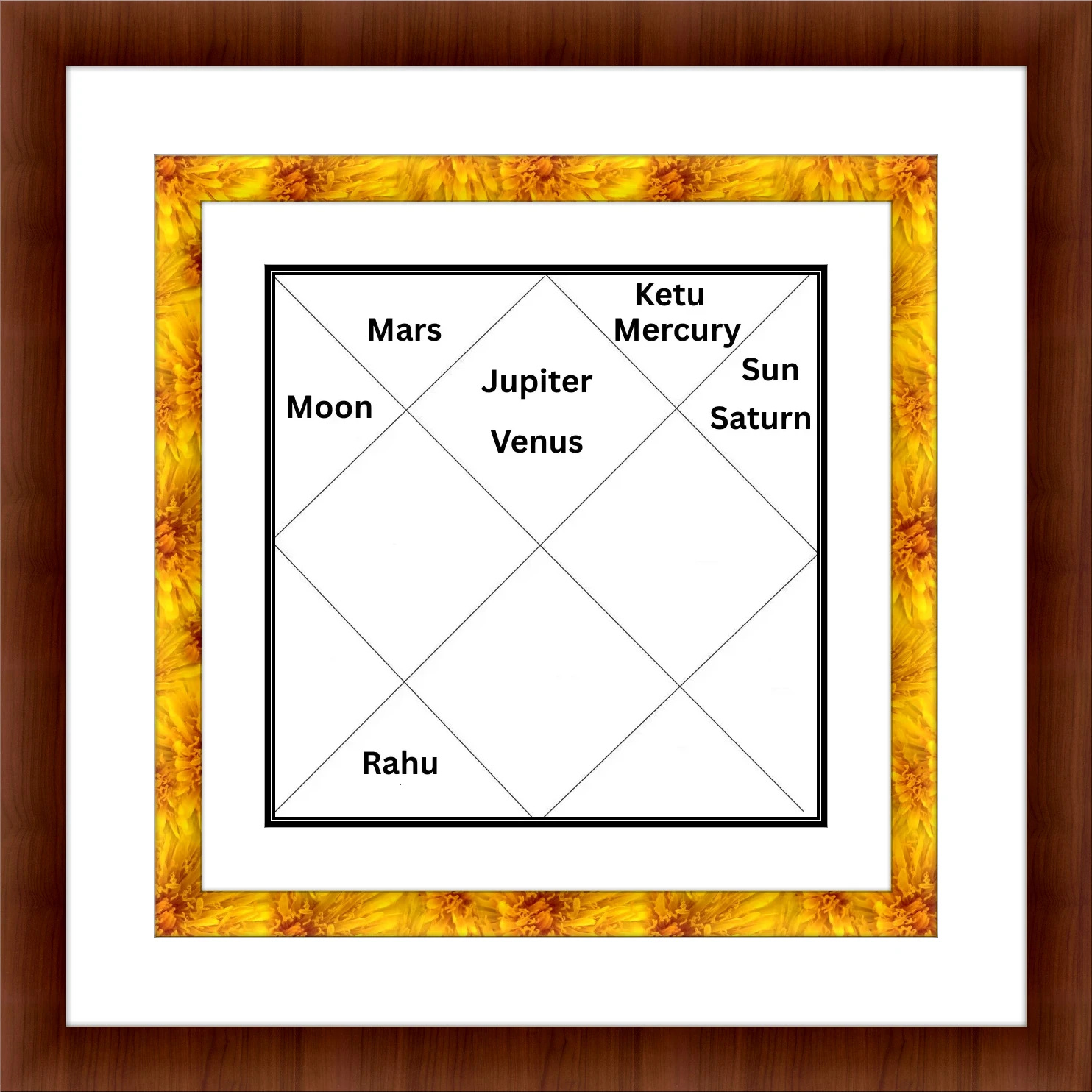
Copyright Disclaimer & Intellectual Property Rights
Copyright © 2025 by Cybersecurity Council, All Rights Reserved
This article represents a unique intellectual creation that combines the timeless wisdom of ancient astrological texts with the author’s original analysis, interpretation, and synthesis. All content— including but not limited to chapter titles, analogies, explanations, conceptual frameworks, illustrations, and commentaries— is the exclusive intellectual property of the author and is protected under the Copyright Act, 1957 (India) and applicable international copyright treaties.
Unauthorized reproduction, adaptation, distribution, or commercial use of any portion of this work, in any format—whether print, digital, audio, video, or social media—is strictly prohibited and constitutes an infringement of intellectual property rights. This includes, but is not limited to:
- Copying or reproducing the core concept, framework, or interpretations in any form (books, articles, videos, presentations, etc.)
- Using the analogies, examples, or content for teaching, training, or promotional purposes without written permission
- Sharing, re-posting, translating, or modifying the material without proper attribution and prior approval
Violations will invite appropriate legal action, penalties, or take-down notices in accordance with Indian IP law and international digital rights enforcement protocols.
Let us together promote a secure, ethical, and enlightened digital Bharat.